All Posts By

Healthy Mothers Healthy Babies

7th Annual Perinatal Mental Health Conference Recap

By Community, Community Support, Maternal Mental Health, Perinatal Substance Use Disorders, Self-care

The HMHB team is grateful for the opportunity to reflect on the 7th Annual Perinatal Mental Health Conference. Returning to in-person convening, we valued the chance to connect face-to-face with participants, speakers, partners, exhibitors, and sponsors. We also enjoyed moments of virtual connection and were thankful to balance in-person and online options for people working across the state of Montana to support perinatal mental health. Our heartfelt thanks go to everyone who gathered in person or online to make this event meaningful.

Perinatal Mental Health 101

The conference kicked off in September with two bonus Perinatal Mental Health 101 sessions led by Dr. Samantha Greenberg. These foundational sessions provided valuable insights for individuals new to the perinatal mental health field or those looking to deepen their understanding of the basics. Dr. Greenberg’s content remains accessible to all on the HMHB website.

 In-Person Conference

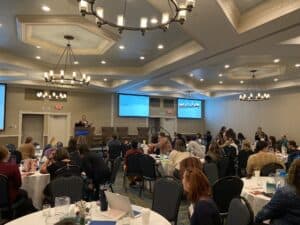
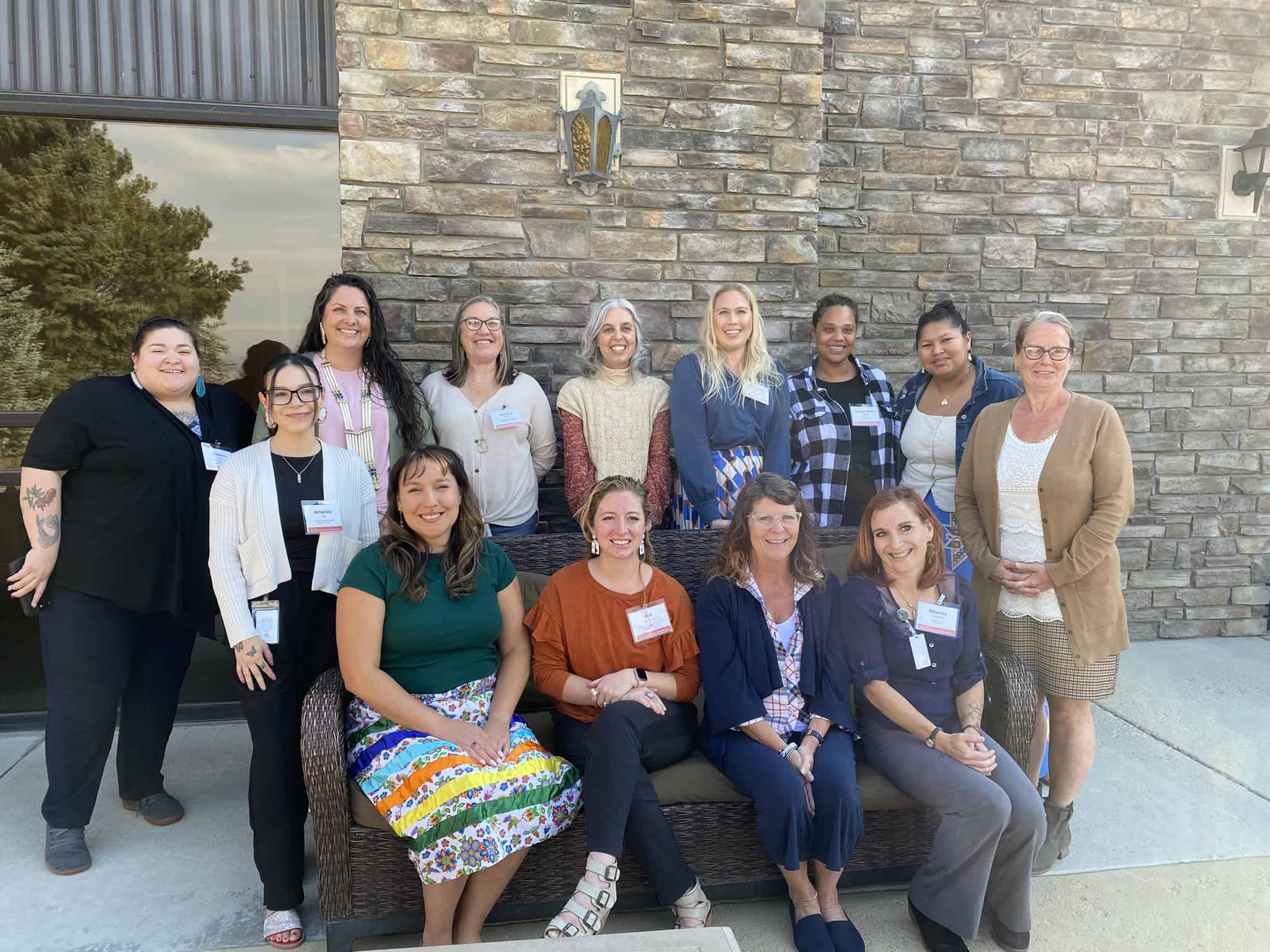
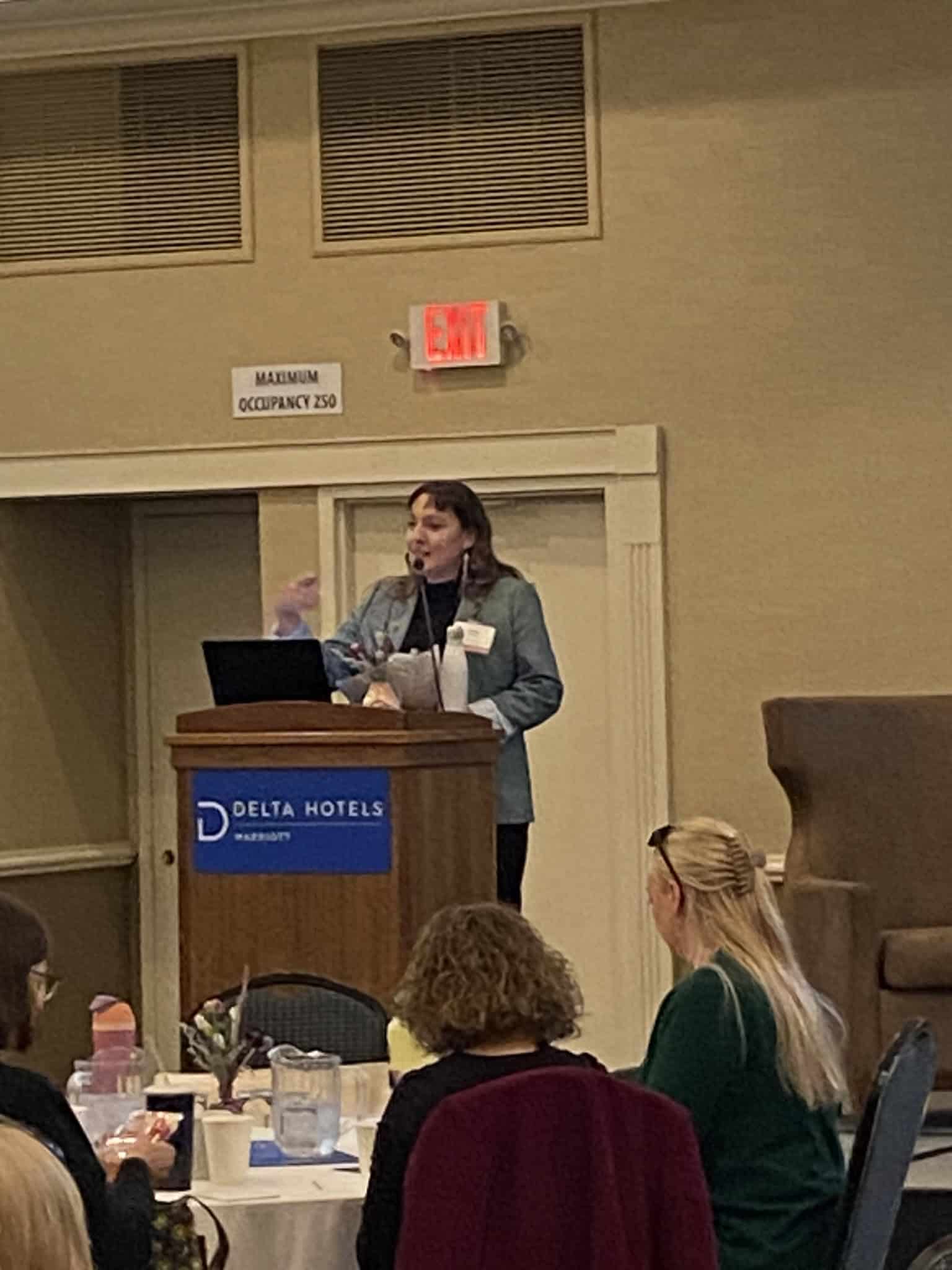
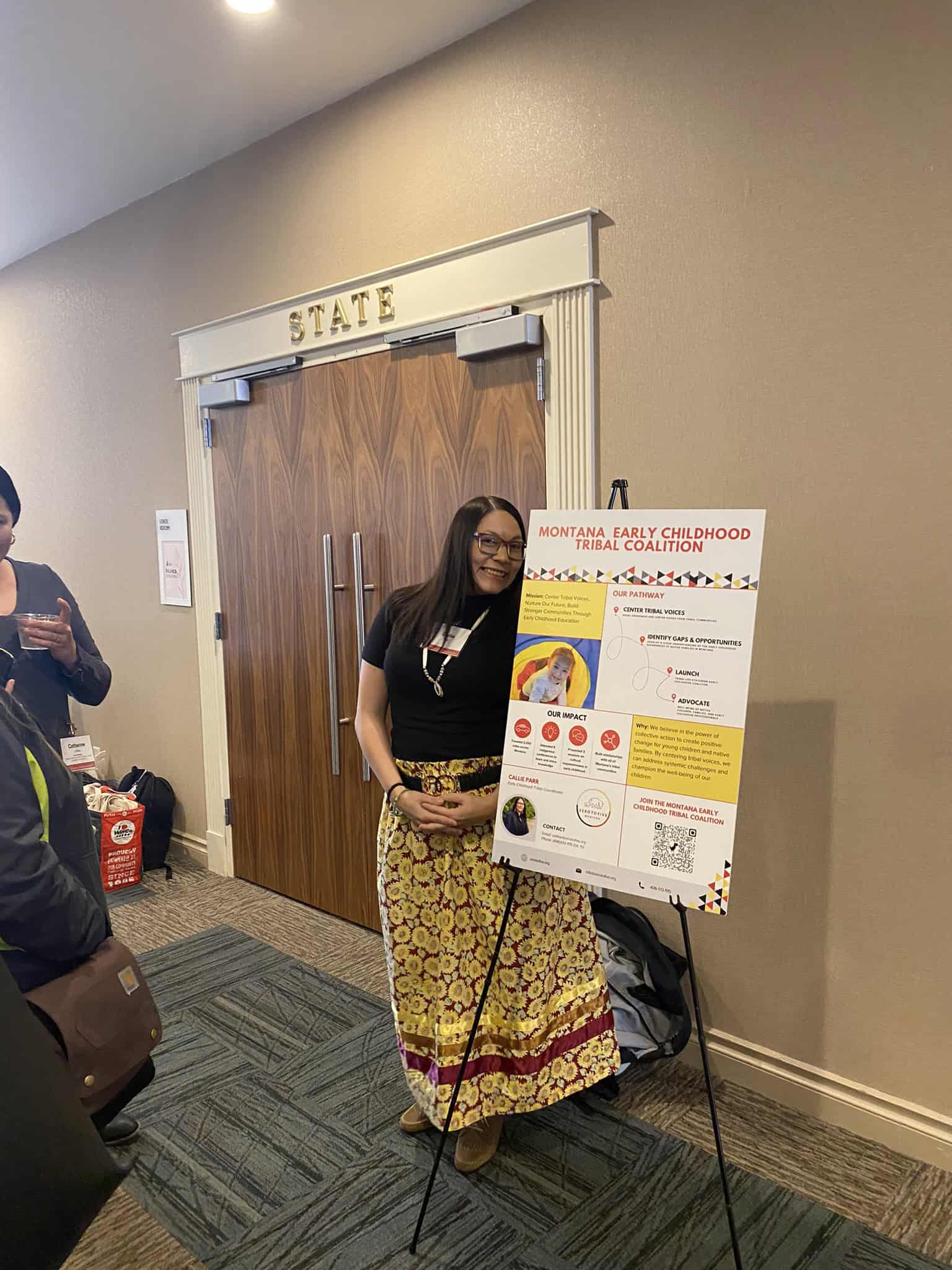
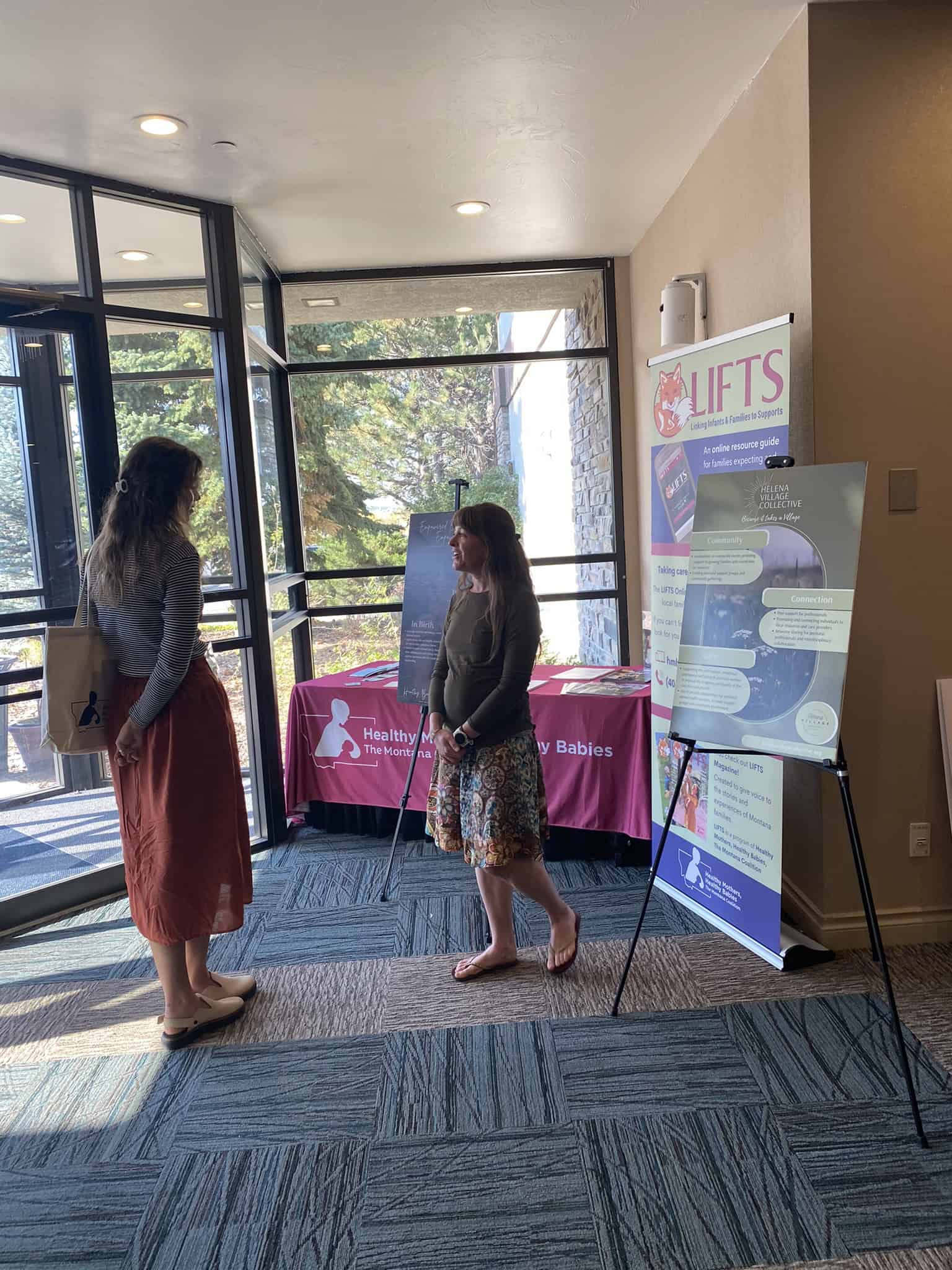
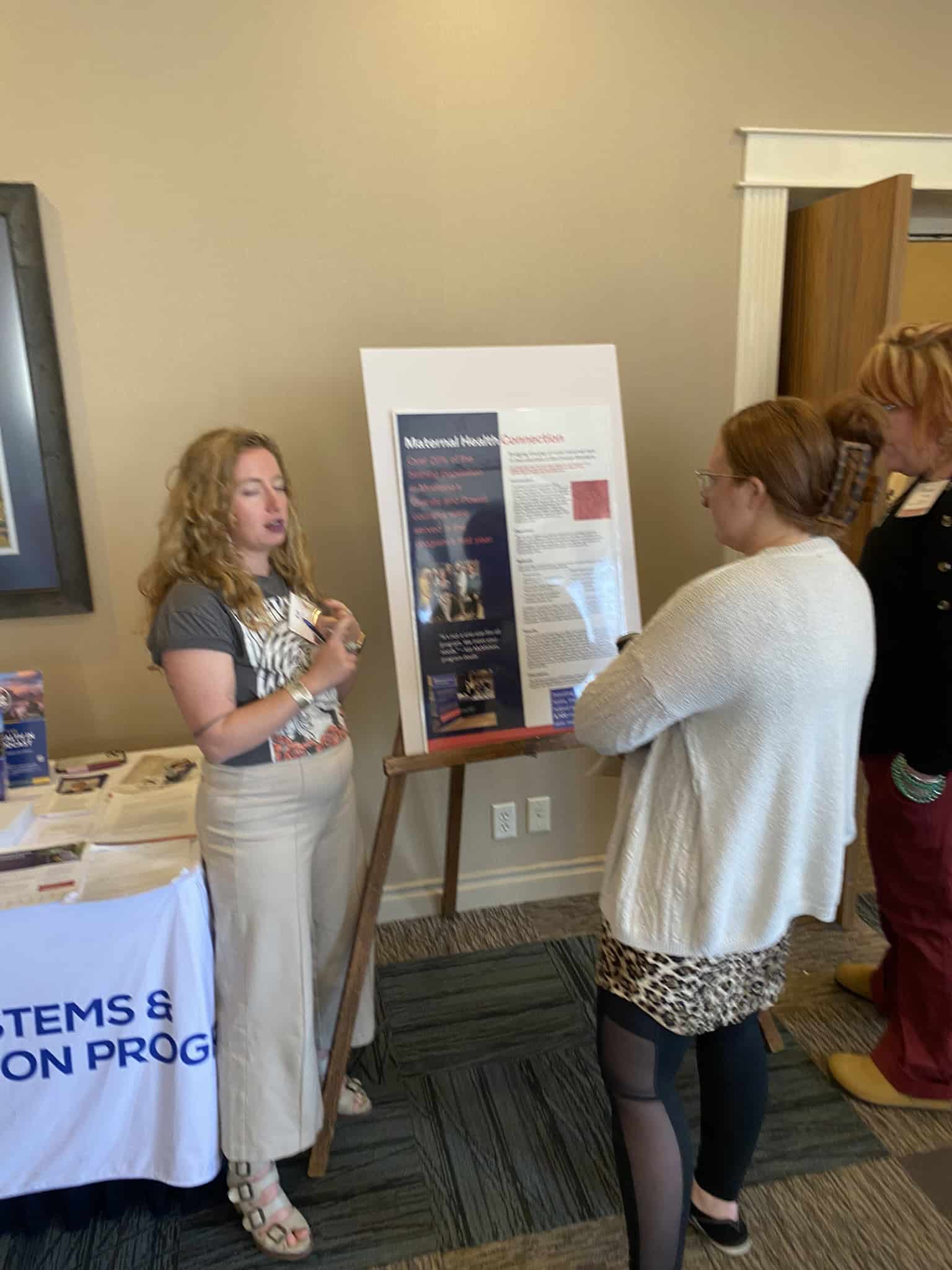
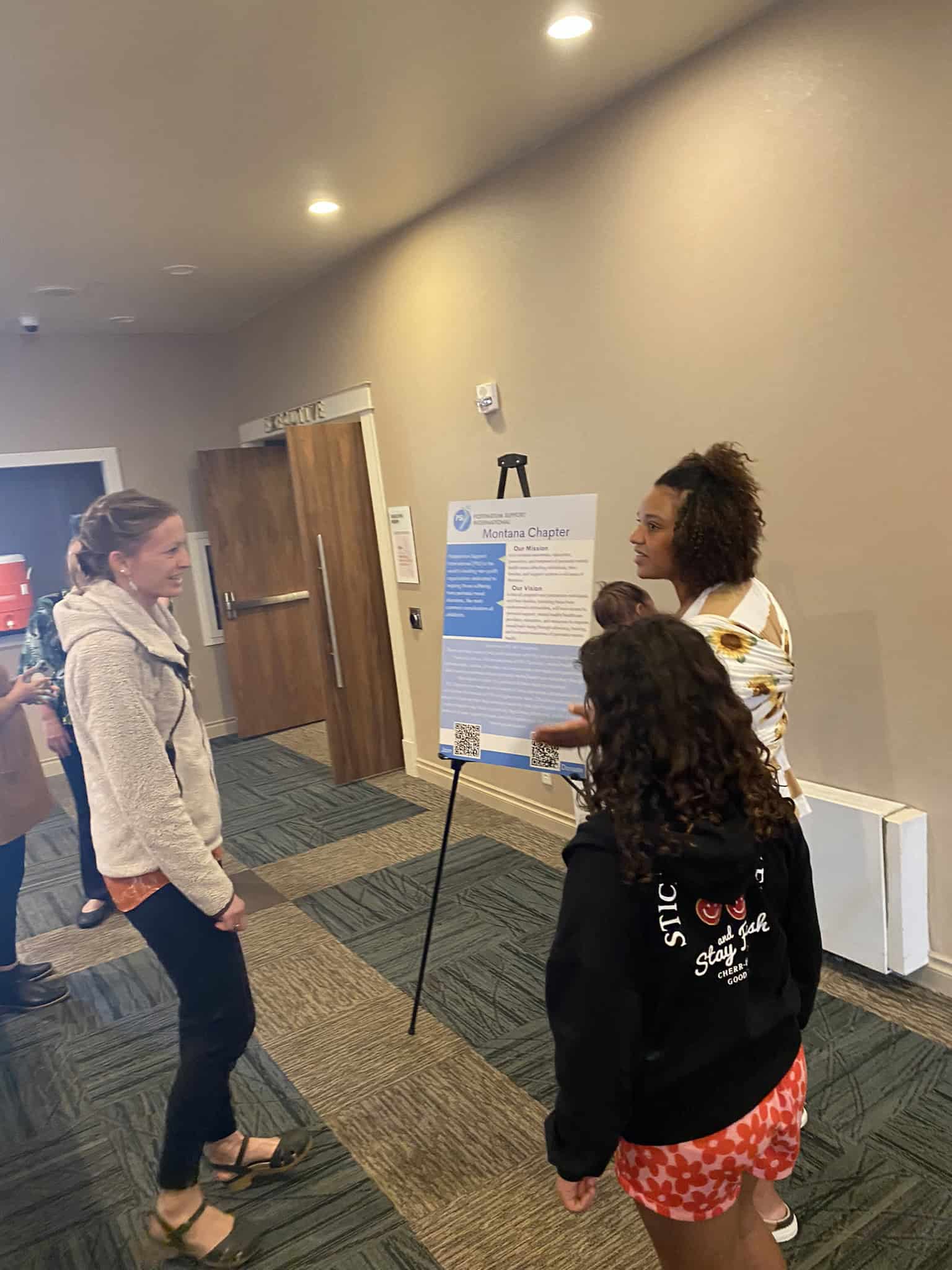
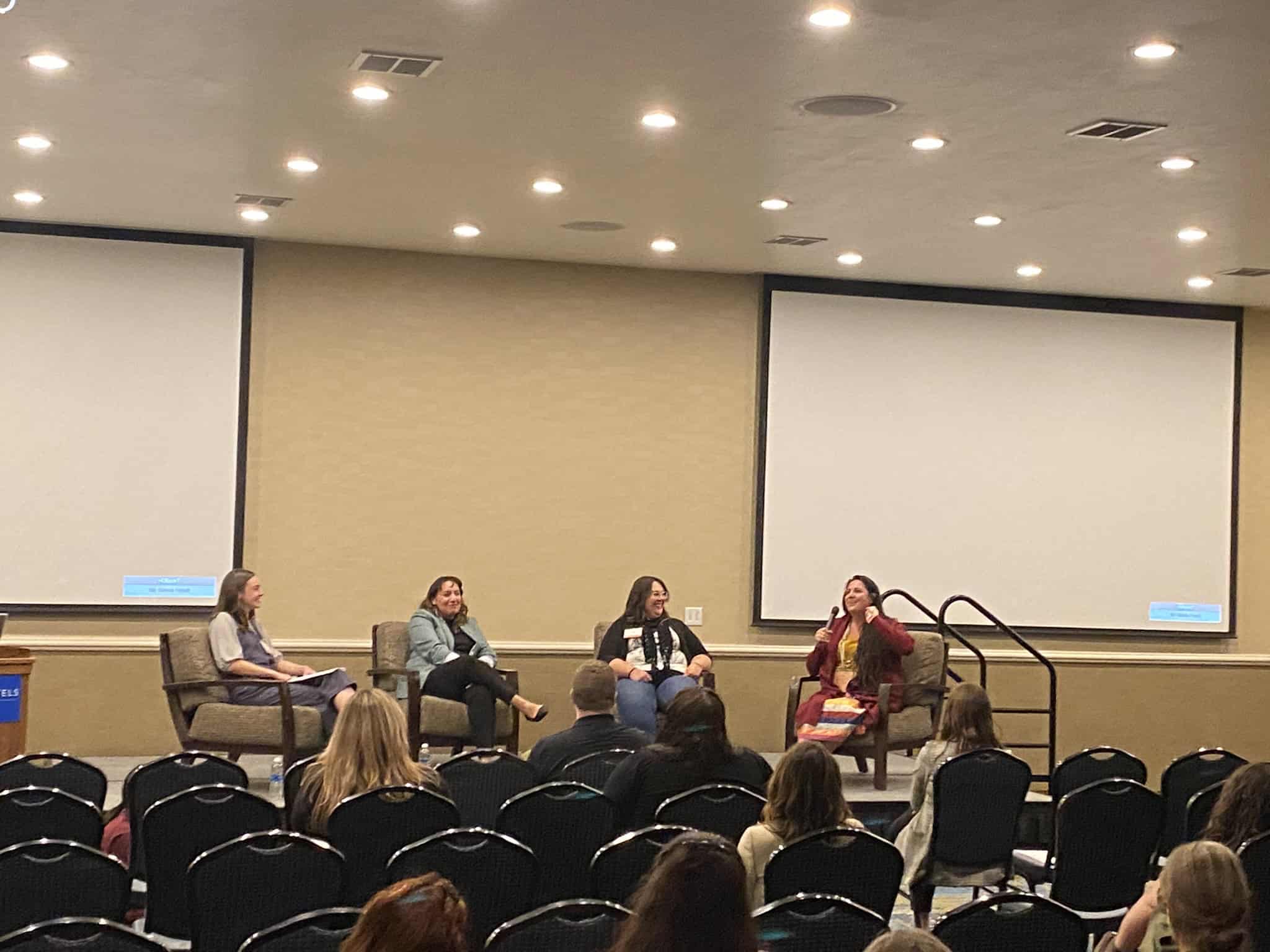
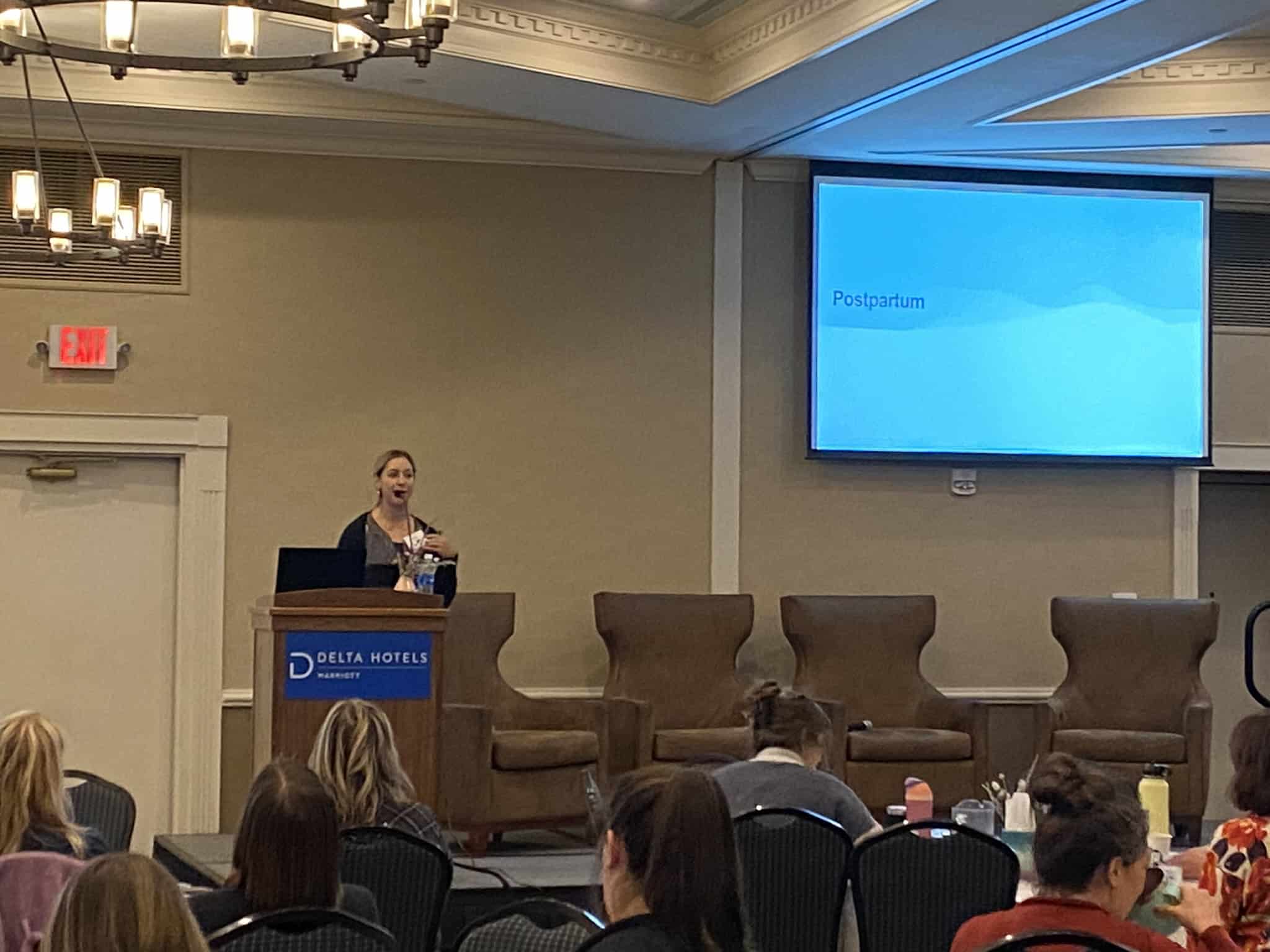
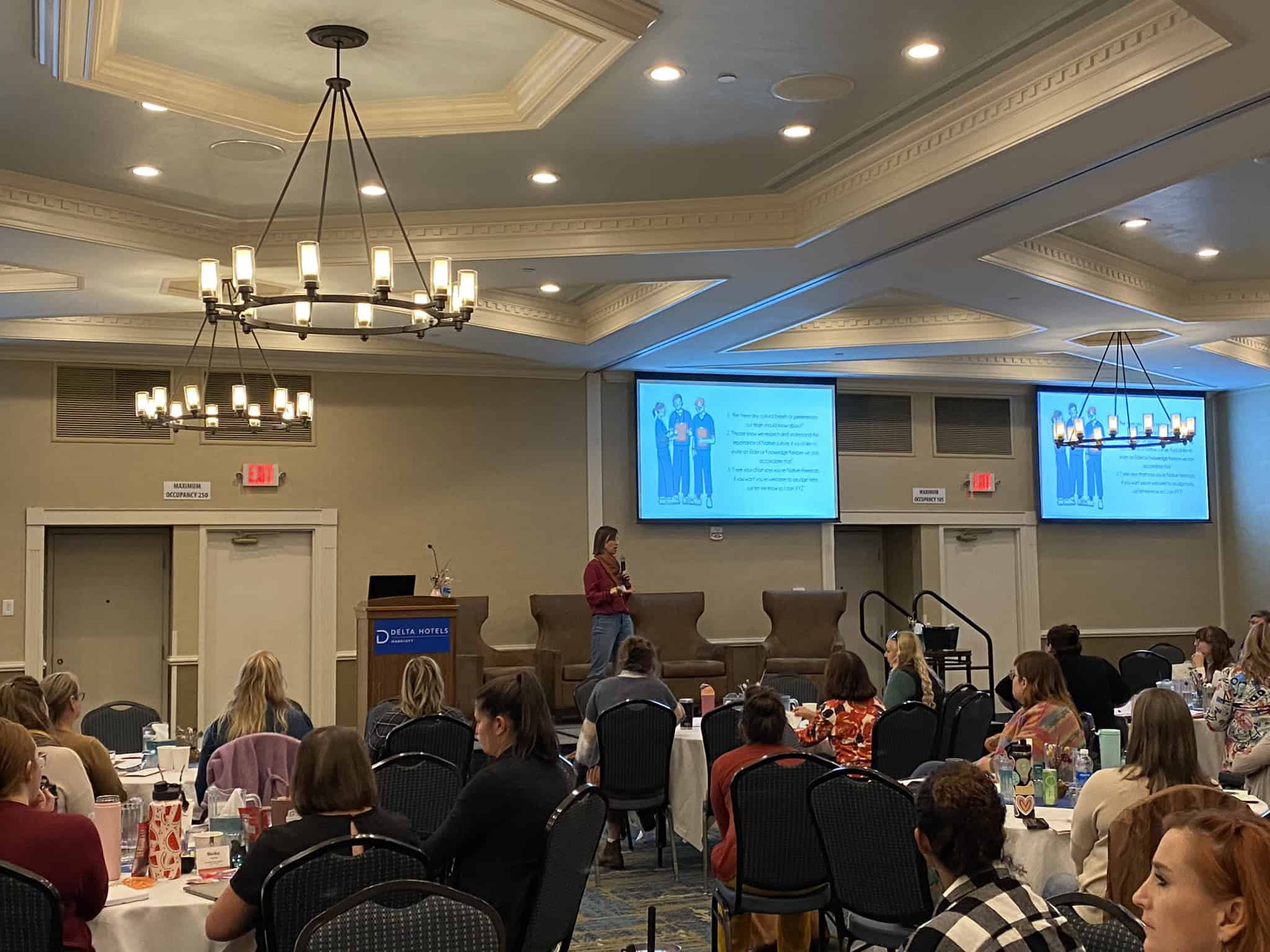
On October 15-16, the in-person conference was held at the Delta Colonial Hotel in Helena, MT, where over 150 attendees joined for learning, connection, and sharing. Presenters thoughtfully crafted sessions on topics ranging from lived experiences in perinatal mental health to doula work and pelvic floor health. We are deeply thankful for the panelists who kindly shared their insights, lived experiences, and expertise. In a community engagement poster session, twelve groups from across Montana shared about their impactful, community-based work supporting perinatal mental health.

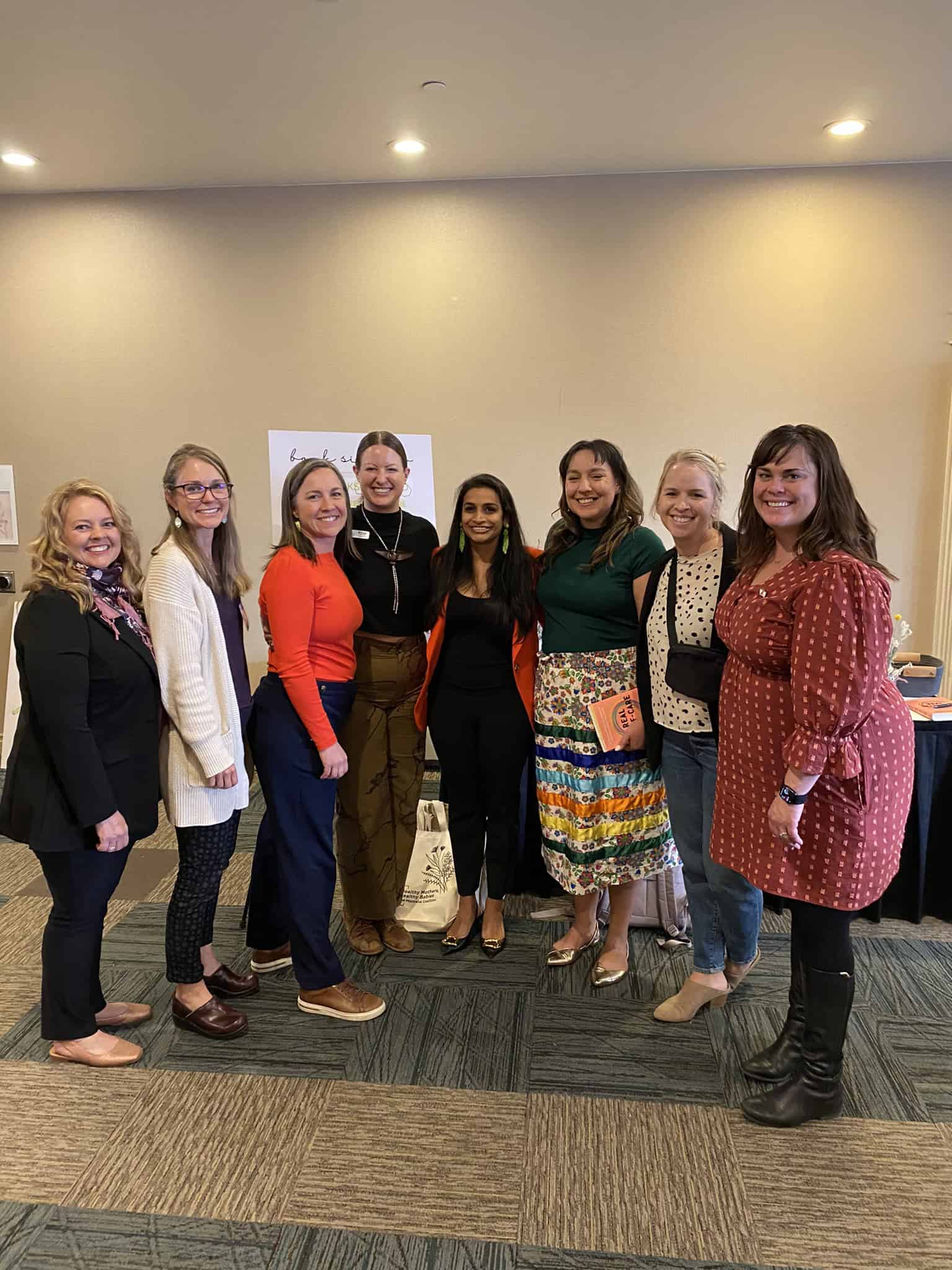
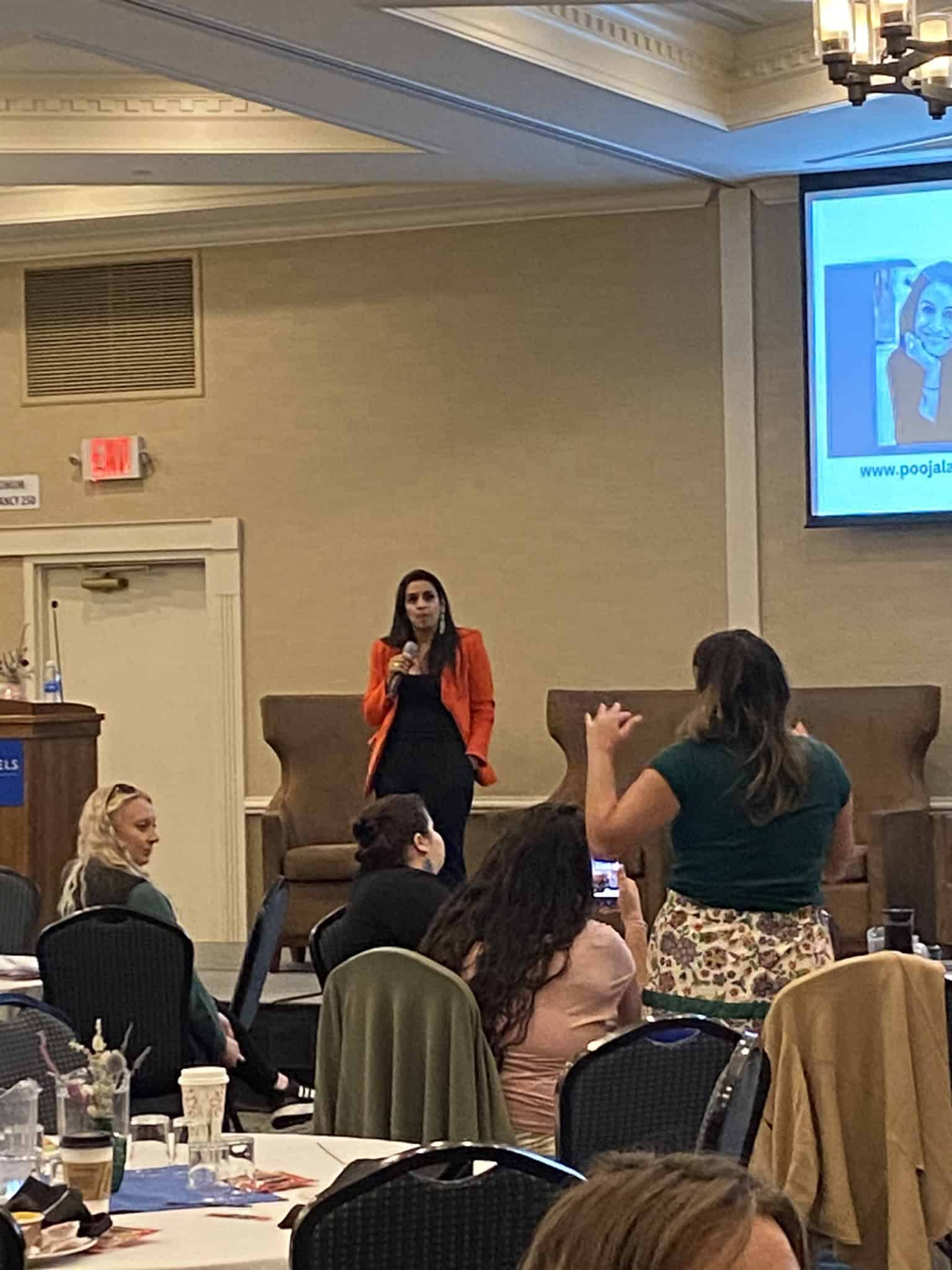
Keynote speaker, Dr. Pooja Lakshmin, offered insights on Real Self-Care from her bestselling book—a reminder of the importance of self-care for those dedicated to caring for others.

Another memorable moment was the screening of the documentary film SILOED, followed by a panel led by Director Hazel Cramer. This discussion covered the journey of making the film and thoughtful (and sometimes funny!) conversations among participants surrounding mental health.

 Virtual Advanced Training Sessions

Two days of virtual learning took place on October 22 and 24, covering Perinatal Substance Use and Perinatal Nutrition. These sessions featured local and national experts, allowing attendees to continue engaging and connecting through our virtual platform, Whova. You can explore the full conference agenda here.

 We Can’t Wait for Next Year!

We are already excited to start planning our 8th Annual Perinatal Mental Health Conference! To stay updated on next year’s conference dates and content, please subscribe to the HMHB newsletter or follow us on Facebook and Instagram.

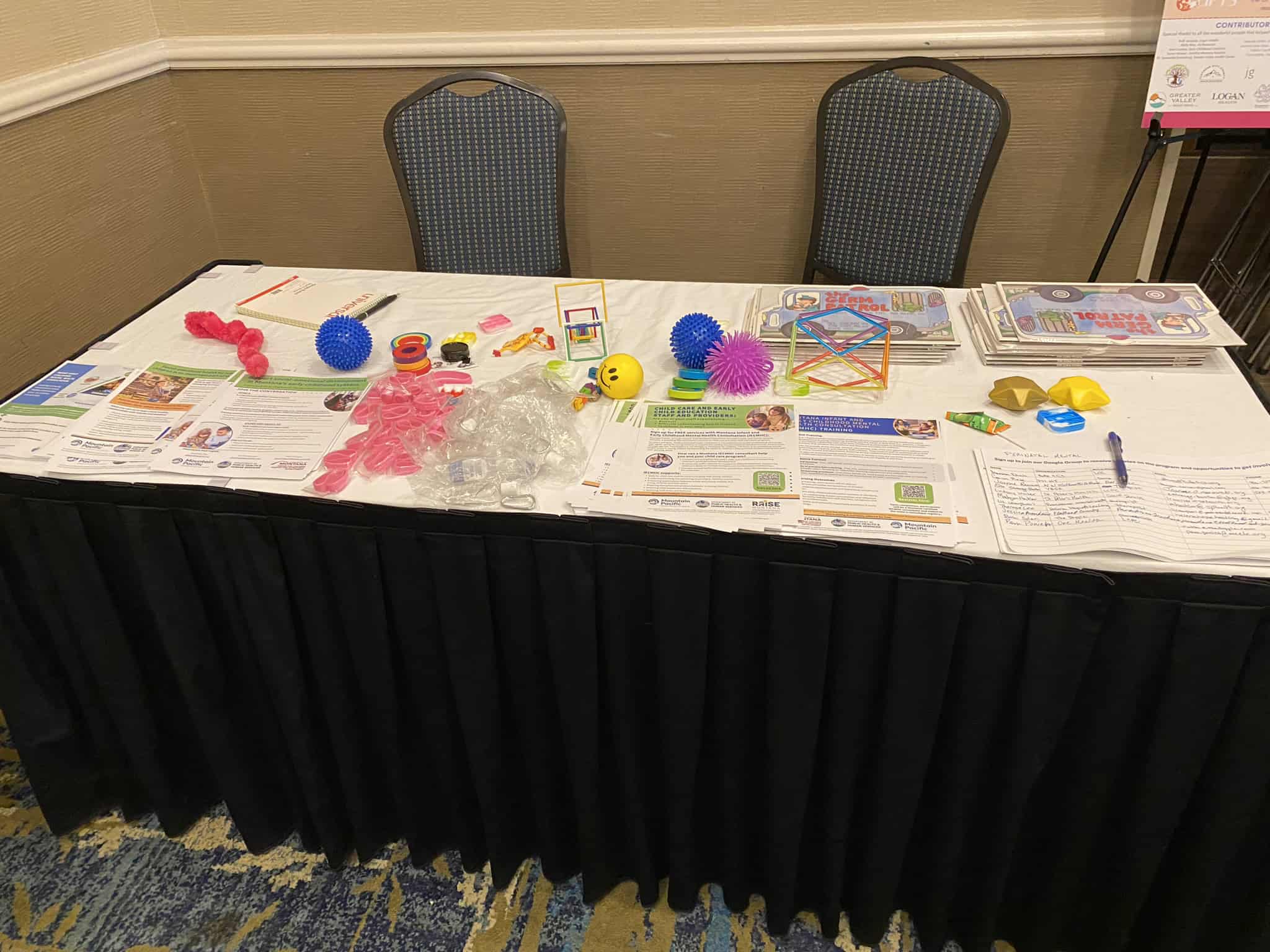
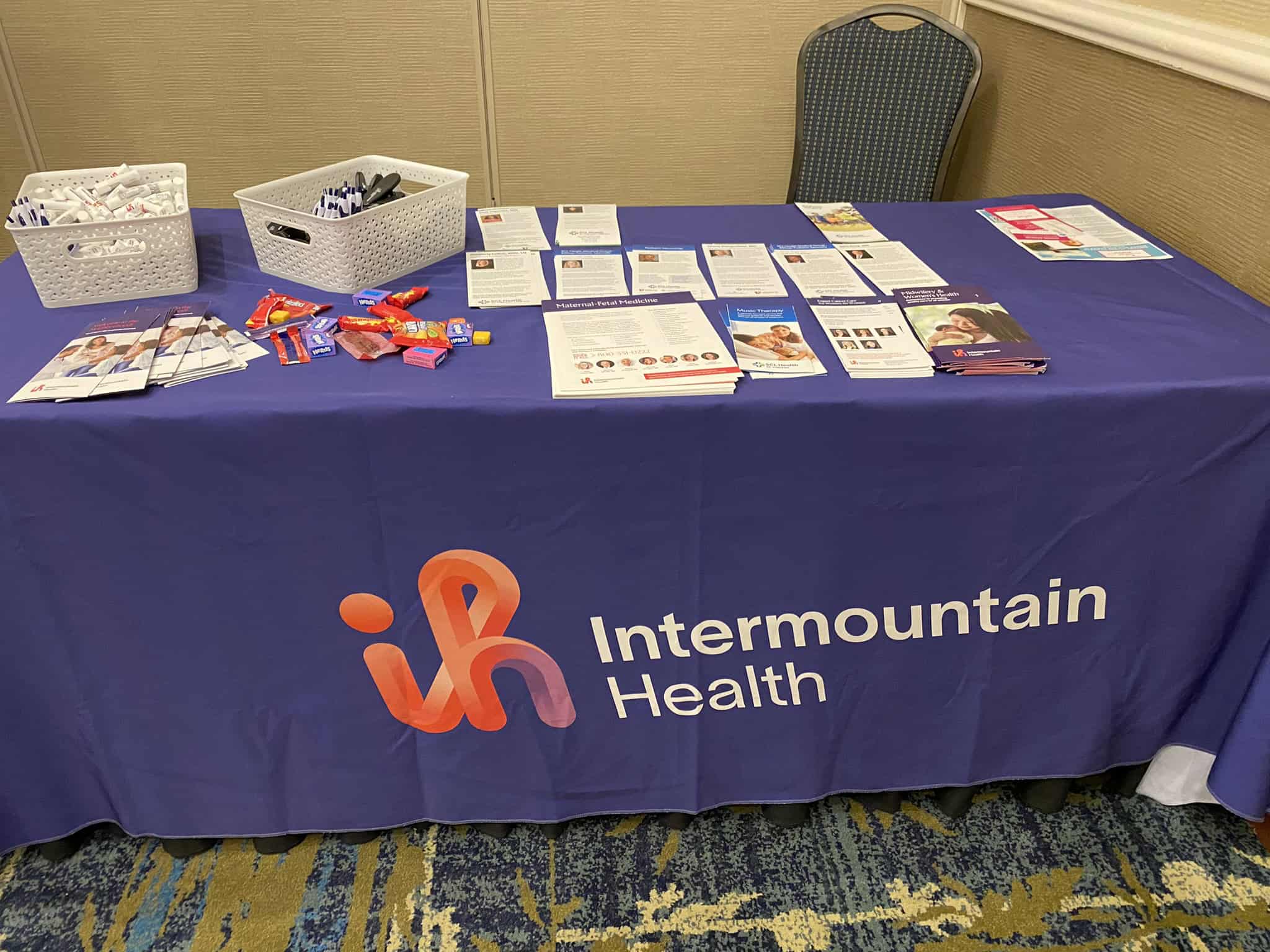
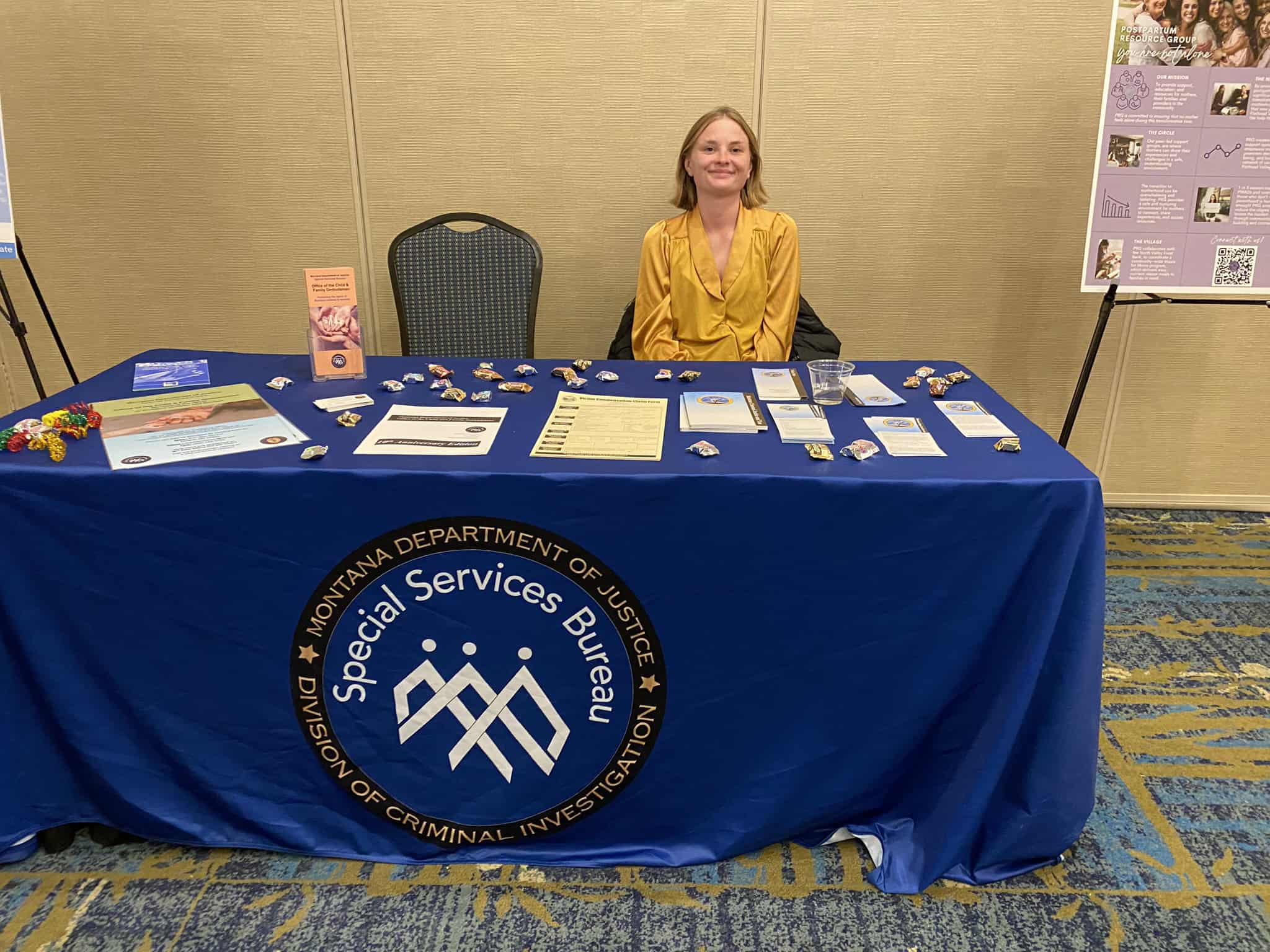
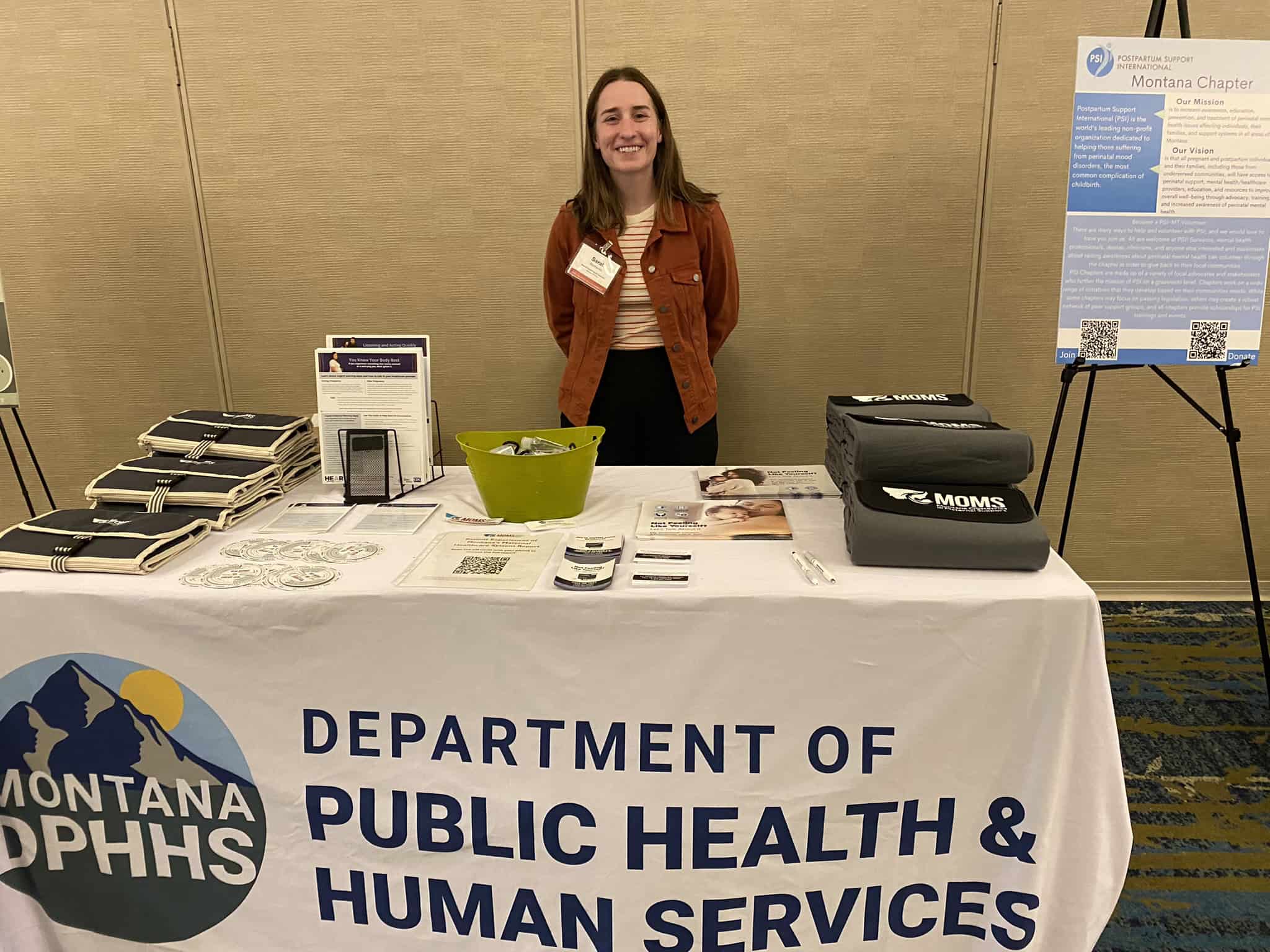
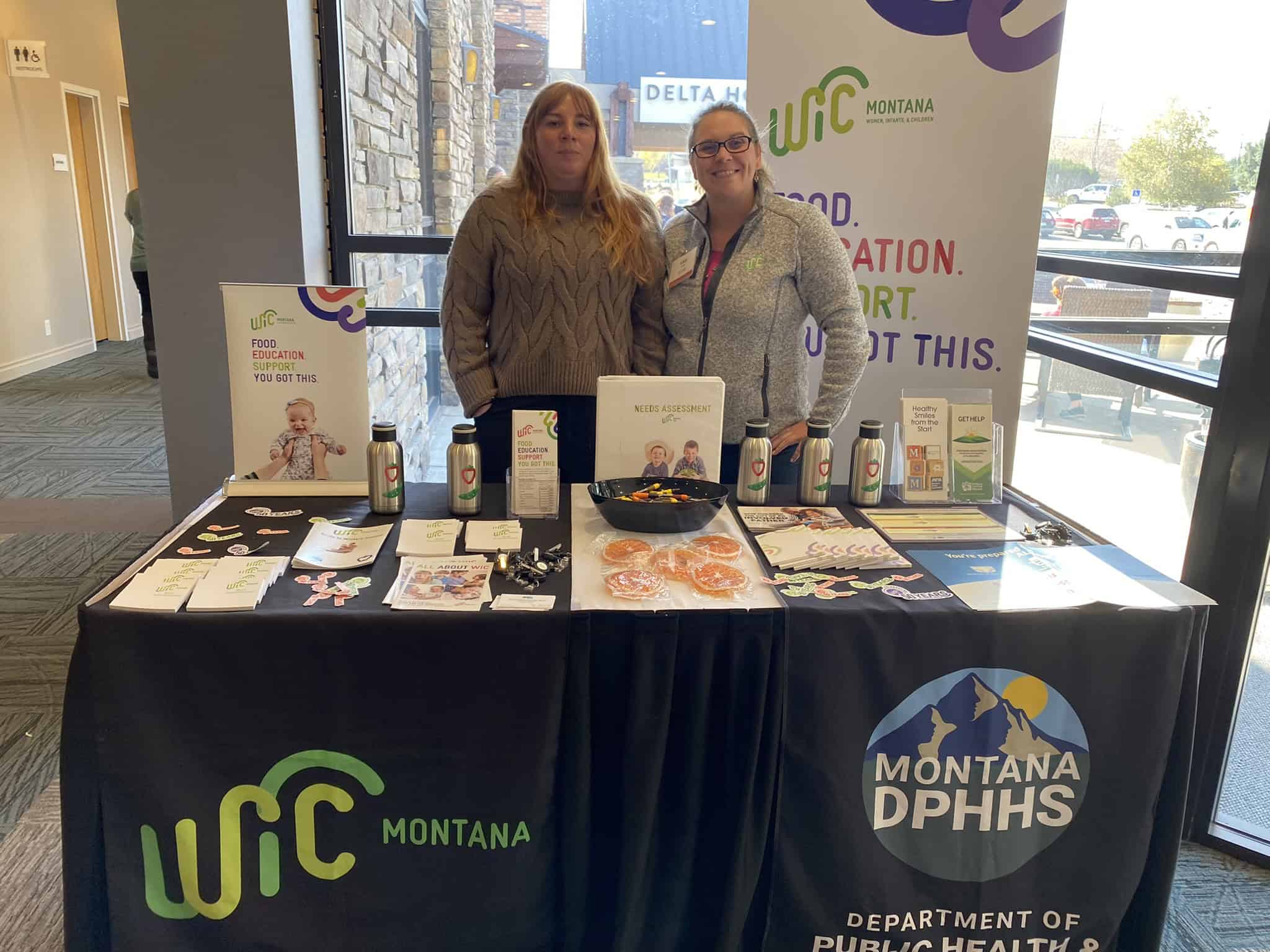
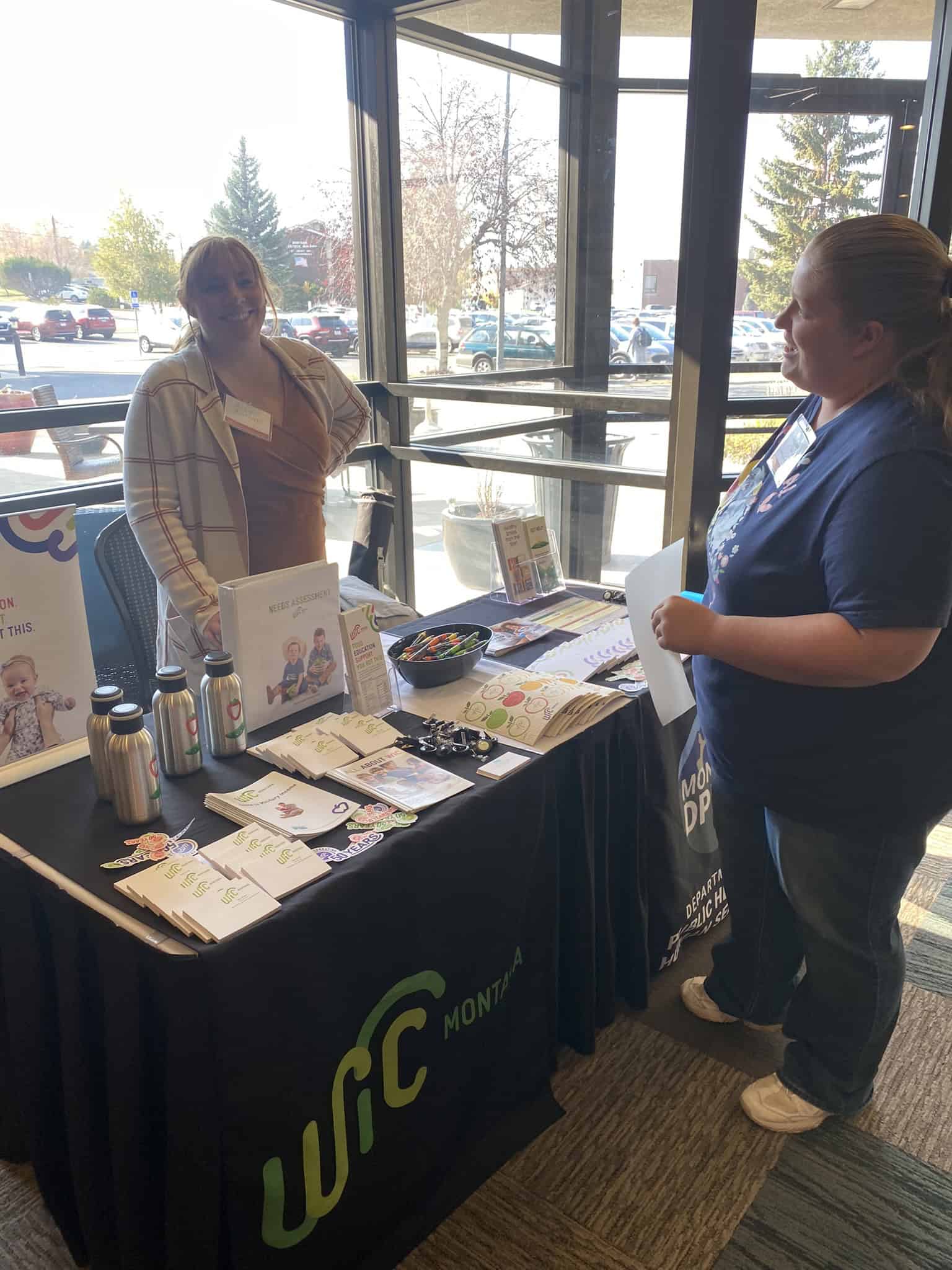
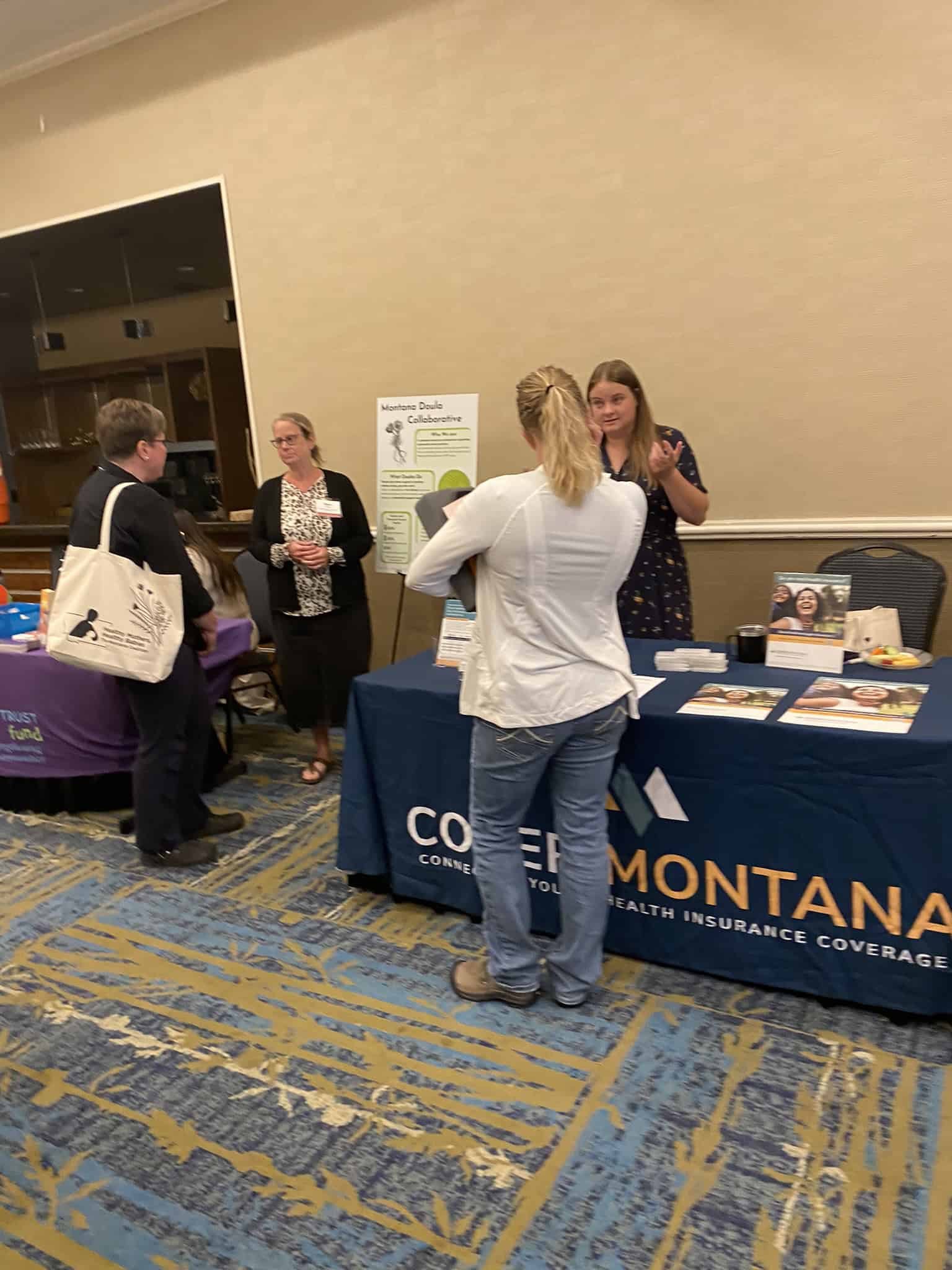
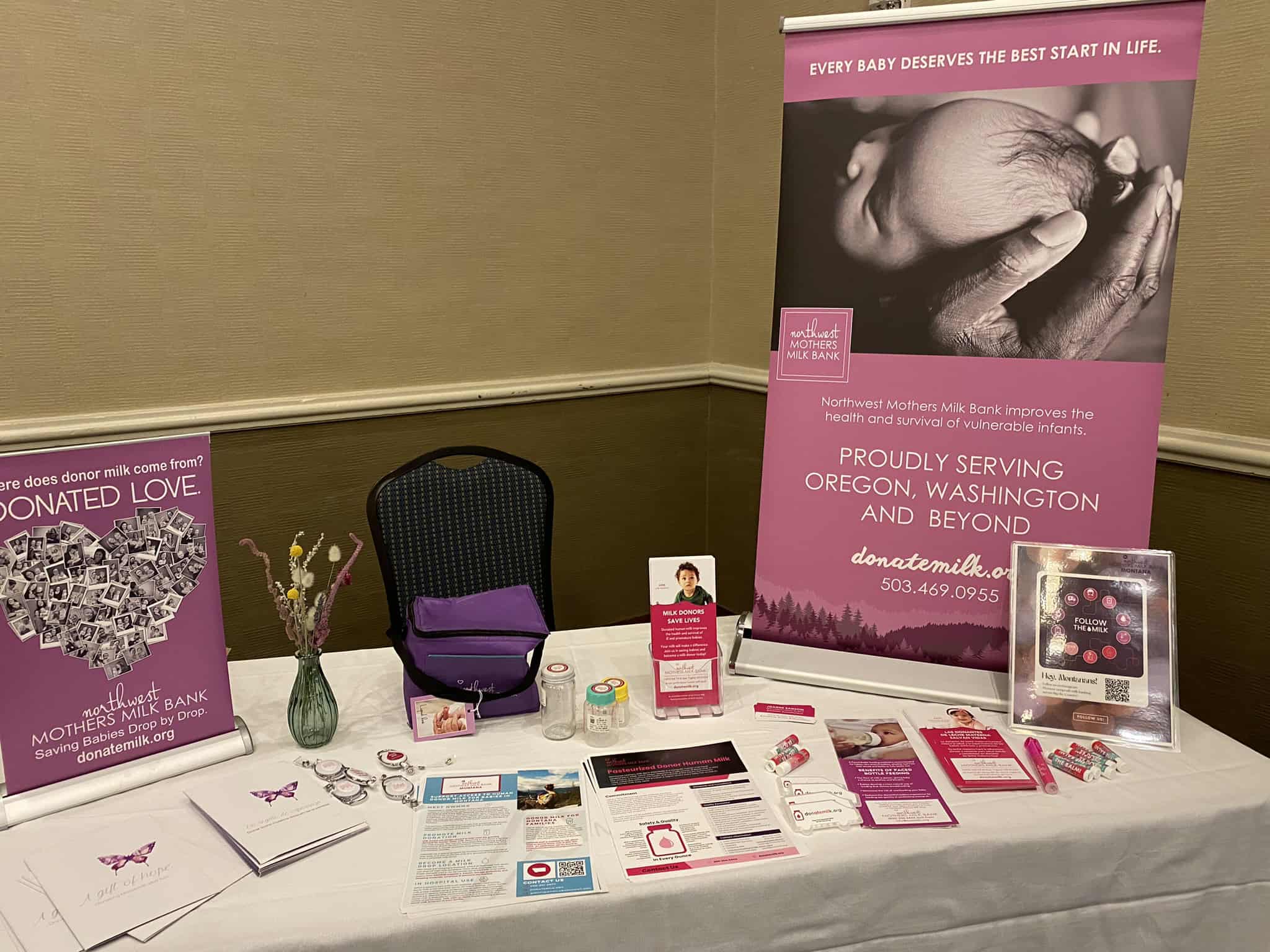
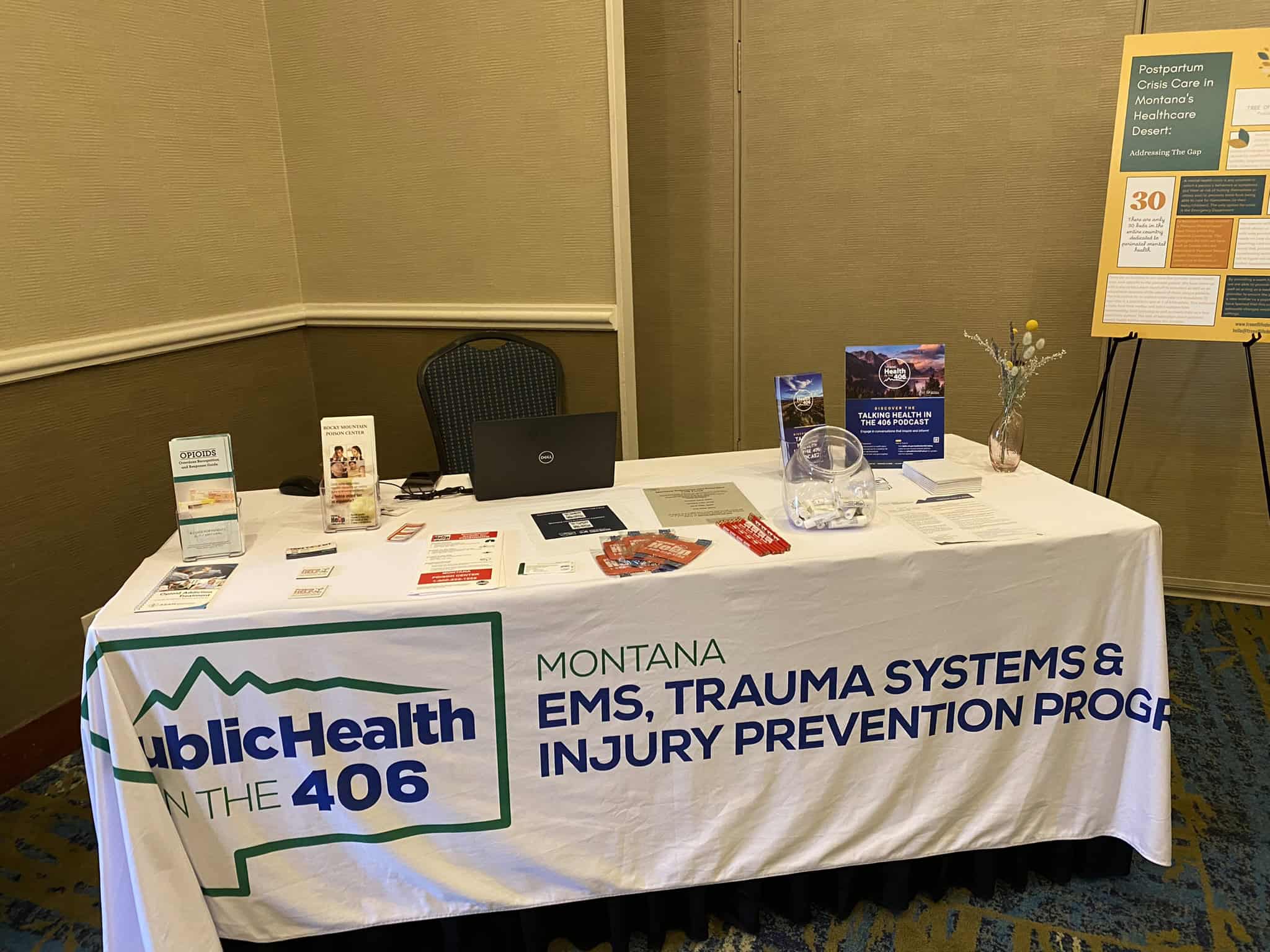
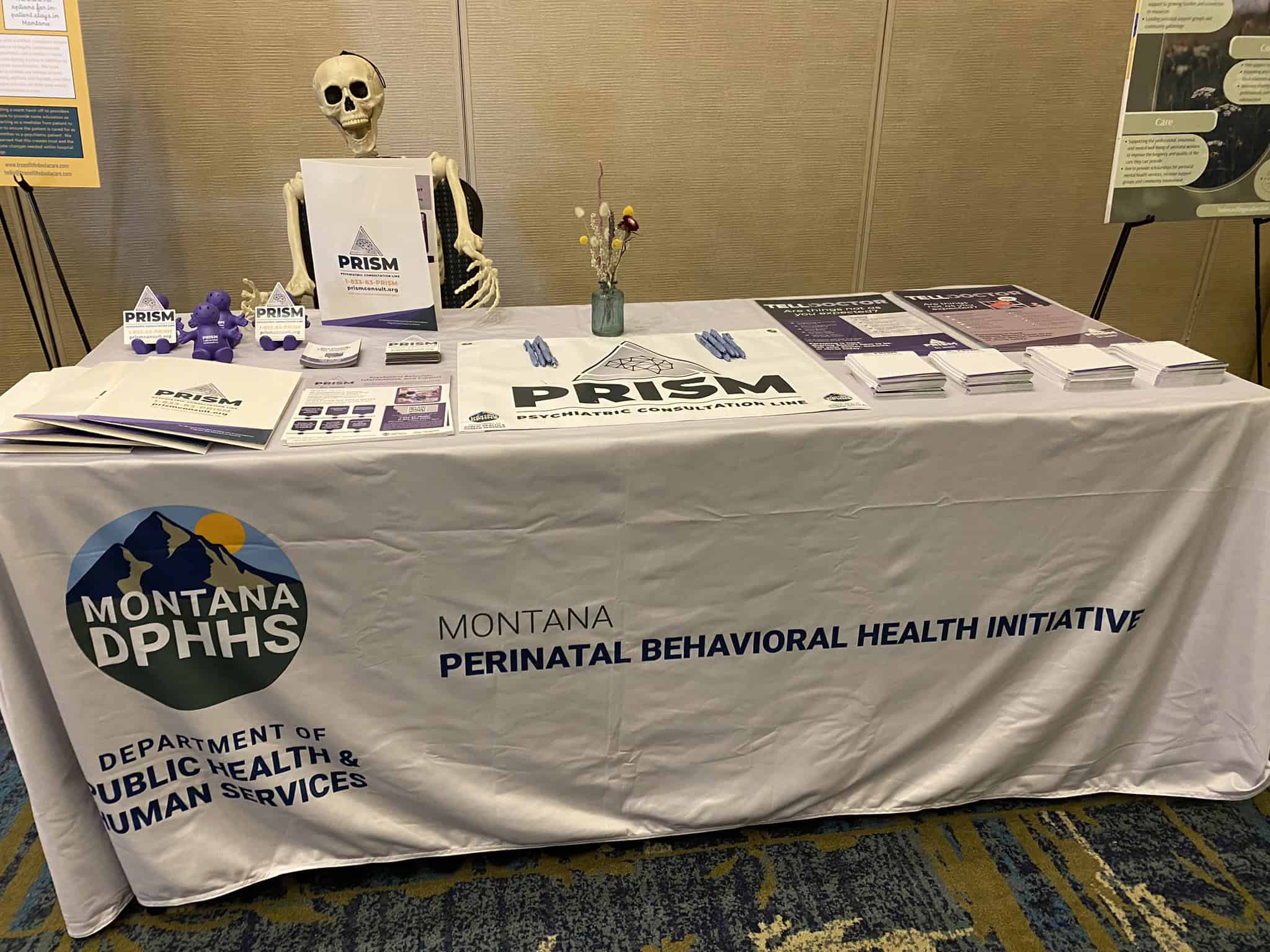
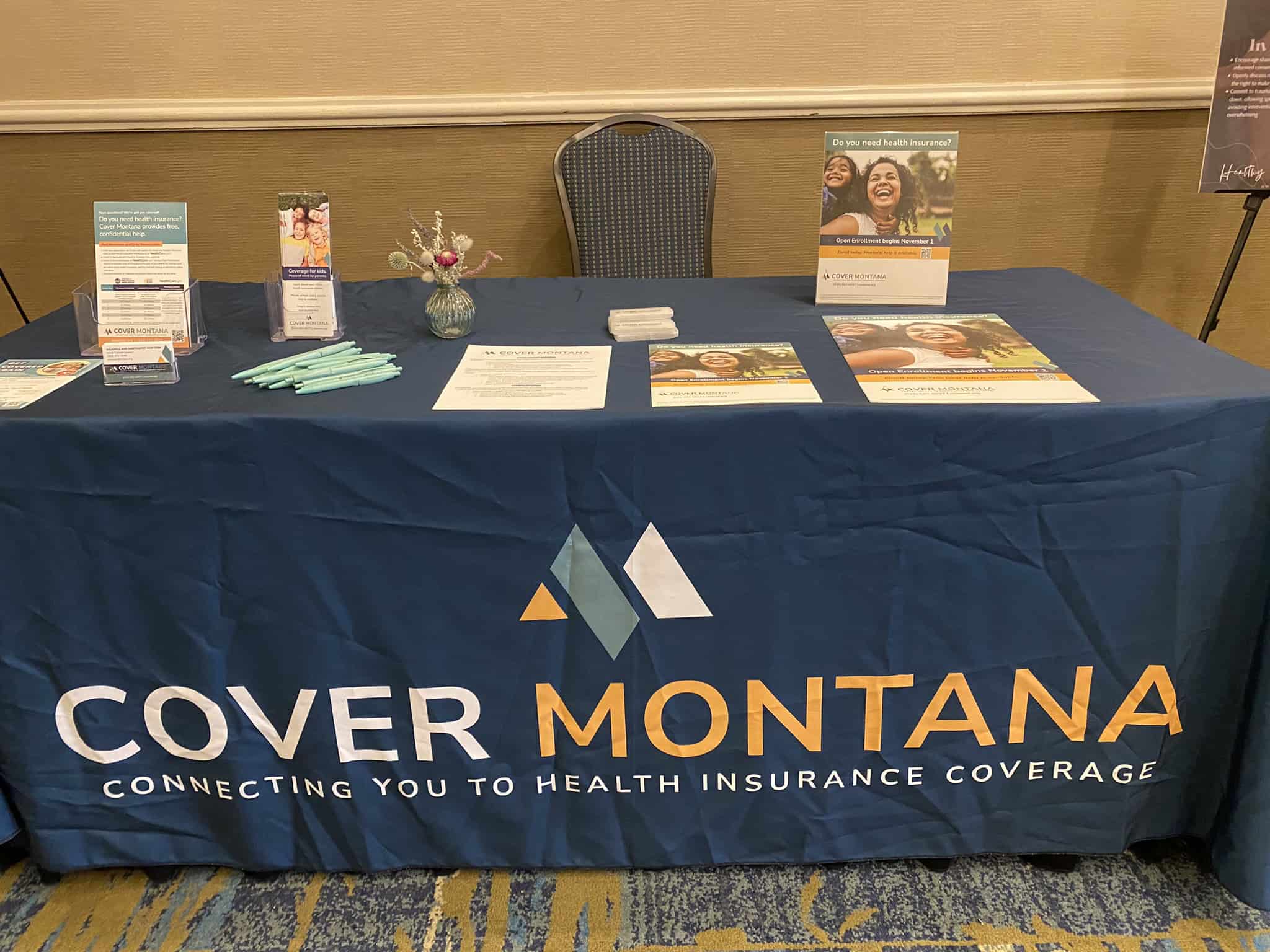
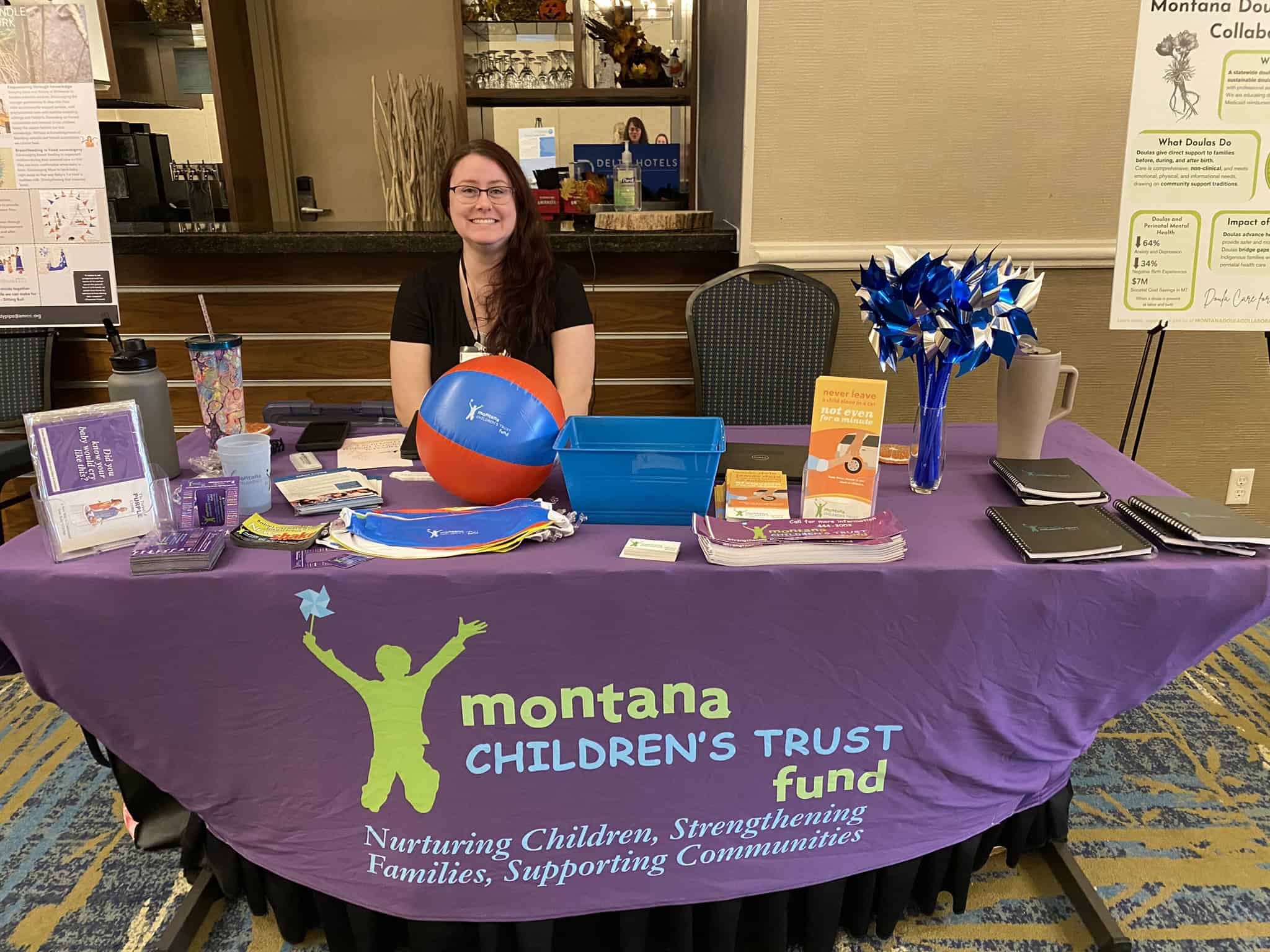
 Thanks to Exhibitors!

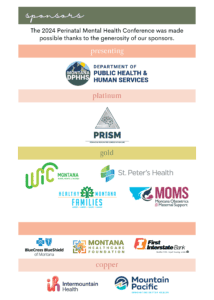
Thanks to Sponsors!

pmhc SPONSORS

Thanks to Our Event Manager!

We also wanted to share our gratitude for our amazing Event Manager, Anna Strange. This event wouldn’t have been the same without her kindness, creativity and attention to detail.

We are grateful to all who participated for their support and contributions to this event!

Building Confidence for New Parents Through Home Visiting

By advocacy, Caregiving, Home Visiting

This is a featured article from our 4nd edition of the LIFTS Magazine.  

As told by: Shelby Gustin and Chaz Gustin

 

SHELBY:

I learned about home visiting after my son was born. I was at my first WIC appointment, and the home visiting program was based in the same public health office. I was kind of anxious about being a new mom, and was a stay-at-home mom at the time, so I didn’t really have a lot of people to talk to. I was looking for guidance and advice, but also needed some social interaction myself. The first visit was nerve wracking – I’m a new mom, I have a three-week old baby, and I don’t know what I’m doing. Towards the end of the visit I felt a lot more relaxed, a lot more comfortable, and more open to the program.


The frequency of visits depended on how comfortable I felt with my son, and where he was at, developmentally – they base it on your child’s needs, as well as your own. At first, I was really worried that I wasn’t interactive enough, that I wasn’t helping my son reach his milestones, especially at a younger age. The home visitor came and was very reassuring. She told me: “He’s ahead of where he should be, and he’s doing great, and you’re doing great.”


This program is not just for the babies, they have a lot of resources for the mothers and fathers. If you need to see a therapist, they can bring you a list of providers; if you just need to vent, they can sit there and listen. They’re very supportive. There was a visit where the house was a mess, and I was hurrying up and cleaning, and we were able to do the home visit while she helped me pick up.


I think that all new moms would benefit from home visiting. I’m pregnant with my second now, and I still want to keep doing the program. I definitely think it’s for everyone if they’re interested in it. It’s awesome. One of the best decisions that I made as a new mom was getting into this program.


CHAZ:

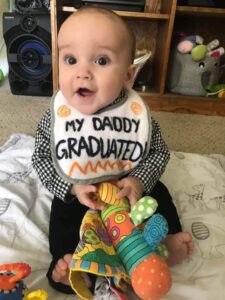
We had Greyson when I was a student in high school. There were times when I didn’t want to go to school, but with the help of Shelby, and my aunt, I was able to fully go to my classes and stay knowledgeable and do my homework. Greyson was there at my graduation, as a little man, just a couple months old. It was so awesome. Eventually, I want to go to college.

 

We had a lady from WIC who talked to us about the Parents as Teachers Home Visiting Program, and it felt like a great opportunity. I was grateful to have somebody that cared. We had this nice lady come in and teach us all about our child and his development. There were times where I was at work, and Shelby would let me know how the home visit time was spent. But when I’m able to be there, I try to be present, and get all the information I can, because it really is beneficial to our son’s growth.


I have a friend who just had a baby, and I was talking to him about home visiting. His girlfriend was really interested, because he’s busy with work. Next time I see him, I’m going to bring it up and just let him know how important it is for kids and for the parents, as well.


My advice to new dads is to be patient, and don’t be too hard on yourself. You’re still new to being a parent. You’ve just got to try your best and keep doing things day by day. It all comes together in the end if you work for it.


Frequently Asked Questions About Home Visiting


What is a home visiting program and how can it benefit my family?

Home visiting is a voluntary, proven support and coaching service that strengthens families through pregnancy and early childhood. Trained home visitors, such as nurses and early childhood specialists, work with expecting parents and caregivers of young children, to build parenting skills and connect families with needed services to support optimal physical, social, and emotional child development.


Who can participate in a home visiting program?

Eligibility for home visiting programs varies by program, but some are available regardless of income or background. Currently, not all areas in Montana have the same access to home visiting programs, but statewide work is being done to change this!


Can both parents participate in the visits?

Absolutely! Home visiting programs encourage the involvement of both parents. Mom, dad, grandparents, siblings and any caregiver who is important in the child’s life are usually welcome to participate!


How do I sign up for a home visiting program?

The best way to sign up for home visiting is to reach out to a local program near you.  You can use the LIFTS Online Resource Guide (hmhb-lifts.org) to find home visiting sites across Montana by typing in “home visiting” in the Search feature. If you have trouble locating one, please call the LIFTS Warmline (406)430-9100 for assistance.


What happens during a home visit?

During a home visit, the visitor will provide personalized support based on your family’s needs to increase your competence and confidence in parenting. This may include discussing your child’s development, answering parenting questions, providing lactation support, offering health and safety tips, and connecting you with community resources.


Is there a cost to participate in a home visiting program?

Most home visiting programs are offered at no cost to families. They are often funded by state or federal programs, non-profits, or community organizations.


What if I’m not able to have someone visit my home or I don’t have a home?

Home visiting programs are designed to be supportive and non-intrusive. If you have concerns, you can discuss them with the program coordinator to find a solution that works for you, such as virtual visits or meetings in community spaces like a library or coffee shop.


Will the program help with special needs or high-risk situations?

Yes. Home visitors are trained to support families in various situations, including those with special needs or who are experiencing high-risk circumstances. They can connect you with additional support and services as needed, such as medical case management by nurses for medically fragile children.
Visit hmhb-lifts.org for local resources using the search terms “Family Support & Education”, “Food and Nutrition Supports”, and “Public Benefits Enrollment”.  You can also visit hmhb-mt.org/homevisiting to learn more.

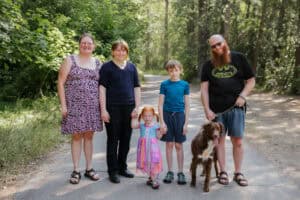
Photo Credit: Max Stiles (family portrait), Shelby Gustin (graduation pic)
Explore Play Spaces and Public Libraries with LIFTS This Summer

By Community, Community Support, Early Childhood, Parenting

The LIFTS Online Resource Guide features a wide range of services and service providers across the state of Montana that are relevant to parents and caregivers of young children.   As we are in the dog days of summer, we wanted to highlight two areas that we hope are particularly helpful for parents and caregivers caring for young children this summer: play spaces and public libraries.

Play Spaces

Play spaces in LIFTS include anything from parks to indoor play spaces like this cool space.  We know that during the summer parents and caregivers can often be ready for a change of scenery and exploring a park that’s maybe different than your everyday haunt can be a fun and engaging experience for parents and littles alike.

Public Libraries

Montana has a great network of public libraries that offer a broad range of services for families and young children.  From “Books and Babies” to engaging summer reading programs, libraries can be a staple of the summer.  As a bonus, most public libraries offer air conditioning and can provide a safe and comfortable environment to beat the heat in while you share an engaging reading experience with your little one.

Do you know of an awesome play space or park that’s missing?

We are always working to keep LIFTS as up to date as possible and lean upon the generosity of our partners and supporters to do that.  If you know of an awesome play space or library in your area that isn’t yet a part of the LIFTS online resource guide, please let us know!  The purpose of LIFTS is to Link Infants and Families to Support and we know it takes a village.

We hope everyone is having a safe and enjoyable summer!

LIFTS: A Comprehensive Resource for Montana Families

By Caregiving, Community Support, Parenting

Today on the blog, we spotlight LIFTS, a well-known initiative among those familiar with Healthy Mothers, Healthy Babies – The Montana Coalition. Our goal is to equip our partners to become LIFTS ambassadors, providing them with the tools they need to spread the word to those who may not yet be aware of this helpful resource. We hope this post can be shared with those who can benefit from LIFTS to help achieve that!

What is LIFTS?

Launched in October 2021, the LIFTS online resource guide provides Montanans with a vital tool to connect with local service providers for pregnant people and parents and families of children aged zero to three. It offers a searchable database of local supports that families can easily access. LIFTS also includes a warmline where parents can anonymously ask questions about finding support, and a magazine featuring stories about how Montana parents and caregivers successfully found help and overcame challenges.

LIFTS stands for:

  • Linking
  • Infants and
  • Families
  • To
  • Supports.

Who is LIFTS for?

LIFTS is for Montana pregnant people, parents, caregivers, and providers for young children aged zero to three. LIFS includes a comprehensive range of services and parents can access LIFTS for information on services ranging from lactation support to mental health providers to public libraries. For busy parents, it serves as a trusted guide to find help in Montana when other information sources are overwhelming or unorganized.  It is mobile-friendly, making it even easier for parents to use at any time.

Providers supporting Montana parents and young children, such as home visitors, nurses, and care coordinators, can also use LIFTS to find trusted supports in communities across the state. It serves as a reliable resource for professionals and parents alike.

LIFTS is Local

Although LIFTS is a statewide resource, it was designed with local Montana community coalitions and early childhood experts to ensure the shared resources are trusted and locally endorsed. LIFTS is customizable to local counties and Reservations, allowing families across the state to access the support they need in their local communities when it’s available.

Features of LIFTS

  • Searchable Database: Easily find local services in local counties and Reservations.
  • Events: Discover family-friendly, substance-free local events.
  • Submit a Service/Event: Providers and community members can add services and events to the database, ensuring it remains current and comprehensive.
  • Warmline: If you need help finding specific information or resources, LIFTS offers an anonymous warmline you can call at 406-490-9100. Available from 9 am to 5 pm, Monday to Friday, this service connects you with someone who can help.
  • LIFTS Magazine: The magazine features real stories about parenthood in Montana and experiences of when accessing help helped. These narratives aim to foster connection and let parents know they aren’t alone if they are struggling. The magazine also highlights resources and support systems available across the state.

Empowering Parents and Caregivers

LIFTS is more than just a resource guide; it’s a tool to help families feel empowered and supported.  Parents aren’t meant to do this alone and Montana is full of support for pregnant people and those caring for young children. By providing easy access to quality information and resources, LIFTS aims to make the journey of parenthood and the process of supporting parents and caregivers of Montana children aged zero to three a little easier.

Early Head Start: My Family’s Experience by Kayla Goble

By Caregiving, Community, Early Childhood, Maternal Mental Health, Parenting

This is a featured article from our 2nd edition of the LIFTS Magazine.  

Early Head Start: My Family’s Experience

By Kayla Goble

Parenting is hard no matter how prepared you feel you are for it. I have always wanted to be a mom for as long as I can remember, but becoming a mom was not going to be an easy journey for me. Before I got pregnant with “Bugs” (my nickname for my daughter) in 2019, I had some health issues and I was not sure that my dream of becoming a mom would ever become a reality. I knew that there are other ways to become a mom, and I have two amazing “bonus children” that I love dearly. Throughout my pregnancy with Bugs, I lived in constant fear that I would lose her, as we did not have an easy ride. I was diagnosed with several medical conditions requiring medication, and I struggled to carry her to full term. Ultimately, she made her appearance at 36 weeks and 6 days, at 5:30 a.m.

Once Bugs was born, I knew that I needed to have support and a village around my family in order to help Bugs be the best that she can be. As someone who is going to school for Early Childhood Education (P-3) and Special Education, I know that it is important to provide gentle parenting and to guide children in life, and to help them have a healthy attachment so that they feel safe and secure to explore the world around them. When Bugs was three months old, we moved from Missoula to Anaconda, meaning that my family and main support was an hour and a half away. Two months after we moved to Anaconda, COVID hit, meaning that we did not have time to build a support system there.

In March 2021, there was a fire in our building and we had to suddenly move again. We moved to Butte, where some of our friends lived and we would be able to find more services to support Bugs.

By the time that we moved, Bugs had been diagnosed with some conditions requiring  many doctor appointments and hospital stays. Anaconda does not have an Early Head Start (EHS) program, so when we moved to Butte, we started looking at the process of getting her enrolled in AWARE’s EHS program. AWARE runs EHS programs in Butte, Helena, Belgrade and Billings, while other communities provide EHS through different organizations.

In June of 2021, we worked with Family Outreach to have Bugs tested for delays and to see if she qualified for an IFSP (Individualized Family Support Plan). The results came back that Bugs was 25-90% delayed in all developmental areas except one, where she was 10% delayed. This showed that, while Bugs was advanced in many of the skills she had at a year and a half, she had missed some of the key skills that she would need to be successful in life. She also was showing some concerning behaviors when she became overstimulated or was in social situations. When we enrolled her into EHS in Butte, I was not sure how it would go and worried that Bugs would struggle and not succeed.

For the first three weeks that Bugs was at EHS, she did not talk there, while she talked all the time at home. All of the other kids wanted to take care of her and would get her whatever she wanted if she pointed at something. Over time she came out of her shell and showed her feisty, independent attitude. Now, she loves going to “school.”

Each time we have had Bugs make a transition – first to another EHS classroom and then to Young Explorers, which is an EHS Community Partner – I thought that Bugs would regress and that she would not be able to handle it. Each time it has been the best move for her. All staff have been supportive of figuring out and dealing with her medical issues. When the doctor decided on two occasions that she needed to change her diet, EHS made each change within 24 hours. Nine months after she enrolled at EHS, she was retested and her development scores had increased dramatically.

Not only is Bugs supported, so are we as her family. Some people might think that EHS is just for the child, but it’s about all of us. We have a team of 14 people who all help support Bugs, but also check in with us about our family’s sleep schedule, my relationship with my husband, and other aspects of our lives. There is a therapist on staff that helps us deal with things that come up, such as Bugs shredding paper. There is also a Family Advocate that works with us on various issues.

As a parent, I have been empowered to join the Policy Council, which Head Start and Early Head Start are required to have. Policy Council is made up of parent and community representatives from each of the cities that AWARE EHS serves. We meet once a month and act as a “check and balance” for AWARE EHS. We go over the budget and things that are happening in the centers. As parents, we discuss ways to improve things or make changes. The parents that are on Policy Council also help organize parent committee meetings every month, which help parents connect and learn new information to help them be the best parents that they can be. I am glad that I chose to trust someone to help and support me with raising my daughter and would not change that decision for anything.

Resources: Learn more about what AWARE can offer you and your child at www.Aware-inc.org/. Or find out if there is an Early Head Start program in your community offered by a different organization listed in the LIFTS online resource guide.

Enhancing Community Care: Vetted Guides for Effective Referrals in Perinatal Mental Health

By advocacy, Caregiving, Community, Community Support, Maternal Mental Health, Perinatal Mood & Anxiety Disorders

Montana has far reaching support systems for families during pregnancy and early childhood. Healthy Mothers, Healthy Babies (HMHB) works hand-in-hand with these networks and local groups, striving to gather and share the knowledge and skills necessary to serve families during these crucial stages of life. A frequent challenge we hear about is the difficulty in referring patients and clients to appropriate resources.

Communities can address this challenge by creating community specific vetted guides to help parents, caregivers, and providers find the assistance they need promptly. To support these efforts, HMHB and partners developed a toolkit to help community groups build an effective directory of perinatal mental health and support specialists.

vetted resource guideCollaborating for Comprehensive Support

HMHB collaborated with the Maternal Mental Health Taskforce of the Helena Early Childhood Coalition and the Flathead Perinatal Mental Health Coalition of the Flathead Valley Early Childhood Coalition to create this valuable resource. This toolkit is tailored to help community groups create, organize, and maintain an up-to-date list of local resources, ensuring that

families receive the best possible care.

The team at the Early Childhood Coalition of Flathead Valley recently went through the process of creating a new vetted guide.

What’s Inside the Vetted Guide Toolkit?

The toolkit contains resources and templates to simplify the process of building a community-specific referral list. Here’s what you’ll find inside:

  • Points of Consideration: Guidance on the language to use and categories to include in your resource list.
  • Criteria for Vetted Guides: Examples of criteria that can be adopted to create a reliable and vetted guide for your community.
  • Content for Outreach: Pre-made content to populate an online form for outreach and recruitment efforts.
  • Inspiration from Existing Resources: A compilation of other referral lists to inspire and guide your efforts.
  • Designed Templates: Ready-to-use templates to streamline the process of creating your resource list.

Empowering Communities Through Collaboration

By leveraging this toolkit, community groups can enhance their system of care and referrals, making it easier for families to access the support they need during pregnancy and early childhood. Our collaboration with local coalitions underscores the importance of working together to create robust, effective support networks.

If you’re in a community that hasn’t yet built a vetted resource guide, don’t forget to refer to the LIFTS Online Resource Guide for a comprehensive statewide list of service providers.

Let’s work together to build stronger, more supportive communities for all Montana families.

Empowering Families with Essentials: HMHB’s Safe Sleep and Safe Car Seat Initiatives

By Caregiving, Community, Community Support, Parenting, Safety

Ensuring the safety and well-being of our little ones is paramount. However, for some families, accessing essential items like safe sleep spaces and car seats can be a challenge. That’s where Health Mothers Healthy Babies (HMHB) steps in with the Essentials program, providing pack-and-plays and car seats to families in need across Montana through our Safe Sleep for Baby and Safe Seat for Baby programs.

Foundation of Essentials

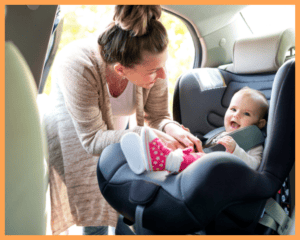
Image of a happy family with a baby in a car seat, showcasing the importance of safe travel for infants.From its inception, Essentials has been an integral part of HMHB’s mission to support mothers and babies aged zero to three. Recognizing the critical importance of safe sleep and secure travel for infants and toddlers, the program was designed to bridge the gap for families facing financial or logistical barriers.
Impact

A glance at the numbers reveals the program’s growth and impact. In 2024, less than half-way through the year, we are already on pace to surpass our crib and car seat distribution from 2023 and have a broad reach across Montana counties and Reservations. Since its inception, the program has distributed thousands of pack-and-plays and car seats to Montana families.

Year Counties Served Reservations Served Car Seats


Cribs
2024 (through May 1) 22 4 141 120
2023 28 6 244 209
Success Stories

The heart of Essentials lies in the stories of families it has helped. Through testimonials like April’s, who found solace in a pack-n-play for her newborn in a small trailer, or Martha’s, a homeless mother provided with a pack-and-play, this program makes tangible differences in people’s lives. From fleeing domestic violence to unexpected births, the Essentials offerings can be accessed during critical moments, offering safety and support.

Building Trust Through Partnerships

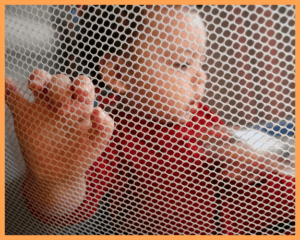
Image of a happy baby, safely in a pack n play.To ensure car seats and pack and plays are safely set up, providers (such as doctors, nurses, Health Departments, home visitors, etc.) must order Essentials items for the families they serve.  Thus, Essentials not only provides tangible products to families, but also fosters trust and relationships with direct service providers. By equipping partners with resources, HMHB empowers them to support parents comprehensively, from access to guidance on safe sleep practices, laying the foundation for future engagements.

Continuing the Mission

As HMHB continues to expand its reach and impact through Essentials, the commitment to ensuring every Montana family has access to safe sleep spaces and car seats remains unwavering. Through collaboration with partner organizations and the dedication of its team, Essentials continues to be a beacon of hope for families in need.  If you would like to help further the reach of this important program, please consider making a donation.

Donate Now to Provide Essentials to Montana Babies

Valentine’s Day and the Seasons of Date Nights

By Parenting, Self-care, The Power of Story
Two parents find solace in each other's arms, dancing in their kitchen amidst the chaos of parenthood.

A moment of respite, a reminder to cherish the simple joys amidst life’s challenges.

Date nights. Self-care. Scrapbooking. For me, there was the daily to-do list (you know, like, survival stuff) and then there were the “extras.” These were the back burner items, the shoulds, the negotiables. But, as our first post-birth Valentine’s Day approached, my husband and I felt pressured to do what we’d always done in the past: dress up and go on a real date, only this time it would mean leaving our 3-month-old baby in Grandma’s care.

I remember it vividly. I wore black tights, a gray dress, and tall leather boots. The tights were nearly impossible to hike up over my still-healing postpartum body, the dress was tighter than I had hoped, the boots felt ridiculous and showy. As we entered the busy restaurant and made our way to the table, I realized that I no longer knew how to be confident in public. After months being isolated at home with our new baby, I suddenly felt raw and exposed. I was exhausted beyond measure, still bleeding, thinking about my baby every three seconds and the only thing on the menu that sounded good was strong, hot coffee with lots of cream. 

I also remember feeling so relieved to be out of the house. That’s the thing with being a new mom. You learn to hold tension between completely opposing emotions All. The. Time.

My husband cracked jokes with our waitress. Drank cold, delicious beer, relaxed. I watched the tiny bubbles rise in his glass in a sleep deprived fog. I was anxious and envious but tried to act like I was relaxed too. I glanced around at all of the women in red, heard the sounds of easeful laughter and glasses clinking together in holiday spirit. My breasts were on their own schedule and I began to long for my sweatpants and the latch of our sweet baby. Is this what date night would be like from now on?

It was one of those stark contrast moments. The split that happens the moment you become a parent. The before and after. Everything you thought you knew will be revised. Camping as a form of rest and rejuvenation? Sorry. Taking a nap on Thanksgiving Day? Nope. Night as a time to sleep? Forget about it. 

But, as one wise mom pointed out, there are seasons. And when you have a new baby, it’s not peak date night season. Things won’t always be so intense, so demanding, so full of love and exhaustion and devotion all at the same time. We won’t always be up at midnight on Christmas eve wrapping presents and filling stockings and bracing ourselves for the next sugar cookie crash.

So, because it’s Valentine’s Day, we wanted to celebrate the fact that date nights don’t have to be fancy and luxurious to be successful. What matters most is that we make time for quality connection and slow down enough to really see each other. Whether you plan a date with a partner, friend, your own little one or even just with yourself, spending quality time and honoring your relationships deserves a spot on the to-do list, even if that means that the dishes stay piled in the sink and the laundry gets all wrinkled and your un-walked dog gives you a dirty look.

Going out might be just what you need and if that feels good and exciting and fun – do it! Wearing something you love and having the guarantee that it will remain spit-up free for at least a couple of hours is indeed quite glamorous. Being served when you spend all day everyday serving a tiny human feels wonderful. Oh, and eating a meal that’s actually still hot while being able form complete sentences and have an entire conversation with another adult (especially one you love) is pure gold.

But, staying in counts too!  Just giving each other permission to take the night off and snuggle up with a movie and bowl of popcorn can be super romantic. Sometimes, it’s just about being close and remembering that raising kids is hard work and that you’re in this together and that you both deserve moments of peace. Chocolate and roses and written words never hurt. You might as well hold hands, too, and laugh about how crazy kids are. Because they are CRAZY and laughter is medicine.

If you have more than one little sweetie on your hands, you’ve probably learned the value of planning special one on one dates with each of your children. In this case, you’re the expert on what would make you both light up and, truthfully, they don’t really care what you do together, they just want your undivided attention. Go for a manicure or dress up for afternoon tea or a Shirley Temple with extra cherries. Swing on the swings, build a snowman or draw with sidewalk chalk- they just want our eyes and ears and heart all to themselves for a little while. When it comes to special time between parent and child, a little goes a long way.

Dates with friends are important too but they don’t have to be elaborate and if anyone understands that, it’ll be your closest friends. Do whatever sounds nourishing and try to laugh and cry and give voice to your experience. It’s important to know you’re not alone and it’s really important to find friends who will understand if you need to cancel or reschedule. As a new parent, these are your people. 

Valentine’s Day, ultimately, is supposed to be one day out of the year when we celebrate love and if there’s one thing every parent knows, it’s unshakable love. So today, let that love be unique to you and those closest to you. Let that love carry you through. 

Our community, my peers (older and younger) do not feel safe sharing it.

April Charlo

Having a baby in 2020 helped me find yoga again in small ways.

Anna Bradley