Ava’s Journey Home  

By Birth

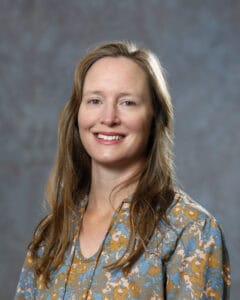
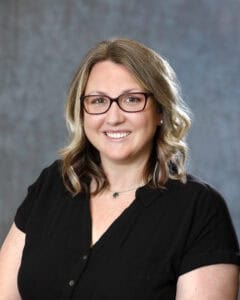
By Sam and Chloe Gill  

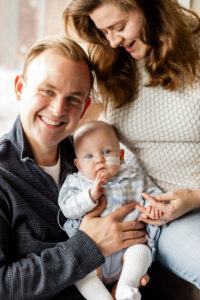
September is Neonatal Intensive Care Unit (NICU) Awareness Month, a time to honor infants in intensive care, explore how to best support their families, and celebrate the healthcare professionals who are making a difference. In our 2026 LIFTS Magazine, we featured this beautiful narrative by first-time parents Sam and Chloe Gill, who reflected on the early birth of their daughter, Ava, in 2025, and the ways they were supported by the staff at the Community Medical Center Level III NICU and Ronald McDonald House™ Missoula. 
NICU JourneySam Gill:     

Our family has been coming to our off-grid cabin west of Missoula for almost 50 years. I loved coming here as a child, and after I met Chloe, the cabin became part of both of our lives. Chloe was 26 weeks pregnant with our first baby when we returned as a family last August.   

We settled into the cabin when Chloe started feeling increasingly uncomfortable with what she thought might be indigestion. Her symptoms worsened overnight, and to be safe, we thought we should find a clinic in Missoula. The next morning we were driving up Reserve Street and it was clear that we had a medical situation – but we weren’t yet aware that this was a medical emergency.  

We navigated to Community Medical Center, which houses the NICU unit and the Ronald McDonald House. Within a few minutes of coming through the doors, they assessed Chloe, ran initial blood pressure tests, and determined that this could be preeclampsia.   

Even though the situation was intense and life-threatening, everyone was so calm, empathetic and professional. It helped us feel confident that, even though we were in a different place that was far from home, we were going to receive high-quality care.  

Chloe Gill:  

My first trimester was really smooth. But when I woke up that morning at the cabin, this felt different than indigestion. I said to Sam, “I just really don’t feel well.” The pain worsened during our drive into Missoula by the time we arrived at Community, it was clear we made the right decision to go to a hospital.  

I had HELLP Syndrome (Hemolysis, Elevated Liver enzymes and Low Platelets), which is a severe variant of preeclampsia.  The only way to resolve HELLP is by delivering the baby and the placenta. Our doctor very gently told us that there was about an 80 percent chance that Ava would need to be delivered that day for my safety.  

We were unprepared on so many levels. We packed for a vacation, not for parenthood. We arrived at the hospital in our cabin clothes. I work in healthcare, so I knew that having Ava at 26 weeks was significantly early and carried many risks.   

Sam:  

As a soon-to-be parent and the spouse of the person who is suffering from this condition, I worried for both the health of my wife and my baby. The few days we were in the hospital were tough. I remember the night our daughter was delivered; Chloe was so out of it, but suddenly she was very lucid, looked up at us and said, “It’s time.” She knew – call it mother’s intuition – and the team quickly mobilized.  

I give Chloe so much credit for listening to those instincts. Waiting even 30 more minutes would have led to a more dire emergency, as her placenta was in the process of detaching. The Community Medical team was so attentive and responsive to Chloe.  She was in the driver’s seat and they were there to amplify care and make sure that Chloe and Ava had the best outcome possible.  

Chloe:  

Our daughter was born at 10:01 p.m. on August 15, 2025, weighing one pound and 12 ounces. She was just 11 inches long. As soon as she was delivered, I started feeling better. But there was still a lot of healing mentally and emotionally. And Ava’s journey in the NICU was just beginning.  

We were blessed with a strong network of support. Both sets of grandparents spent time with us, traveling to and from Minnesota to support our stay. In addition, it was the folks at the Ronald McDonald House – right across the parking lot from the NICU unit at Community – who became the most consistent support outside the hospital. They were so warm and welcoming from the moment we arrived. Having our basic needs met – shelter, food, emotional support – took such a weight off me as I was trying to heal and wrap my mind around being a mom in this very stressful and unplanned situation.  

Sam:  

Week-to-week, there were so many unknowns. What was so nice at the Ronald McDonald House is that they would share information on activities or offer outlets to take your mind off the uncertainty, even for an hour. It was also located next to a beautiful park, where Chloe and I could take a walk, look at the mountains, and escape from the intense pressure and stress of the NICU. [Text Wrapping Break]  

Despite everything, it was so magical getting to spend time with Ava each day. The NICU nurses gave us the opportunity to be very hands-on. They encouraged us to be as active and as present as we wanted to be.    

I remember one day that was very hard. We were told that Ava’s lungs were not resolving. Chloe was still at the NICU with her and I was sitting on a bench in a park. There was a woman, walking by with her little white dog and she stopped, looked at me, and said, “Are you okay?”   

I normally do not open up to strangers but at that moment, I said, “I’m not. My daughter is doing very poorly in the NICU.” And she stopped, sat, put her hand on my shoulder, said a little prayer, hugged me and said, “Know that you’ve got people praying for you.” I never got her name, but that’s exactly what I needed. In that moment, the kindness and hospitality of Montanans really shined.  

Chloe:  

In September, Ava was on the highest level of ventilation that the NICU at Community could provide and she needed more. The Community Medical Center providers knew we had reached a critical point in Ava’s journey and began the process to advocate for Ava to receive a higher level of care. This selfless act demonstrated how they really put Ava and her needs first. In a matter of a few days, transport was arranged to a hospital back in Minnesota. As soon as the details were set, we started to feel the weight of it. There were so many mixed emotions. We were going home. But Ava’s team at Community and the staff at the Ronald McDonald House were the only world we had known in this crisis.   

Sam:  

We had become so close with the staff at the Ronald McDonald House and the providers surrounding Ava.  They became our family. We trusted them with the care of our very fragile and delicate daughter. They were our touch point.  

The Ronald McDonald House team actually offered to ship our car home. In the end, my dad drove back with me, while Chloe went with Ava – and they arranged to have snacks and an encouraging note waiting for me when my dad and I arrived at our hotel in Billings on our first night on the road home. It was all completely above and beyond.  

Chloe:  

After we got home, Ava still had a long journey in the NICU. She had extremely fragile lungs and the outcome was still uncertain, but with the new ventilator she quickly started to make improvements. Eventually, after three more months, Ava was released from the NICU on Christmas Day. It was the best Christmas gift we could imagine, and it’s all thanks to the amazing work of the NICU teams, both in Montana and Minnesota.  

We’re coming back to Missoula for the Ronald McDonald House 20th anniversary event in September. In a beautiful twist, this event also marks one year to the day since Ava was transferred from the NICU and we said goodbye to everyone who meant so much to us.  

Sam  

I can’t wait to introduce Ava to the Community Medical team, the Ronald McDonald House staff and to the family cabin. We’ve carved all of our names in the center pole in the middle of the cabin through three generations. We’ll be carving Ava’s name there too.  

Looking back, Chloe and I learned so much about giving each other grace, while also leaning on each other for strength. We learned how to trust our gut as parents. And how to let other people in, so we could receive help – even if that was just a stranger praying for me on a park bench on a really tough day.   

No one plans to go through what we went through. But I would tell other parents who are facing this journey: Don’t be afraid to lean on other people. This is a time when you need so much support, and support is out there.  

To learn more about Ronald McDonald House™ Missoula, go to https://ronaldmcdonaldhousemissoula.org/ You can also read about the Community Medical Center Level III NICU at https://www.communitymed.org/pediatrics/nicu 

You never know what you’ll need in parenting. LIFTS makes finding support easier, with resources at one website and help just a call away: (406) 430-9100.

Storytelling Hits Close to Home in upcoming Issue of LIFTS Magazine

By The Power of Story

By Gwyneth Hyndman, HMHB Storytelling Coordinator


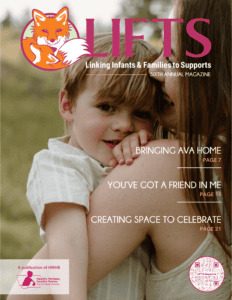
In each story for our LIFTS Magazine, the end goal is to illuminate the resources here in Montana that help families thrive.

But as we put the sixth annual issue to bed, and look back on the stories and the photos that have been collected in the last seven months, I have my own takeaway: Writing about another family accessing resources is one thing. But making the call to access resources for myself and my own family is another. Even though we know the appointment needs to be made, we can sometimes find this daunting.

And by “we” I mean me. And by “sometimes” I mean a hot July afternoon off Reserve Street in Missoula.

When storyteller Violet Killsnight suggested we meet for photos at Children’s Dentistry of the Rockies, I squirmed. Not a park? Not a pretty field at sunset? It made complete sense, as Violet’s story centered around dental care. But I found myself making suggestions for alternate settings. I realized, en route to our photo session, that I was meeting her at ground zero of my own unique trifecta of mom guilt, procrastination and dread.

The dentists’ office. The scene of so much strife in my late 20s and 30s. The first credit card I ever took out was to pay for a root canal. It was also a place that my daughters, ages 5 and 7, had yet to set foot inside. What kind of mother did that make me? 

Like all appointments I avoid, the longer I put them off, the bigger of a deal they become. And as the years passed, taking my daughters to the dentist had become one big, unwieldy deal.

As my soon-to-be kindergartener roamed with Violet’s kids through the garden, exploring the creek and the wonders of the waiting room, Violet reiterated what a positive, even healing place the dentist’s office had become for her.

“They never made me feel any guilt,” Violet reminded me, as I eyed up the reception desk.

Well, I thought, as Violet and her family pulled away in their car. Let’s test this out.

I nervously made my way to the front desk and said I wanted to make a first appointment for my daughters. I stated their ages. I braced myself for raised eyebrows and a reprimand.

“Great!” I was told. A few clicks of a keyboard and a screen with a calendar was turned towards me.  “Here are our openings this month.”

Easy peasy.

Our first visit 10 days later was, to my surprise, a delight that was covered by our insurance. And we’re on a regular six-month schedule with a dentist my daughters adore. We’re going back to deal with a cavity at the end of August. But judging by their excitement, you’d think we have a trip to the waterpark on the calendar.

Thanks to Violet’s story, that big, unwieldy deal has been wielded. My kids are set up for good dental health. In the chaos of parenthood, I feel like in this particular area, I don’t feel so overwhelmed by what I don’t know.

As you flip through the pages of LIFTS Magazine in the next few weeks, the hope is that if there is a resource you know you need, but taking that first step is uncomfortable, maybe you will find your own “Violet”  in one of these stories. Or maybe you’ll be inspired to share your own roadmap of care in the future, to be that person for other families.

As always, we look forward to hearing from you.

Reflections on the 9th Annual Perinatal Mental Health Conference

By Maternal Mental Health, Perinatal Mental Health Conference

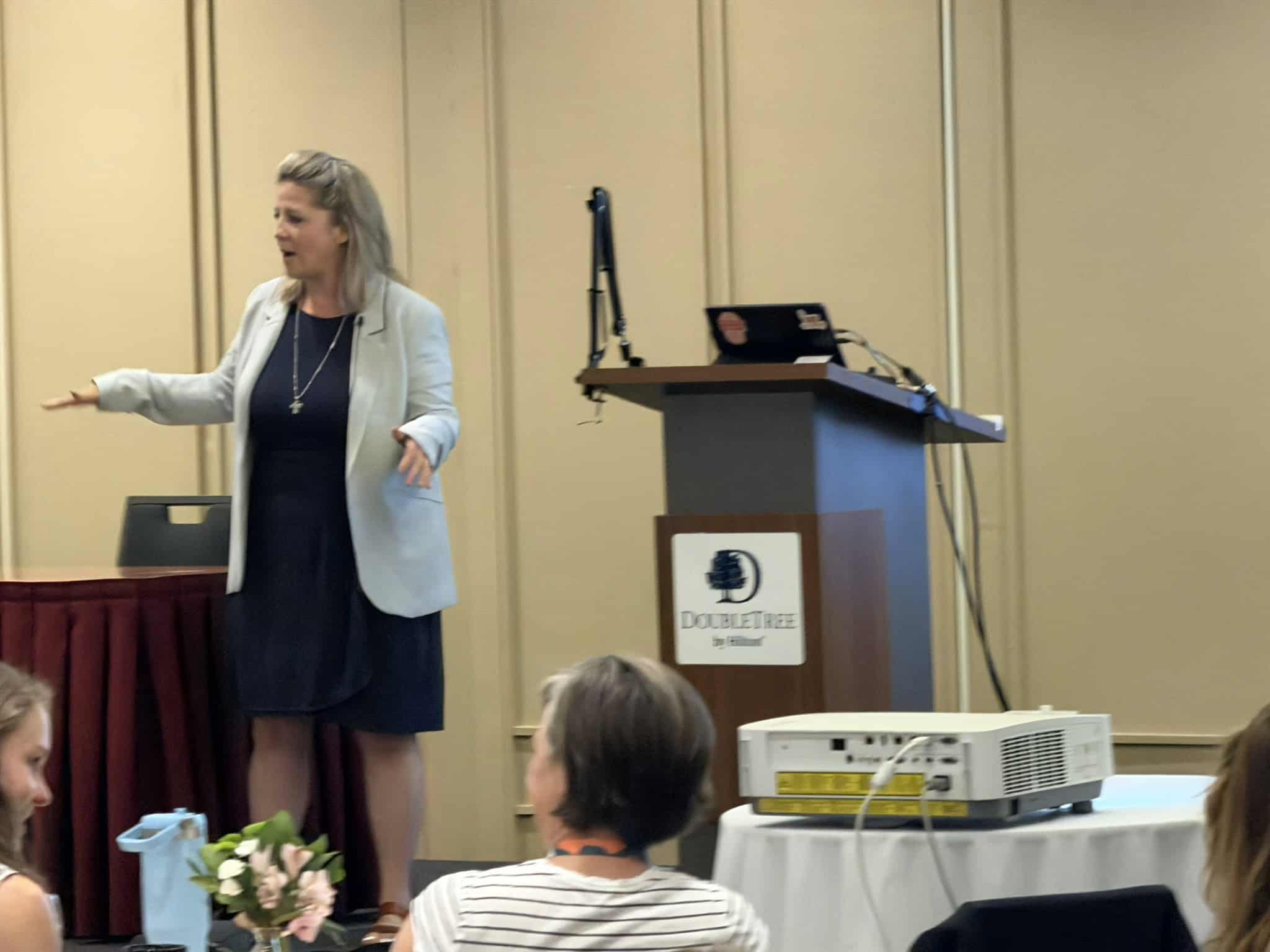
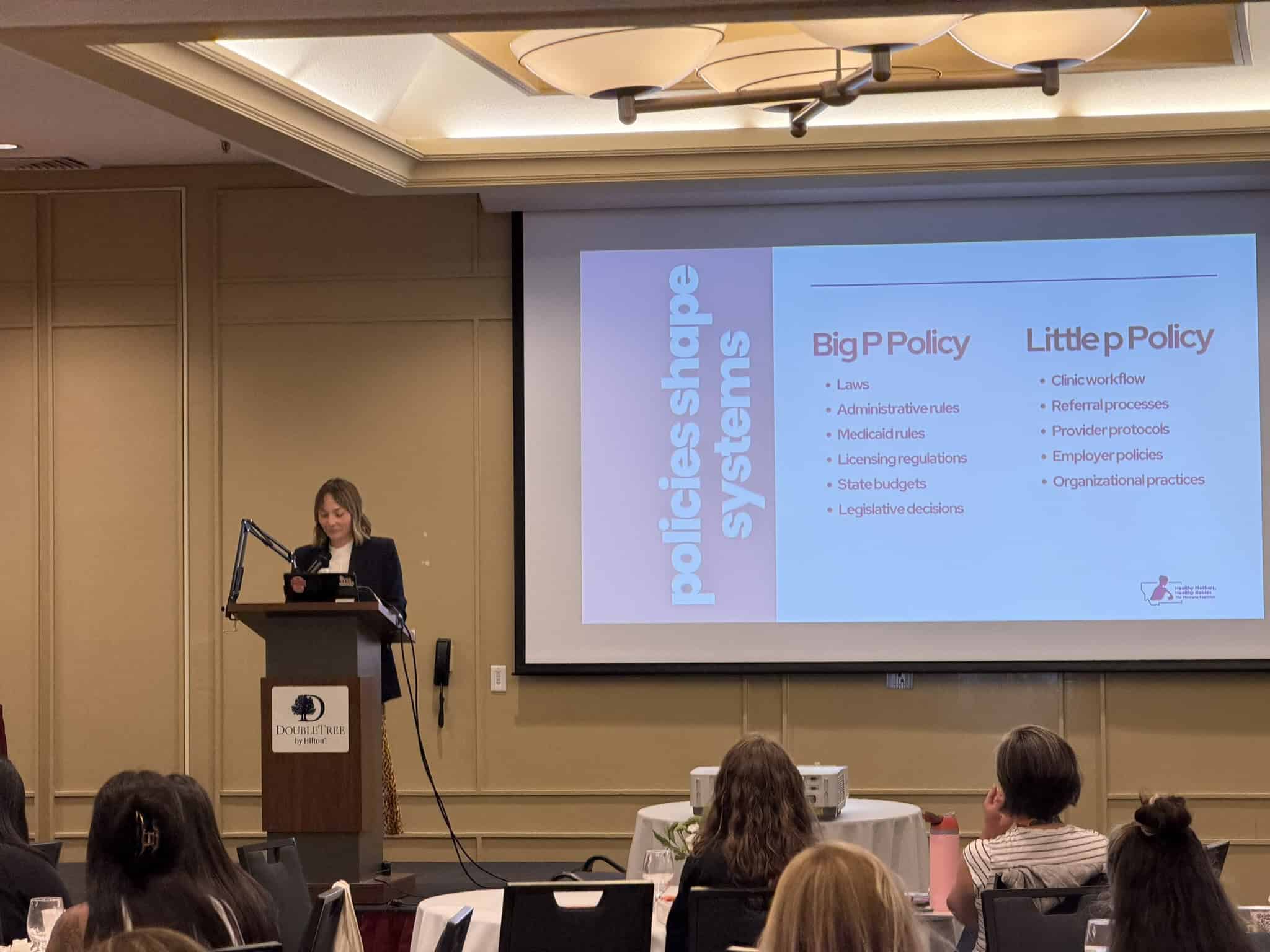
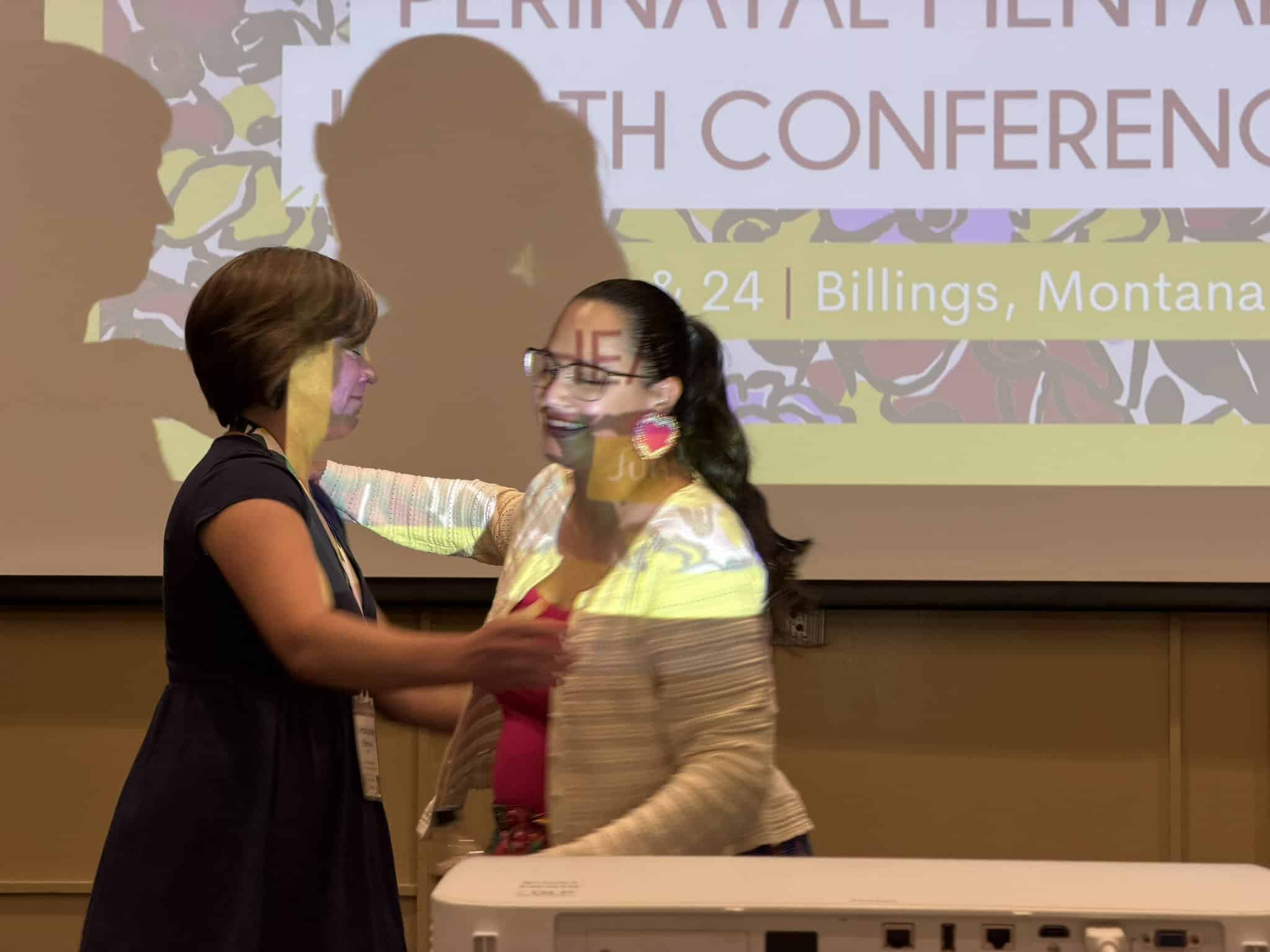
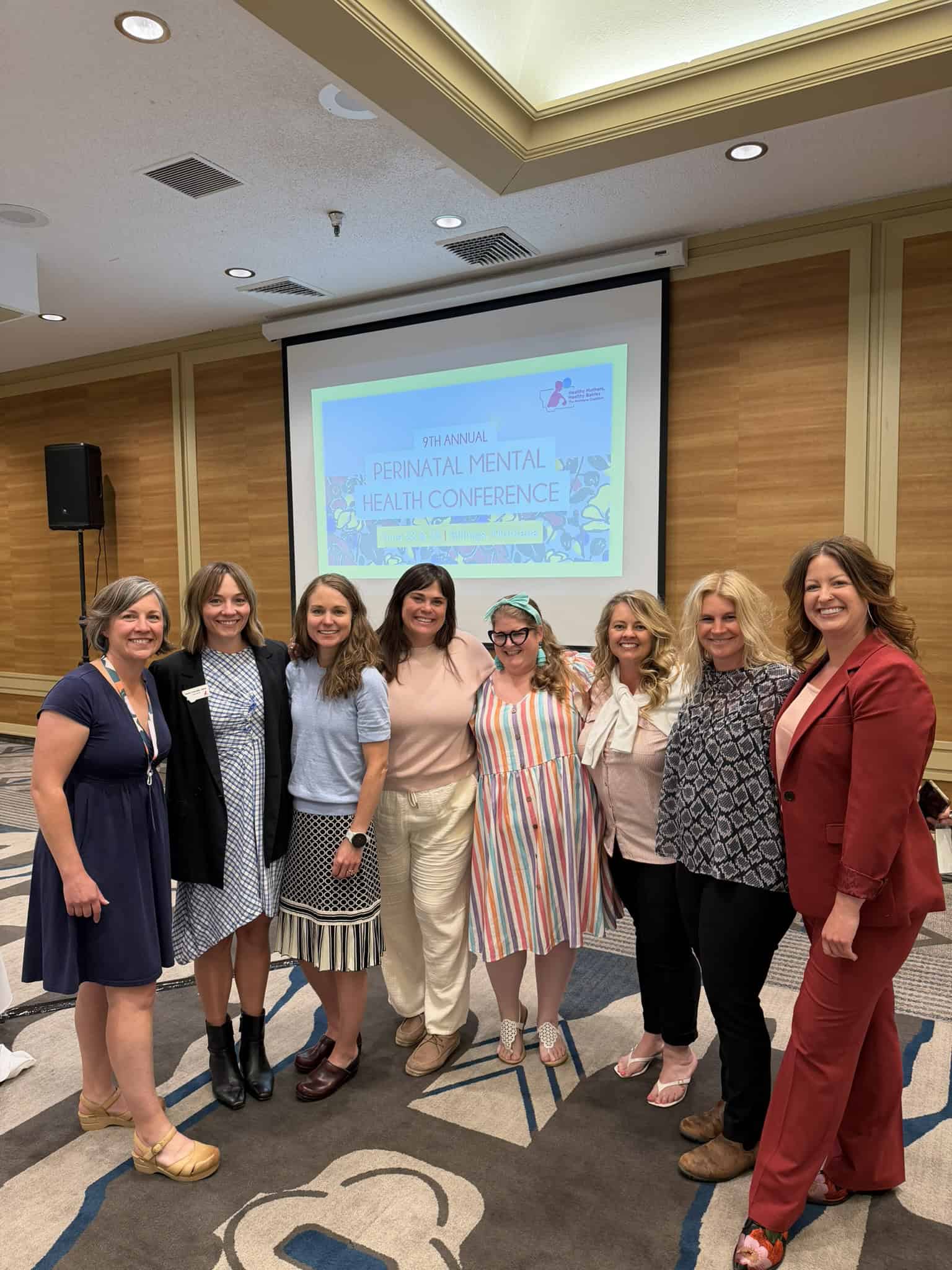
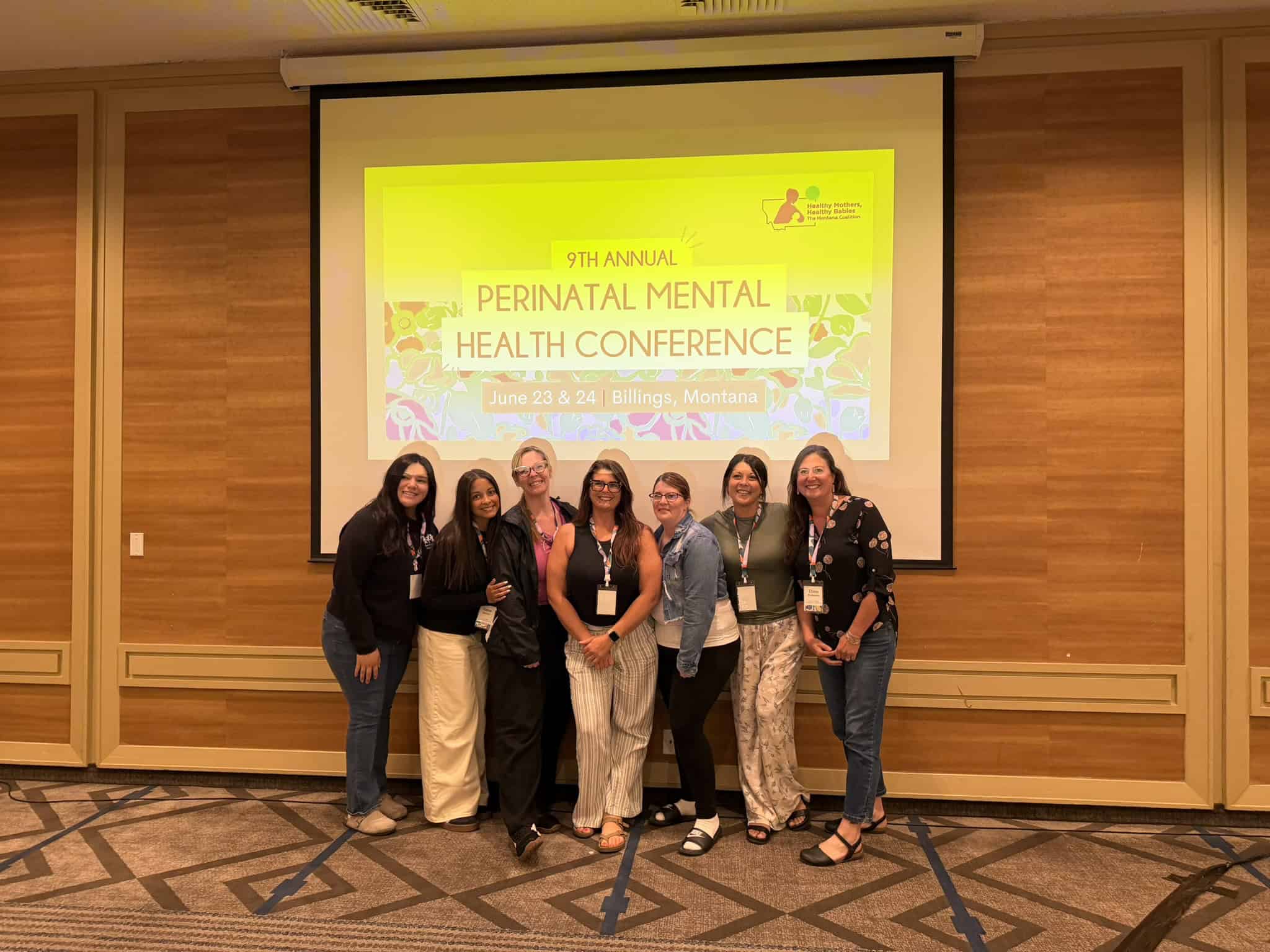
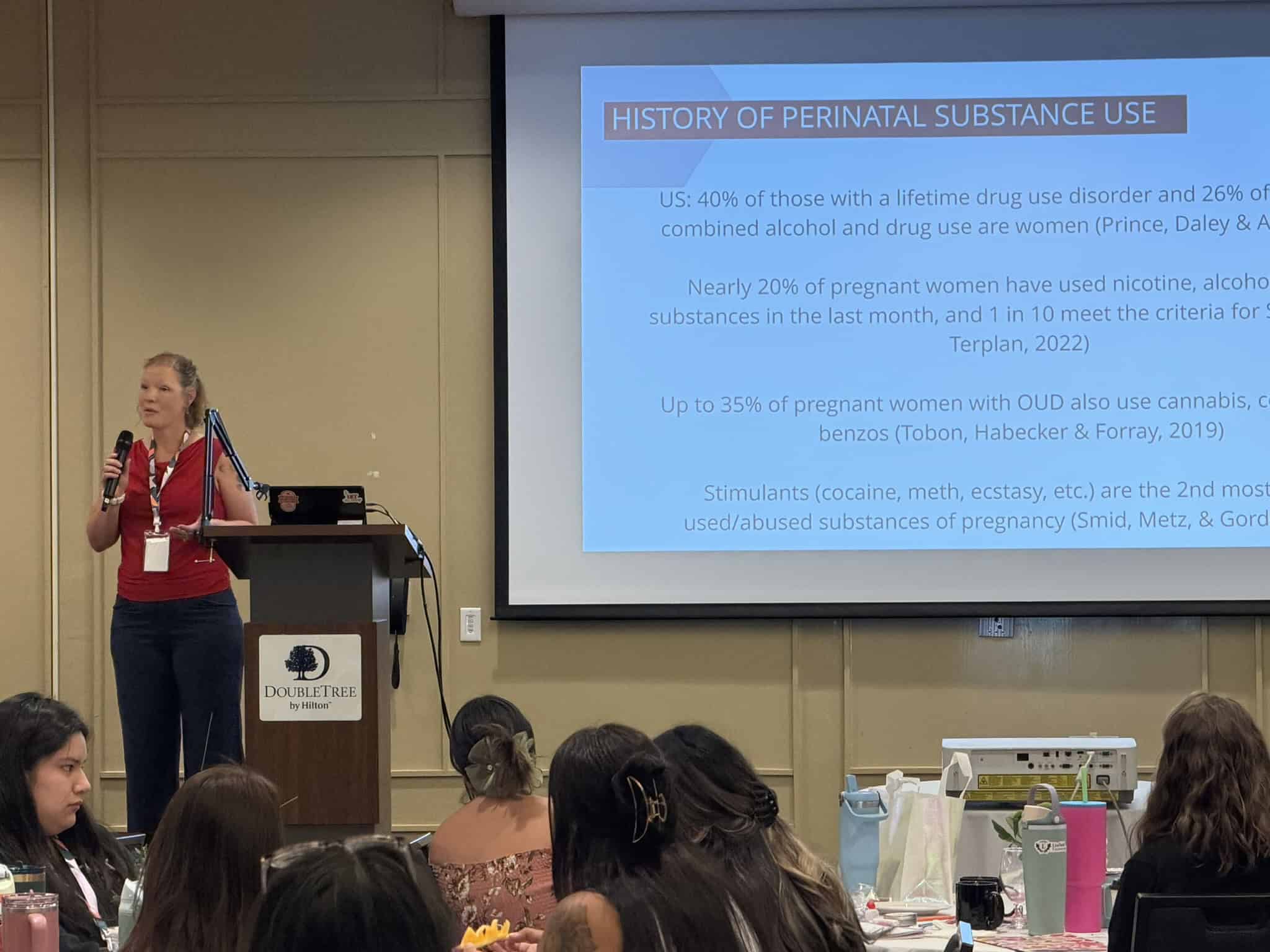
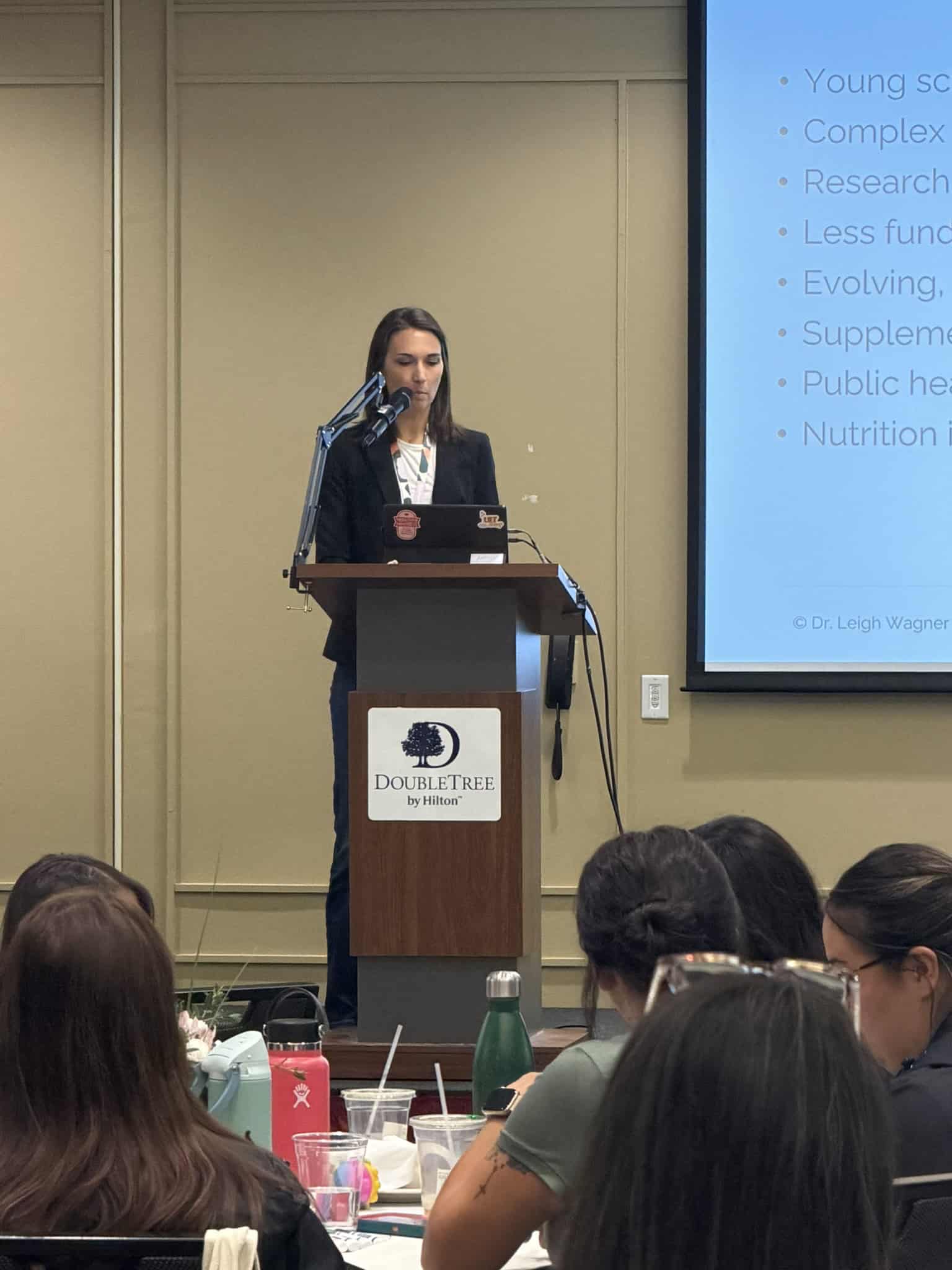
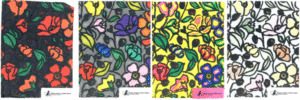
Annually, the Perinatal Mental Health Conference brings together the people working every day to support Montana moms, babies, and families. For the past two years, we’ve included coloring pages in our conference materials, inviting participants to color and reflect as they learn. Looking back at some of the completed pages, we’re reminded that each person contributes something unique. Individually, every page tells a different story. Together, they create a complex tapestry that reflects the many perspectives, lived experiences, and strengths needed to support Montana’s perinatal population.

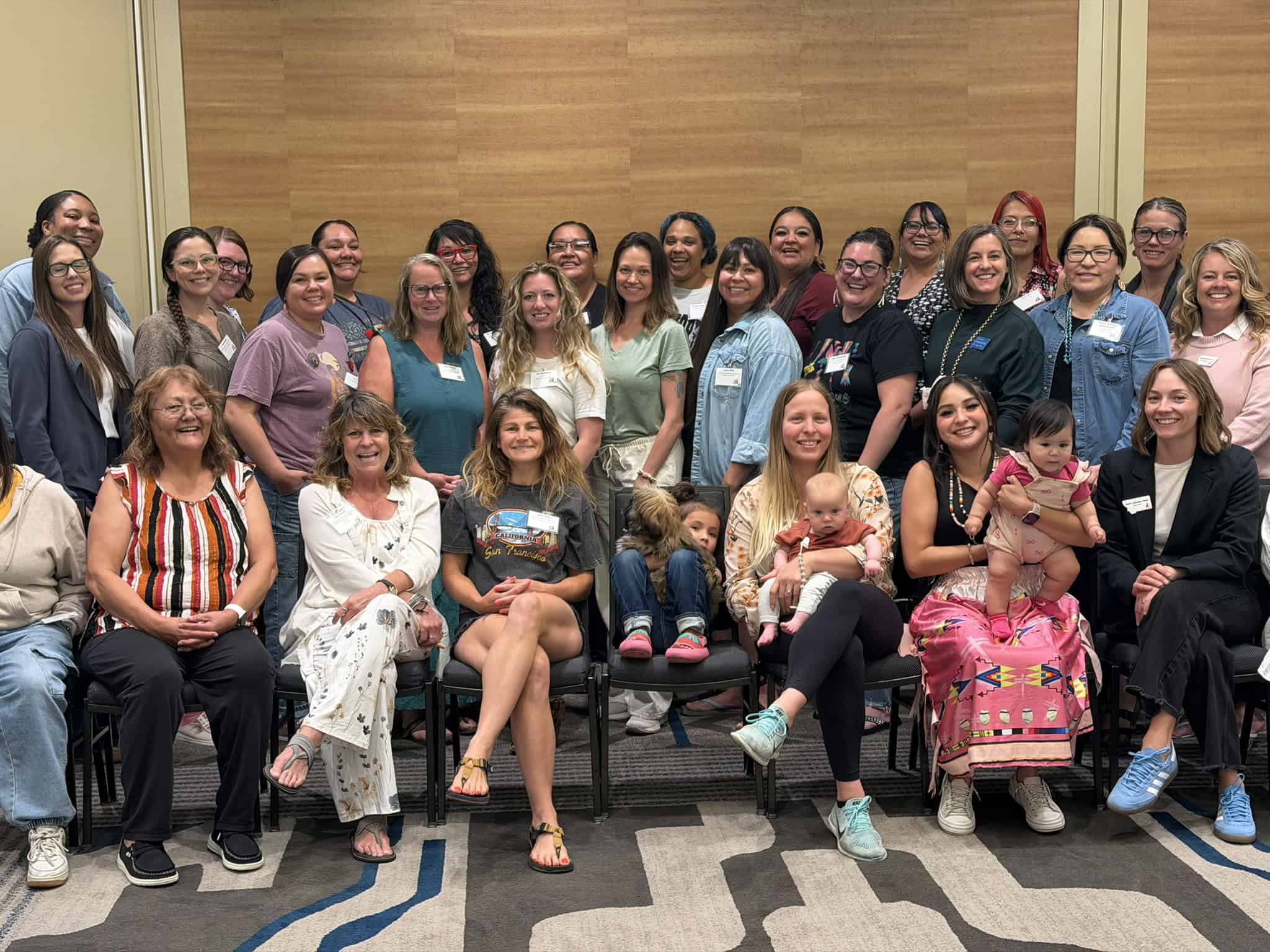
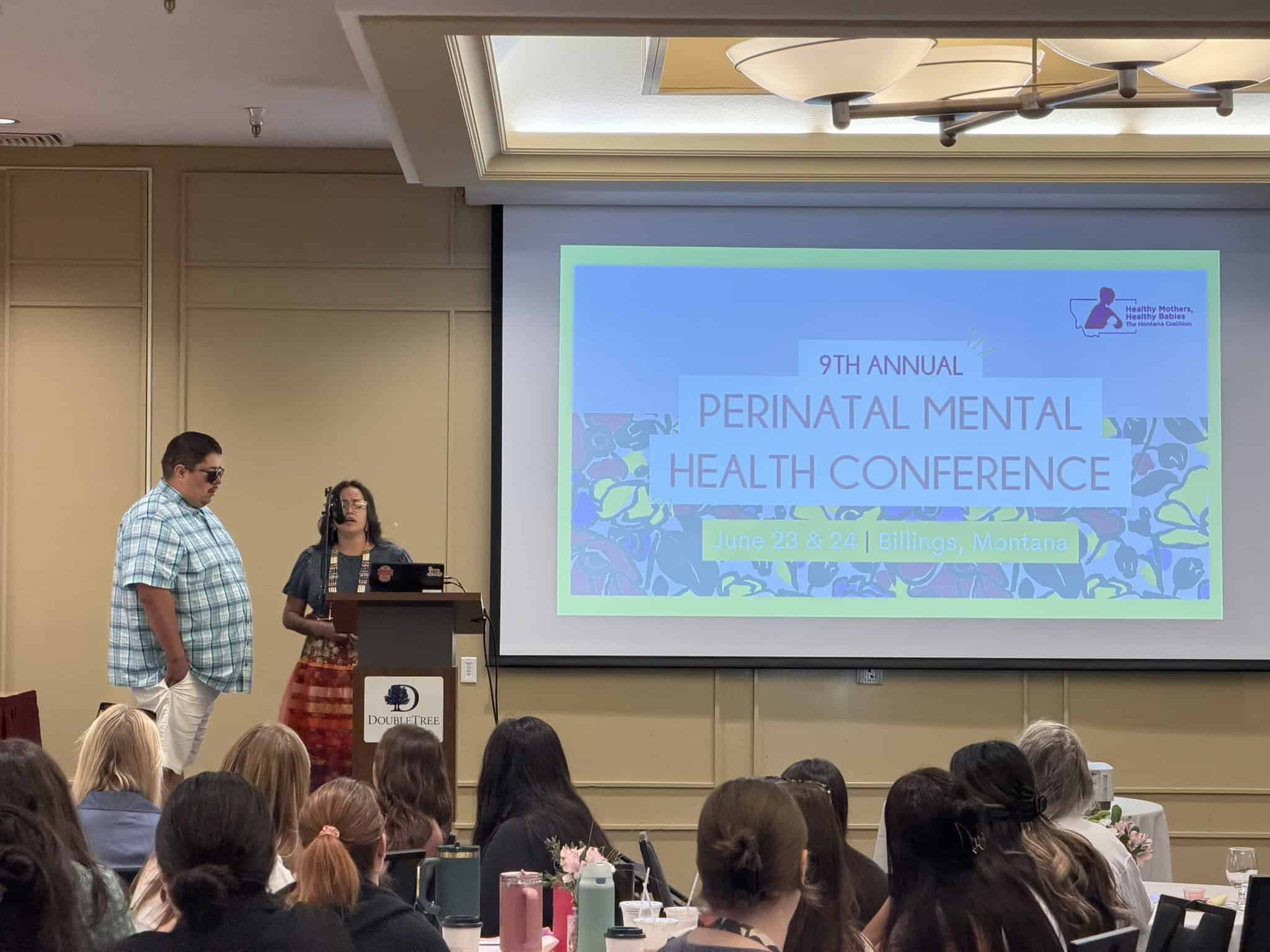
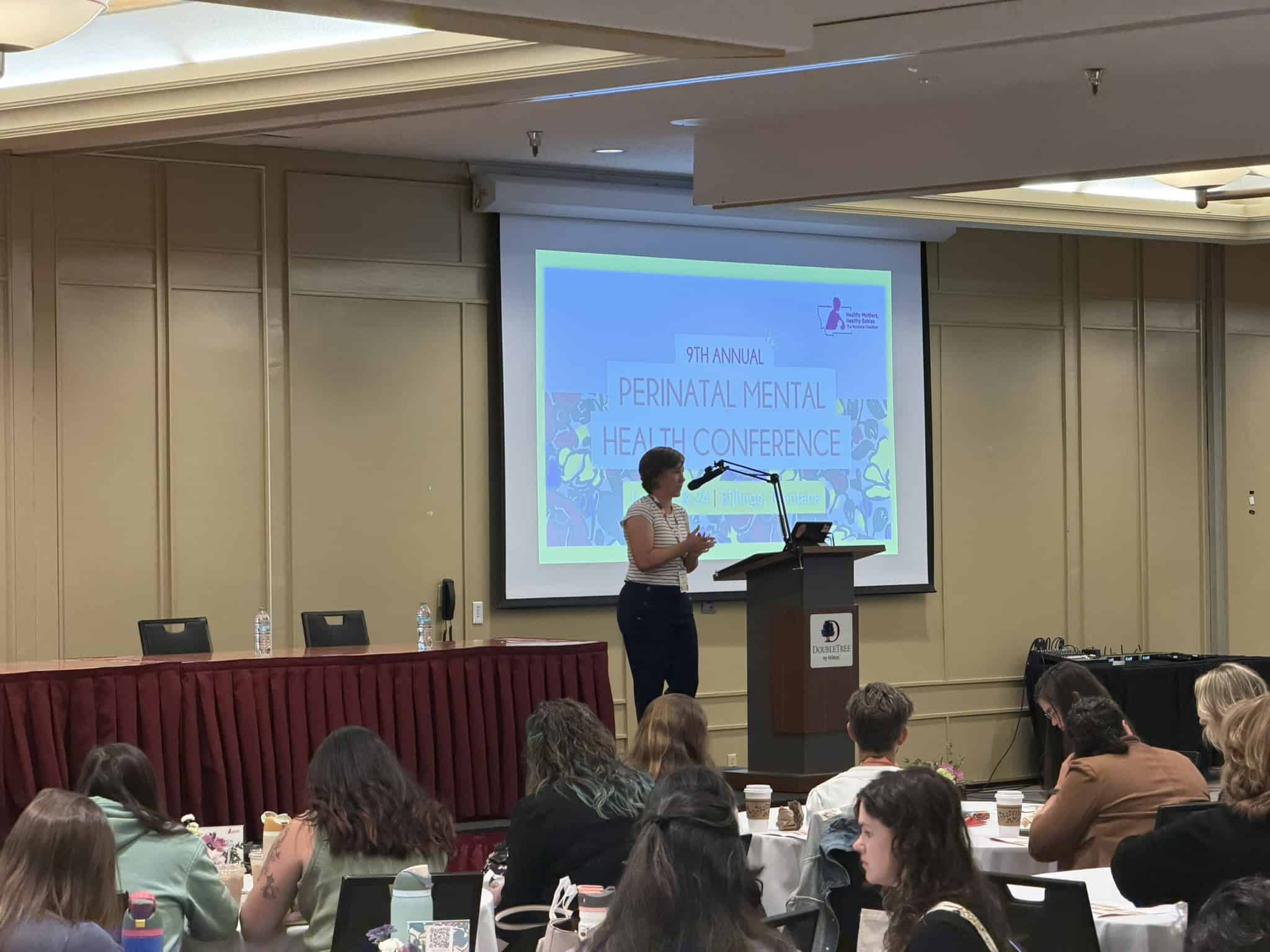
This year, we were honored to welcome over 200 attendees to Billings, representing 10 states, 48 communities, 23 Montana counties, and six Tribal Nations and Reservations. From behavioral health providers and nurses to doulas, home visitors, public health professionals, educators, and nonprofit leaders, the conference brought together people from every corner of Montana’s perinatal system of care.

More than 40% of attendees joined us for the first time. Moving the conference to Billings helped us reach new communities, and we were grateful to welcome so many new faces alongside familiar ones.

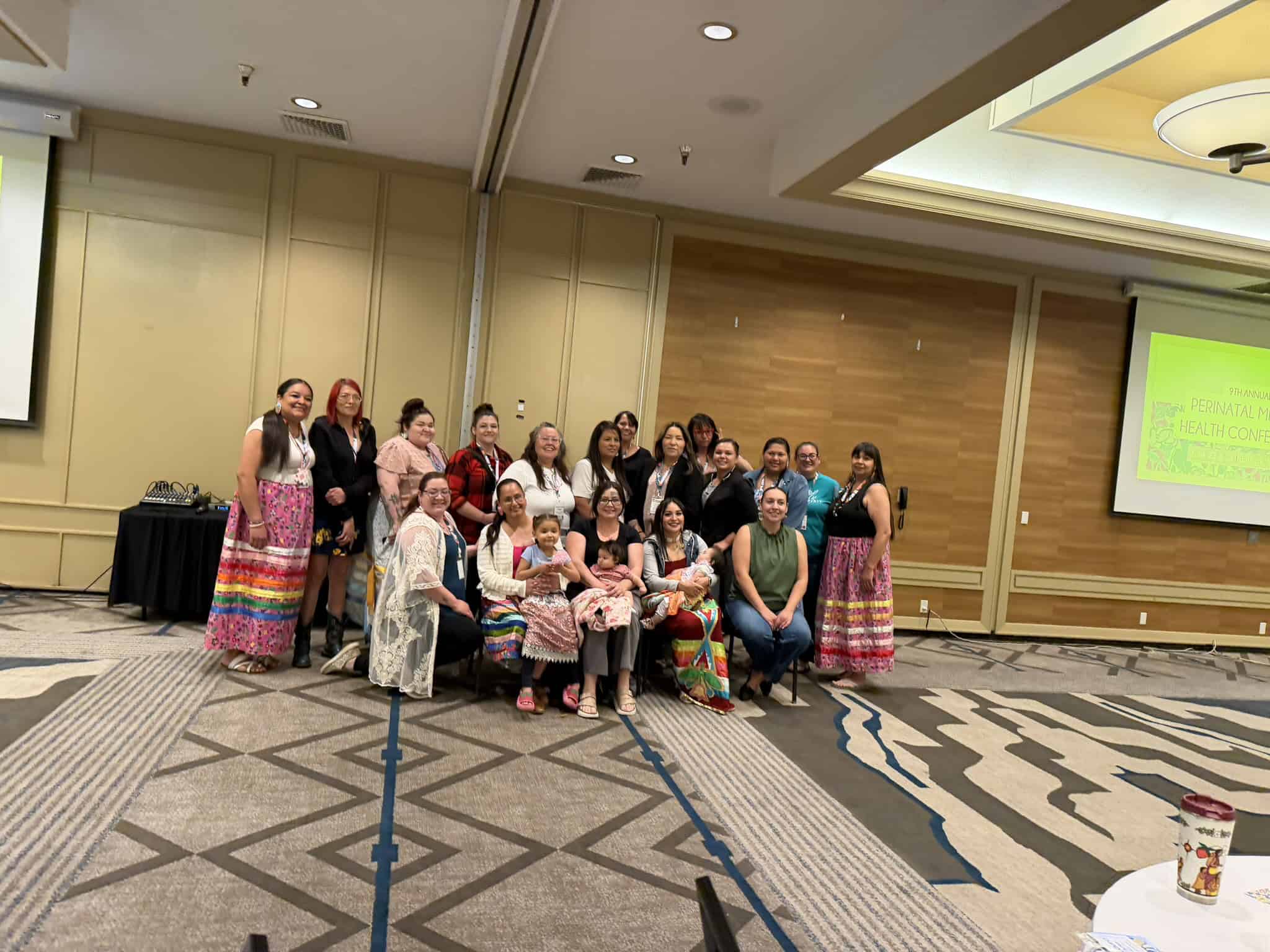
Beyond the presentations, what stood out most was the sense of connection. Conversations continued between sessions, new relationships formed, and colleagues took time to learn from one another. We celebrated strong representation from Indigenous communities throughout the conference, which centered conversations around culturally safe care and Indigenous birthwork.

We’re already looking ahead to our milestone 10th Annual Perinatal Mental Health Conference, and we hope you’ll join us as we continue learning, growing, and strengthening the network of people supporting Montana families. We look forward to celebrating a decade of growth and change in the Montana perinatal landscape and remain committed to caring for the caregivers and incorporating the thoughtful feedback we’ve received along the way.


Thank you to everyone who attended, presented, exhibited, sponsored, or volunteered. Your willingness to share your knowledge, experiences, and time is what makes this conference so special. Like the tapestry created by the coloring pages, our work is strongest when many unique voices and perspectives come together in support of Montana families.


Strategic Plan furthers impact of valuable Home Visiting programs in Montana

By Home Visiting

The Montana Home Visiting Coalition (MHVC) has adopted a new 3-year Strategic Plan, continuing with their objective to advance home visiting services in our state.

Home visiting is a voluntary coaching service that aims to strengthen families during pregnancy and early childhood, by working with new and expecting parents and caregivers of young children. In these programs, trained home visitors – usually nurses or childhood specialists – assist with building parenting skills and connecting families with the services they need to thrive.

The Montana Department of Health and Human Services’ Healthy Montana Families supports 18 home visiting programs – three of which serve Tribal communities – through funding from the federal Maternal, Infant and Early Childhood Home Visiting (MIECHV) program. MHVC works closely with those and other home visiting programs in Montana to share resources and coordinate efforts to serve more families across the state.

“Home visiting is valuable for our community because we have our eyes on the most vulnerable,” said Hannah Akard, a Billings-based home visiting nurse we interviewed in April for National Home Visiting Week. “It’s breaking down walls where racism, economic status and past experiences of judgement have created barriers. Home visiting nurses have the opportunity to get past all of that.”

Proven benefits of home visiting include early detection of health issues and developmental delays, improved kindergarten readiness, improved family self-sufficiency and reduced child abuse, neglect and domestic violence.

This year the coalition – which formed in 2021 – has mapped out three primary goals in their strategic plan: To grow and diversify funding for home visiting programs in Montana; to build public understanding of why home visiting matters to Montana families, and to cultivate a thriving and sustainable home visiting workforce across Montana.

“By working together around a shared vision, we can strengthen home visiting services and create lasting improvements for families statewide,” said Mary Collins, Policy Director for Healthy Mothers, Healthy Babies – the Montana Coalition. “This strategic plan helps us focus on the work that will have the greatest impact, and we’re fortunate to do it alongside such committed partners across the state.”

Selene, a Montana mother who called Nurse Family Partnership when she was pregnant with her daughter, continues to meet regularly with a registered nurse to discuss milestones in her first year as a parent, work through any questions or challenges that arise, and receive connections and resources she can rely on.

“Home visiting programs are a huge advantage for moms – during pregnancy, but especially postpartum,” Selene said. “I really, truly think this has been such a blessing for us – I will always recommend it highly for support in all areas.”

Want to read up on details about the MHVC 2026-2029 Strategic Plan? Go to https://staging.hmhb-mt.org/homevisiting/ to find out more.


A Year After SB 319: Montana’s Doula Care Movement Keeps Moving Forward

By Birth, Caregiving, Doulas and Doula Care

This week marks one year since SB 319 was signed into law in Montana, establishing a path for licensed doulas to be reimbursed through Medicaid. 

It’s been a long journey to align Montana with the 25 other U.S. states that currently cover doula care under their Medicaid programs – and, as we learned this Spring, it isn’t over.

Throughout the 2025 Legislative Session, HMHB-MT worked closely with the Montana Doula Collaborative and other doulas, Indigenous birthworkers and healthcare providers and advocates to advance SB 319. In legislative hearings and meetings with policymakers, these partners consistently emphasized the role of doula support in better health outcomes, including lower rates of birth complications and maternal deaths, higher rates of breastfeeding, and improved maternal mental health. 

While the signing of the bill was a step forward in improving maternal care, a move especially crucial in Montana’s rural and Tribal communities where birthing resources are scarce, progress faltered in late March 2026. Without warning, officials at the Montana Department of Public Health and Human Services told KFF Health News the agency would not be moving forward with implementing Medicaid coverage of doula care due to a budget deficit.

Staff at HMHB-MT joined with Berry Medicine Native Birthwork Initiatives, the Montana Doula Collaborative and other groups that had advocated for SB 319, in reaching out to the Department and legislators. They again reinforced the importance of doula care, pointing out that the bill had received strong bipartisan support because evidence showed that doula care – associated with reductions in cesarean and preterm births, and postpartum anxiety and depression – improved maternal and infant health outcomes while reducing overall healthcare costs. In Montana, about 40% of births are covered by Medicaid – in 2023, this cost the state more than $75 million. Birthing costs for children born prematurely and low birth weight were on average three times higher. Improving these health outcomes, advocates pointed out, reflects a significant cost savings.

A week later, the decision to table the bill was reversed.

“Instead of just taking that as a loss, the doula and birthworker community activated and mobilized, and reached out to our legislators and our leaders,” said State Sen. Cora Neumann, a Democrat who sponsored the bill, in a video on social media. 

“We have to celebrate every win,” Neumann said, following the news. “And this is a big one for Montana families, for mothers, [and] for babies. [Doula care] is playing a huge role and really growing in Indian Country. I just want to say congratulations and continue to remind everyone there is a way to make an impact…”

This week, HMHB-MT, Berry Medicine Native Birthwork Initiatives and the Montana Doula Collaborative submitted joint public comment to the Legislative Finance Committee, noting that while the Department has stated it will be moving forward with implementing a Medicaid benefit for doula care, it has also stated that, “All optional services, including this service, are being reviewed.”

In our collective public comment, we responded it was deeply alarming that a low-cost, cost-saving, workforce-expanding service for pregnant and postpartum women could be in consideration for elimination.

“More than half of Montana’s counties are designated as maternity care deserts and that figure jumps to more than 90% in counties with an American Indian majority,” our comment, co-writtten and signed by HMHB-MT Policy Director Mary Collins, Berry Medicine Native Birthwork Initiatives Executive Director Dr Amy Stiffarm, and Montana Doula Collaborative Board President Sheri Walker, stated in the May 13, 2026 submission to the Committee. “Doula care fills critical gaps in these rural and Tribal communities where maternity providers are scarce, hospitals have closed obstetric units, and families must travel long distances for care.”

Here at HMHB-MT, we are continuing to advocate for and support the implementation of SB 319. In addition to our efforts to advance Medicaid coverage of doula care, HMHB-MT supports doulas in obtaining their license through the Montana Department of Labor and Industry and is hosting a Doula Day on Monday, June 22 in Billings as our 9th annual Perinatal Mental Health Conference begins.

If you’d like to learn more about our work to advance doula care in Montana, please email Mary Collins, Policy Director, at mary@hmhb-mt.org

Navigating a new season this Mother’s Day

By Caregiving, Grief

By Gwyneth Hyndman, HMHB Storytelling Coordinator 

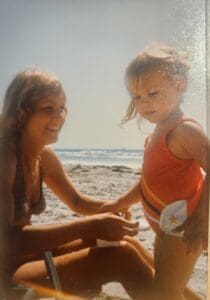
Storytelling coordinator Gwyneth Hyndman, right, with her mother, Judy, in 1980.

For the last six years, I’ve lived in a brief window of being both a daughter and a mom on Mother’s Day.  

I’m in my 40’s, so I’m old enough to know that everything about this time has been rare, unearned, and no matter how long this stretched, it was never going to be enough. 

Three weeks ago this window eased shut and closed forever. 

And of course it wasn’t enough. Enough time, enough stories, enough apologies, enough explanations. In the aftermath, I watched my two daughters play in the waves just north of where my mother used to bring me, preparing for the hours ahead that would lead us east and back to Montana, still feeling the squeeze of Mom’s hand holding mine for the last time. 

Fog burned off above the water that morning, mirroring the haze that had settled in my brain. As we cruised along the San Luis Obispo Bay, Eliza, 5, asked what a port was. I replied absently that it was where boats came back to, to be safe. It struck me that the word I was searching for in the hours after my mother died was “adrift.” I was a boat without a port.

This side trip off Highway 101 to the ocean now felt hollow and pointless without her presence in the world. I took a photo of the girls walking on the Port San Luis Pier and my hand holding the camera dropped: who was I even going to send these photos to? Who would care, as much as my mother cared?

I stared at the sea. No action on earth made sense without my mom here.

Then, my eyes caught movement in the water. 

At first I thought the tide going out was revealing a large, dark stone. Then a chill. This was no stone. Years ago, a woman had been killed by a shark here as she was swimming back from the buoys. Instinctively, I bolted towards the girls, calling and waving for them to come back to shore. 

As I ran, I watched the water, adrenaline surging. Another sleek, swift movement parallel to me. Again something dark and gleaming in the morning sun. I stopped, a hand over my eyes, as I watched the abrupt turn and submersion of the sea lion’s body, before its head reappeared, its dark eyes turned towards me on the shore, moving backward through the water in an easy, effortless, backstroke.

My mother, who had been paralyzed in her left leg since her early 30s, swam this way. It was a series of sidestrokes and backstrokes that allowed her to glide ahead, to change directions, also effortlessly, in a way that she couldn’t move on crutches. I would swim alongside her, mimicking her movements, but the water was her realm of beauty and power. 

In my mother’s last days as we watched the sun go down over the oaks on the hills across the driveway from my childhood room – the easiest place for her hospital bed to be in the house she and my father had lived in for 45 years – we talked about this memory.

“Remember,” I’d say? “All the oceans, lagoons, rivers and pools we swam in?” Even when her eyes were closed, and her speech was gone, I’d see her lips curve into a smile. Mom remembered.

Here, on the shore, I trace the sea lion as it backstrokes away from the girls and I. With one final, elusive movement, it slips back into the depths.

I left the girls behind me, and ran along the packed sand, my eyes searching for any disturbance in the water. If there was even a ripple at that moment, I probably would have dived in after it.

But the sea lion  was gone. I stood there, tears streaming, as the saltwater surged through and around my legs but also laughing, feeling – against all odds – delight and wonder. Later, in the 19 hour drive back to Montana, one of the many, many podcasts on grief I’d find, someone talked about how it’s our right, as the bereaved, to let our minds assign whatever meaning we need to these encounters. It’s my right to be ridiculous.

Grief is feral. It’s powerful. But also unavoidable if we are gifted with a full life. There is nothing to do but to swim through this first year and report back from the other shore, as so many other daughters have done before me, and will do after me. 

My girls’ arms hold on to me in a Nevada swimming pool the next morning, desert palms above us, as we practice floating on our backs. They mimic me as I do sidestrokes and backstrokes and turn in the water, my tears mixing with the chlorine. I know that how I grieve my mother now, will likely be how they will grieve me someday.

I don’t know what this first Mother’s Day will look like without hearing my mom’s voice. The girls want me to stay in bed so they can help make breakfast with my husband and pick dandelions from the back yard. I know I will cry. I will finish the book Mom and I were reading together while lying under layers of blankets. I will call my dad. I will stand in the sun on our back porch and listen to the mourning doves.

And maybe in the afternoon, if there’s time, we’ll go swimming.

Happy Mother’s Day everyone, whatever that looks like for you this year.  May Sunday be the port you need.  One of rest, grace, reflection, heavy blankets, birdsong, forgiveness, strong coffee with real cream, sunlight on your eyelids, and if you need it, an Olympic-sized pool to swim through.

A Trusted Presence: Selene’s Experience with Home Visiting

By Home Visiting

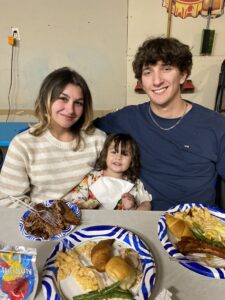
Selene heard about Nurse Family Partnerships through WIC when she was four months pregnant – her daughter, Delia, is now six months old. Selene continues to meet with registered nurse Meredith Lucas, who has become a trusted confidante for more than a year.
 At the very first visit, I thought, “I don’t know if I want to continue this.” But the more I got to know Meredith, the easier it became. I was able to open up to her. She told me a lot about programs I could look into. And she was always giving me information with each monthly milestone for the baby. Whatever I needed. 

Now, I don’t like missing our appointments –  I think I’ve only ever missed maybe one of them. My mom actually passed away some years ago, so it’s good to talk to Meredith and ask questions about Delia’s age, milestones, and what I should be teaching her. 

Before I gave birth we went over one of those birth plan forms to take to the hospital – what kind of music I wanted, how I felt about interventions, etc.  Meredith knew that giving birth without my mom was something I struggled with. So as part of my birth plan, she suggested I bring a photo of my mom to the hospital with me. I did that and it was really soothing for me.

I did want to have a natural birth with no medications and I tried for this through the whole pregnancy. When I went to the hospital, my fiance, Monty, was there with me the whole time. He was the one playing the music, trying to help me feel more comfortable. I was in labor for 26 hours and I was given an ultimatum to take the epidural or have a C-section, which I chose to have the epidural. There were some decisions about medications I was advised on after this that didn’t work out and actually seemed to make things worse. That was really frustrating since I was doing my best to follow the doctor’s advice. But when I trusted my instincts on a medication they recommended, and said no to this, it ended up being the right call and things were regulated. You hear that message that “you are the one who knows your body the best.” That can be a risky statement at the moment. But it was awesome because that was the right move – that made me feel like I got some power back. Also, it gave me a perspective on that really helpless feeling your partner can have in that room. 

 Monty did the cord cutting and when Delia came out, she looked right at him, which the doctors said was surprising. I guess they usually don’t really acknowledge dad. They just want mom. But Delia looked directly at him – it was beautiful. 

When I started meeting with Meredith again, I think the main thing I was wanting to know was if things would ever be regulated with Delia. Everything just seemed so all over the place when they’re newborns. But I think it was more like the comfort of having Meredith there, more than anything, both before and after I gave birth. She had insights about postpartum stress and had a list of therapists if I wanted to connect. Meredith helped me get in touch with a doula for placenta encapsulation, then she helped with breastfeeding and also helped me get signed up for Medicaid. She’s been able to come to the house a few times and to do weight checks for the baby when I’ve been feeling like I need to know exactly what she’s weighing. She was a huge help every step of the way.

Delia is now six months old, and it’s been more than a year since I’ve been meeting with Meredith.

We’ve mostly met at little coffee shops in the morning and that’s been a comfortable setting. And then sometimes here and there she’ll come to the house and see the baby – it really just depends. She just goes where I feel like I want to go. 

In the beginning  I felt like visits were going to be a place where they judge you or report things back – whatever bad things they can get out of you or point out things you’re not doing right. I thought that this was just going to be a negative thing. Although it turned out to bring out the best in me. Meredith would highlight everything I was doing wonderfully as a new mother. The more I just kind of kept going with it, the more I ended up finding out about Meredith as well. I was able to open up to her and trust her.  

If anyone asked me, I’d tell them that home visiting programs are a huge advantage for moms – during pregnancy, but especially postpartum. I really, truly think this has been such a blessing for us – I will always recommend it highly for support in all areas.

You can use the LIFTS Online Resource Guide to find home visiting programs across Montana—just type “home visiting” into the search feature. If you need help finding a program, you can also call the LIFTS Warmline at (406) 430-9100 for personalized assistance.

Support from the Start: Tristan, Emberly, and the Power of Home Visiting

By Home Visiting

Tristan was 18 years old and 10 weeks pregnant with her daughter, Emberly, when she was first connected with home visiting nurse Hannah Akard through Nurse Family Partnership. Now 21, Tristan speaks on the role Hannah played in her birth journey, and the joys and challenges Hannah has been present for as Emberly, now 2, continues to thrive.

I remember I had gone to see a nurse and they had a little poster by the door for Nurse Family Partnership. I read it while I was waiting on the nurse to come back in, and I was like “maybe I’ll give it some thought.” I was signing up for WIC at the same time too and I was thinking that it seemed like a resource I needed. 

Garett and I got together in our senior year of high school and we’ve been together since – but we were super shocked about the pregnancy. We were so young. I went into it knowing a little bit about babies and birth, but I wanted to be fully informed. I wanted to know everything so no one could say “you don’t know anything –  you’re just 18.” 

We both went to meet up with Hannah for a coffee the first time. Then we started meeting biweekly. I did a lot of my own learning and Hannah helped me with that as well.  Like with what’s changing in my body, what’s going on with the baby, and life after having a baby, and what postpartum depression and anxiety was. 

Garett was there at some of the meetings with Hannah. Sometimes I’d bring material from Hannah home and I reviewed it with him. He was very involved in the birthing plan – he knew all  the stretches to help relieve all the pressure during pregnancy and then also during labor. He was amazing during the whole process.

I had three different birth plans – an A, B, and C. Hannah was just super supportive through it all because I’m very much a natural person. So she really helped me with finding natural remedies. But Hannah and I also talked about how it might not go perfectly. So I went ahead and made B and C plans. But it did honestly, end up being the best birth.  I used aromatherapy and I did a lot of prep before. I stretched and I did these workouts with the yoga ball. 

I delivered naturally. It was 19 hours, with me pushing for less than 30 minutes. They put Emberly on my chest and it was like my whole world shifted. 

The only part that didn’t go to plan was that I didn’t get my “golden hour” that we’d talked about right away. I wasn’t delivering my placenta and then I was losing blood and a doctor had to step in and do what needed to be done. So Garret got her, and he had his skin to skin time with her until I could hold her.

After, I was texting Hannah, sending her pictures of Emberly and filling her in on the birth. Then she got to meet her and see her in her little car seat with her cute outfits and stuff –  it was just so sweet. 

I did fall into postpartum depression and anxiety pretty bad for a little bit. I didn’t want to tell anybody. When I was doing those screenings, I just kept lying on them. I was thinking, “I don’t want anybody to think I’m unfit.”  You know? Just the fear of all that. But then I had this one day –  I don’t remember what happened. I broke down to Garret and I told him everything. He said I  needed to talk to somebody about this. And so I talked to Hannah about it and we got very open and honest and she helped me with all the resources that I needed. Even just being open and talking about what I was feeling helped me.

I’m 21 now, and Emberly is two – she’s very independent. Anything she can do herself or she wants to do herself, she will do. So that’s pretty fun. She is super sweet and well-mannered – that was a big thing for me. She’s very much a daredevil. 

Hannah has been my rock from the beginning. She knew before anyone about the pregnancy, other than Garret and a few key people. So it was really special to be able to show her my baby after everything that we’ve been through. We finally got into our own apartment six months ago and we have just kind of been thriving. 

It has been so amazing as a young parent to have somebody who’s not related to me, to be able to give me reassurance and information. With Hannah, it was always super neutral. It was like, “Here’s information. Take it if you want it – don’t take it, if you don’t want it. No matter what, I’m here for your peace of mind.”

You can use the LIFTS Online Resource Guide to find home visiting programs across Montana—just type “home visiting” into the search feature. If you need help finding a program, you can also call the LIFTS Warmline at (406) 430-9100 for personalized assistance.

‘Let’s Talk About It’: Meredith Lucas on Showing Up for Families

By Home Visiting

Meredith is a Montana native and lifelong learner – so traveling and experimenting with different professional and personal endeavors has become a passion as she has explored and worked through the United States and South America.  Once an aspiring Spanish professor, now a nurse home visitor for the perinatal population, her curiosity and drive to advocate and inspire positive change in perinatal health care has become a refined focus. When she’s away from work, Meredith can be found with her two children, Buckley and Iris, or navigating the terrain with her dog, Stanley. 

From my perspective, a home visiting program is working to close the gaps and create a judgement-free presence in a way that’s unique to each person. It gives people the space to be who they are.

There are people who have the benefit of having a family or friends that really step up at this time, are there for them and do all the things that need to be done – I think that is wonderful. But I just don’t think that’s the case for the majority of families. So many of us are kind of on our own trying to figure things out, and you take on so much that you shouldn’t have to. Sometimes the difference is just having that support person who says: “Hey, let’s talk about it.” Or “What are you feeling? What do you need?”

Yes, there’s the healthcare aspect to home visiting – supporting people through that is important. But I think we get more of – “I just need somebody here to really be with me at this time in my life.” 

I’m originally from Billings. When I was 18, I moved out to Oregon to go to school and I majored in Spanish. I traveled down to Mexico and South America and was on that path of just working towards becoming a professor in Spanish, but things changed and I ended up moving to Oklahoma and working with non-governmental organizations like Feed the Children and Boys and Girls Club. I had my first child during nursing school and was a night shift nurse while working in research. Then after Covid, I decided I needed to be closer to my home base, and we moved back from Kansas up here to Billings.

I had my second child and had the opportunity to use daycare and switch gears with a day shift job – and that’s how I came into this position as a home visiting nurse. In supporting other parents and mothers who were in the same boat as me, I feel like it was like I was widening my own community. 

I’m the person who can provide advocacy and education and walk alongside new parents. I’m there to ask “How do you envision yourself? What issues have you been dealing with – and how would you like to approach those issues?” They’re doing the hard work – I get to be there to support them when they need me and tell them it’s going to be okay. That we’ll figure it out. 

With the rise in the knowledge and advocacy of perinatal mental health, we’re allowing people to be vulnerable and not carry that weight all themselves. We’re also normalizing not feeling okay during a period of time when you’re told you’re supposed to be having the time of your life, you know? That’s not always the case for people. And if they’ve had a lot of their past, kind of creeping in during parenting – what do you do with all that? 

A lot of people have burdens they’re carrying around, and they need to feel safe. That’s a big one. They have a need to feel like they’re not the only ones that are, say, having a child with developmental delays. They might just need to gain perspective on what’s going on right now.

We remind our clients that if anything, at least they know they have a choice. They can choose to call me – or not. They can see me – or not. And that in itself is an intervention and outcome for a person who may not have had a lot of decision-making opportunities in their life. 

If there’s hesitation, that’s completely okay and normal. I’ve softened my approach a lot since I first started. You don’t need to sign anything or enroll. We can just talk or you can get to know me. Because some people do require a lot more relationship building upfront. It’s just allowing that person to be the decision maker. Maybe in the grand scheme of things, it’s just a little ripple in the pond, you know? But it’s something.

Everyone has an internal dialogue. It’s hard when the internal dialogue is not a positive one. I really like to support people by providing a positive dialogue no matter their situation. Reminding them that there’s still hope and there’s still the ability to change. This is not the end, you know? This is only the beginning.

You can use the LIFTS Online Resource Guide to find home visiting programs across Montana—just type “home visiting” into the search feature. If you need help finding a program, you can also call the LIFTS Warmline at (406) 430-9100 for personalized assistance.

‘You Don’t End Up Here by Accident’: Hannah Akard on Heart, Trust, and Home Visiting

By Home Visiting

Hannah has been a nurse for almost 17 years and has been a Home Visiting Nurse with Nurse Family Partnership in Billings for three years.

She and her husband have six children – fostering and adoption are part of their story – and Hannah will be the first to tell you that she loves her role as an RN. But even more, she adds, she loves each of the families who have given her the honor of being invited into their stories. 

I always tell people, “you don’t end up in this job by accident.”

Since I was little, I’ve always, always loved moms and babies. I was a missionary kid and I think that’s just part of my DNA –  I knew I wanted to be a nurse since childhood.

When I was in high school, I actually interned with a midwife and I got to follow her on some prenatal appointments and several deliveries. On one of the deliveries she didn’t make it in time. So at 16, I helped the mom deliver and I actually caught the baby. It was life changing. Just a really incredible experience to see what it looks like to support a woman during pregnancy, then during labor and delivery, and postpartum.

From my personal experience, I had my first baby during finals week in between my two years of nursing school and when I graduated, I had a 1-year-old. My husband and I went on to have six kids within eight years – three biological and three adopted. And through that process of fostering especially, I feel like it really gave me a heart for mamas who were struggling and wanted to be moms, but didn’t have support systems in place, or didn’t have people advocating for them, or advocating for their babies.

I actually stepped into home visiting from being a NICU nurse. I’d been a NICU nurse for a long time. I was also a flight nurse for a while – but there was not a good work/life balance. I was like “there has to be a way that I can still take care of mamas and babies and be a good mama myself.” So I legitimately just Googled “Mother/ Baby, Nurse”- and this position popped up.

I get the privilege of being there through pregnancy, which is such a pivotal time for a mom – and then through the first two years of baby’s life, which is so foundational. This has been such a gift to me, because that is something I didn’t get in the NICU.

There are so many joys and heartaches we are invited to share in. Sometimes a client’s mom – maybe they don’t have that relationship. Or they’re estranged or, you know, her mom isn’t alive anymore. They need somebody who can rejoice with them. Who can sit in the pain with them. Just continue to walk every step of these critical first few years with them. Consistency is huge. For some moms, we are the longest and most consistent relationship they have ever had. You really, really do give these families your heart. We pour our blood, sweat, and tears when walking through the hardest of times with them, which is such an honor.

I had an experience with a mama where I went to the first postpartum visit and I walked in the door and she was holding her baby. And I was just like, “Oh my gosh, she’s beautiful.” And she was like, “I want you to hold her – I want you to be the first to hold her.” And I just …  it wrecked me. 

We really work hard to try to collaborate. And that collaboration really looks like bringing in the right people. Sometimes these are connections for behavioral/mental health or housing. One of the first things we ask moms is, “Do you have Medicaid?” “Are you connected with WIC?” “What’s your living situation?” We can’t really go further until those necessities, those high needs are met. Nothing else really matters. Those are the priorities, you know, the focus initially when we start meeting with mamas. 

I do feel like the acuity of the situations that our mamas are in, just in the three years I have been here, has significantly increased. When I first started, we maybe had a mama whose main need was finishing high school. Or they needed housing or resources as far as, you know, just making the paycheck go through the rest of the month. Sometimes it was a relational issue.

But now I feel like with so many of our mamas that we’re working with, there’s mental health issues. There’s substance use issues. There’s intimate partner issues. There’s legal issues. Housing, I feel like, has been a constant the whole time I’ve been here. There’s just more acuity and complexity now.

Ultimately, it’s really trying to just meet them where they’re at and finding out what their priorities are. And remembering that their priorities may not be my priorities. So how can I support what is important to you?

 The beautiful thing about Nurse Family Partnership is that this is evidence-based. The numbers really show the return on the investment. And yes, there’s the financial part of the investment, but it’s also the return on the investment of relationships. Of time spent with that person and the trust that is built. Home visiting is very valuable for our community because we have our eyes on the most vulnerable.

It’s breaking down walls where racism, economic status, and past experiences of judgment have created barriers. Home visiting nurses have the opportunity to get past all of that.

For me, visiting with mamas during pregnancy and continuing to care for them and their family until the baby turns two – that’s more than a two and a half year relationship.  I don’t know any other area of nursing that I would get that opportunity to really be a part of a family’s story –  just like each of them are a part of my story.

You can use the LIFTS Online Resource Guide to find home visiting programs across Montana—just type “home visiting” into the search feature. If you need help finding a program, you can also call the LIFTS Warmline at (406) 430-9100 for personalized assistance.