Category

Dads

LIFTS Out Loud: Ryan’s Journey Home

By Caregiving, Community Support, Dads, Early Childhood, Parenting

By Callie Triller & Jake Maher

This story appears in the 5th Annual LIFTS Magazine, where Montana parents share honest experiences about connection, resilience, and the journey through early parenthood.

By Jake:

Before my son Ryan was born, my life was spiraling out of control. I wasn’t a productive member of society, and was just lost. I was in jail when I discovered I’d become a dad, and Ryan’s mother and I were no longer together.

I eventually got into the drug court program, and went to treatment, and that’s when Callie and her family got involved as foster parents.

I started doing weekly video calls with them, which Child Protective Services (CPS) encouraged. Callie sent me a notebook and a pen, and said if you want to write a letter to Ryan, we’ll read it to him, so I did. She and her family were so supportive of me. They sent care packages while I was in treatment, they sent pictures and a photo album, and wrote to me about what it had been like since the day they got him. They saw me as a person who was struggling and needed a lot of extra encouragement, and were always helping work towards the goal of reunification. When I got back from treatment, Callie would drive Ryan to me for my supervised visits, twice a week for an hour each.

I took parenting classes, got enrolled in an intensive outpatient program, and went to 12-step meetings. Ryan was the reason I didn’t give up. I didn’t really look at that as an option at that point. I just wanted to be with him.
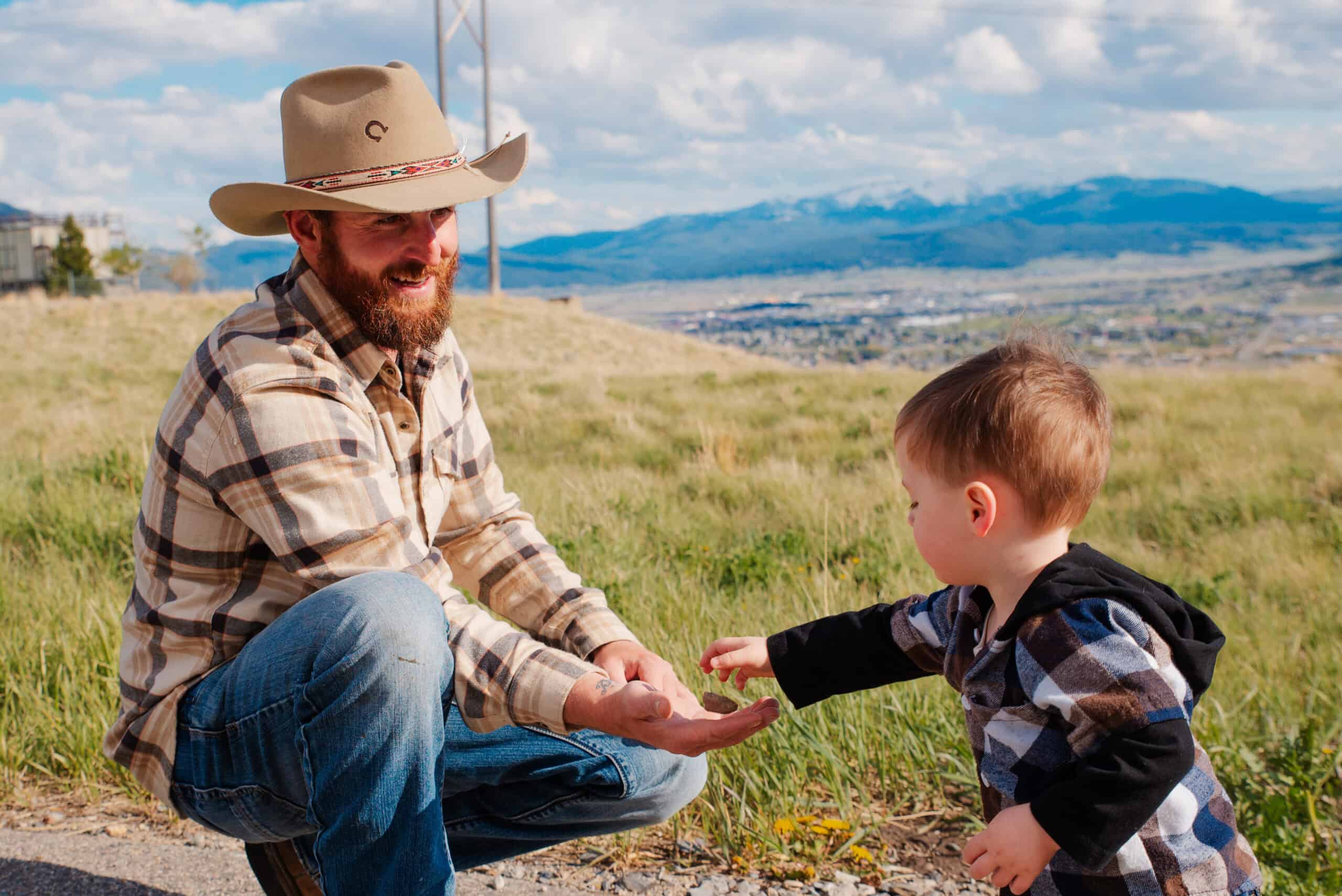
When he finally came to live with me, I continued these efforts, attending recovery meetings and taking every parenting class that I could. I wasn’t court-ordered to do these things, but felt it was necessary to keep me on the path that I was on. I wanted to take full advantage of every opportunity I could that would give me greater chances of having Ryan permanently. I’ve learned that the more you put into something, the more you get out of it. That’s why I went all out, and did everything I possibly could to better my chances of getting him back. I work full-time, Monday through Friday, and Ryan goes to daycare. He’s just started walking, and has been communicating more. It’s not so much like a guessing game anymore – he can actually let me know what he wants. The communication between the two of us, growing together, and having the bond that we do is a huge win.

Eighteen months ago, I never would’ve thought that I’d be where I am today.

By Callie:

When we started fostering, we knew we would need every resource at our disposal. With every placement, it held true – we needed friends, babysitters, doctors, and community to support us so we could love and support each child who walked in our doors. Baby Ryan was no exception. He came to us straight from the NICU after a pre-term birth, and we immediately enlisted as many friends as we could to take turns holding and rocking him, knowing he needed all the love we could provide.
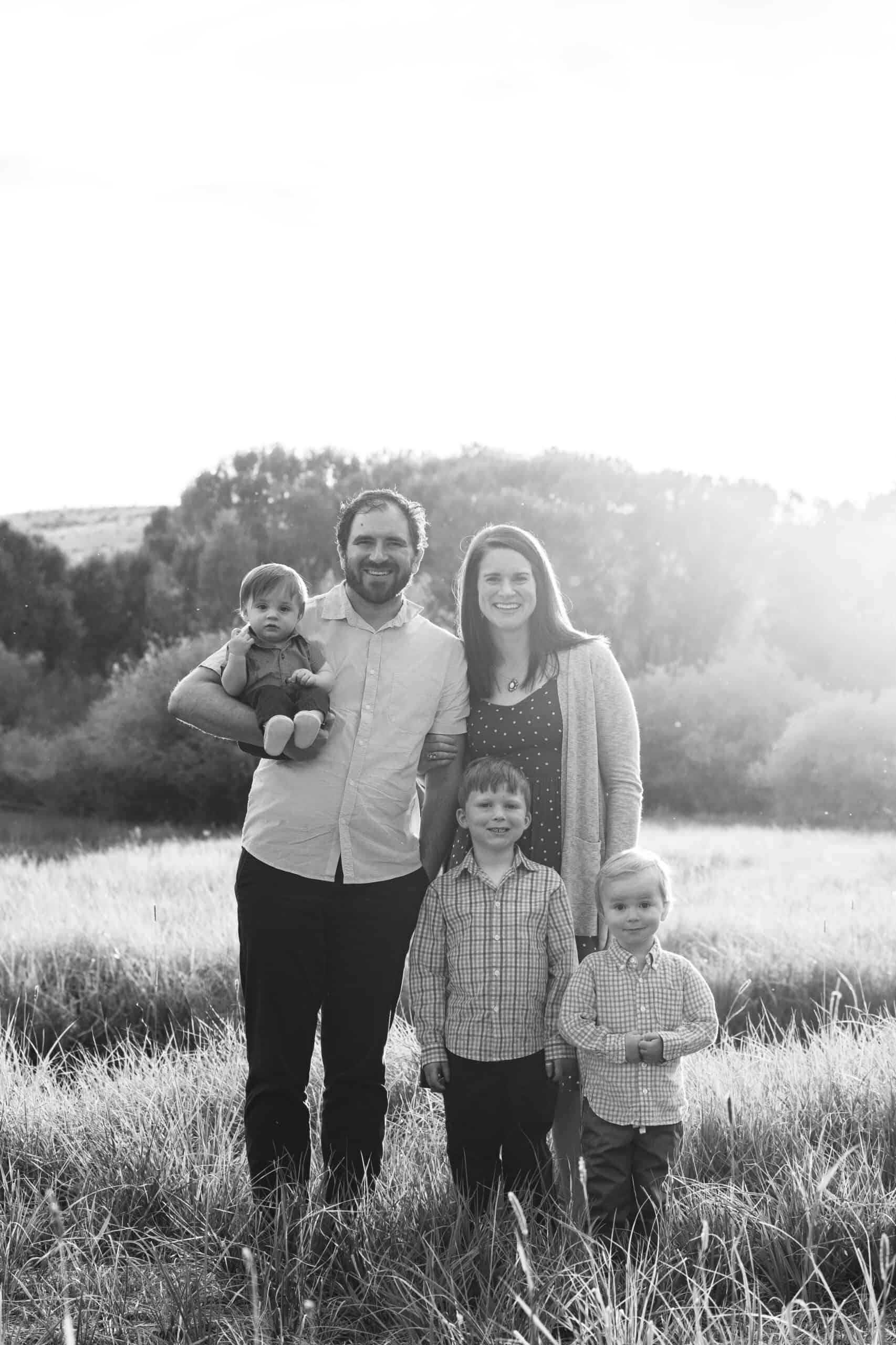
As a child in Montana’s foster care system, Ryan qualified for many public benefits, including Medicaid, WIC, and the Best Beginnings Scholarship. Through Medicaid, we were able to quickly connect with an occupational therapist familiar with feeding premature infants. She educated us on proper bottle placement and techniques to allow him to drink as much formula as he could so that he would grow stronger. His occupational therapist also worked to provide him positive sensory touch, and coach us on how to best care for him as his body and brain developed outside of the womb.

Medicaid also paid for all of his well-child check-ups. Over the course of the year that Ryan lived with us, his primary care provider helped us navigate some difficult illnesses and directed us to the proper treatments when there were milestones he was slow to meet.

We connected Ryan with the WIC program, which paid for most of his formula throughout the first year, helped track his growth and development, and provided us with nutrition support as Ryan transitioned to solid foods.
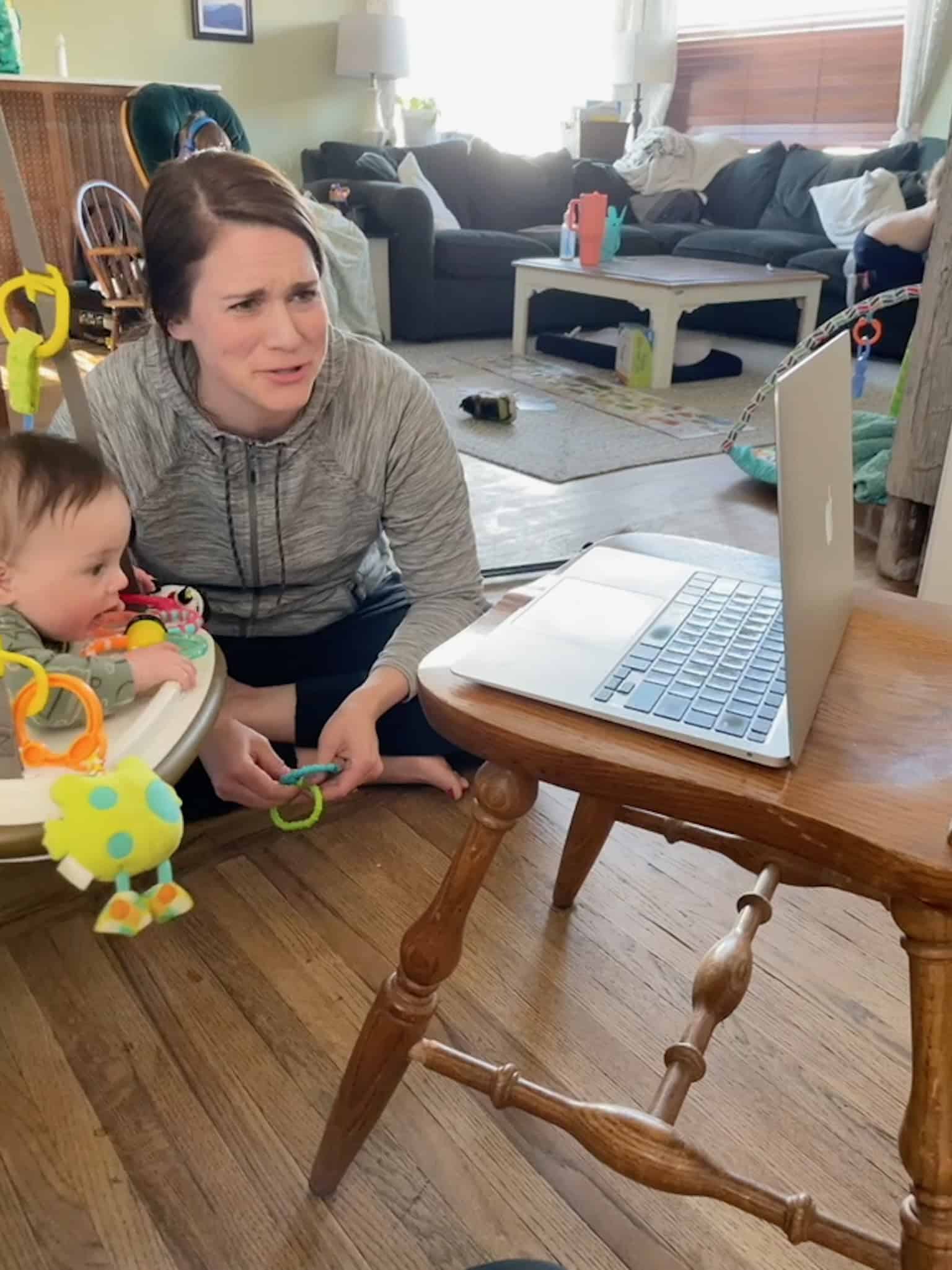
Once Ryan worked his way into a more routine schedule and got bigger and stronger, we enrolled him at a high-quality early childhood program in our community, utilizing the Best Beginnings Scholarship, a state-funded program that helps families cover the costs of childcare.

We had no idea that one of the coolest parts of fostering Ryan would be getting to know his biological parent. I remember learning that Jake had chosen to go to treatment and I literally cheered! When he asked to do Zoom visits through treatment, we were so happy to help make that happen. As soon as possible, we wanted Ryan to know his dad, and for Jake to be continually motivated by all the sweet coo’s and big brown eyes Ryan could give.

After Jake finished treatment, and in-person visits started, we got to know him even better – seeing him at least once per week. We were inspired by his hard work and dedication to both his sobriety and his parenting. He was utilizing every resource he could for himself, just as we were utilizing every resource we could to support Ryan.
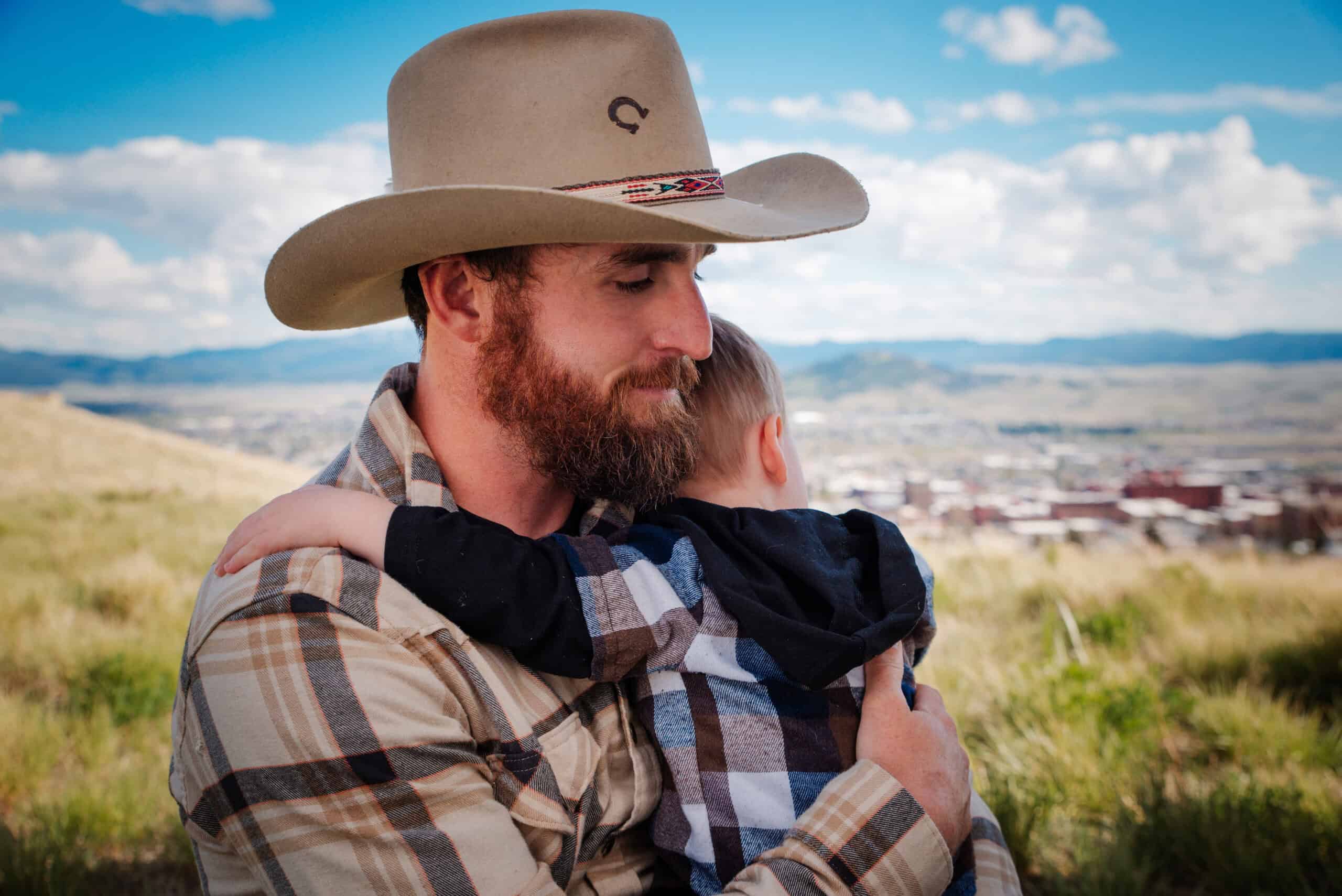
As visits progressed from “supervised” to “monitored”, and then from a day at a time to overnight, we got to witness Jake and Ryan’s bond flourish until our very final handoff. I was tearful, as I knew I was saying goodbye to the sweet little boy who had lived with us for the past 15 months. But Ryan crawled right over to Jake who picked him up. He then looked at me with a big smile and just waved. He knew he was home.


Professional photos by Highland Creative Solutions.

 

Visit hmhb-lifts.org for local resources using the search terms “Family Support & Education”, “Substance Use Disorder Treatment Providers”, and “Birthing & Parenting Classes”.


 

Prioritizing Fathers: Join PSI’s 2-Day Paternal Mental Health Training

By Dads, Dads, Parenting

Written by Adriana Reyes de Merkle, MT PSI Chapter Chair


postpartum support international Montana chapter While the world is becoming more aware of maternal mental health, fathers are often overlooked in the perinatal period. Yet, 1 in 10 fathers will experience depression or anxiety during pregnancy or the first year postpartum [1,2,3]. These challenges can deeply affect the entire family, including the emotional and developmental well-being of their children.

That’s why Postpartum Support International (PSI) is proud to offer a comprehensive 2-day training dedicated to Paternal Mental Health. This interactive and evidence-based training is designed for anyone working with fathers during the perinatal period.

What to Expect from the Training

This two-day immersive experience will dive deep into the unique mental health needs and experiences of fathers. Topics covered include:

  • Bias in Paternal, Perinatal Mental Health
  • Men, Masculinities, and Mental Health
  • The Psychology of Early Fatherhood
  • Screening and Assessment
  • Dads and PMADs (Perinatal Mood and Anxiety Disorders)

In addition to lectures and case-based learning, the training includes:

  • Networking opportunities with peers and experts
  • A powerful Fathers Panel

Why This Training Matters

The statistics speak for themselves:

  • Depression and anxiety are twice as common in expecting and new fathers compared to global estimates in men. [1,4]
  • Fathers may show different symptoms than mothers—men are more likely to report physical symptoms like sleep disturbances, headaches, fatigue, and psychomotor changes such as restlessness or muscle tension. [10,11]
  • Emotional symptoms may also present differently—many fathers exhibit irritability, anger, aggression, or withdraw from relationships. This can lead to isolation, avoidance behaviors, risk-taking, and substance use. [12,13]

Most importantly, untreated paternal mental health issues can have long-term negative consequences on child development, increasing the risk of Adverse Childhood Experiences (ACEs) and their health multiple domains. [2,8,9]

 Why You Should Attend

By attending this PSI training, you’ll gain the skills and knowledge to better serve fathers during the perinatal period, reduce stigma, and support stronger family systems. Whether you’re a clinician, advocate, researcher, or community worker, this training will equip you to recognize and respond to the mental health needs of dads with greater confidence and compassion.

Let’s break the silence around paternal mental health and create systems that support all parents.

Be part of the change and register today at: https://postpartum.net/training/paternal-perinatal-mental-health/

dad and son 

  CITATIONS:

  1. Paulson, J. F., & Bazemore, S. D. (2010). Prenatal and Postpartum Depression in Fathers and Its Association With Maternal Depression. JAMA, 303(19), 1961. https://doi.org/10.1001/jama.2010.605
  2. Ansari, N. S., Shah, J., Dennis, C., & Shah, P. S. (2021). Risk factors for postpartum depressive symptoms among fathers: A systematic review and meta‐analysis. Acta Obstetricia et Gynecologica Scandinavica, 100(7), 1186–1199. https://doi.org/10.1111/aogs.14109
  3. Leach, L. S., Poyser, C., Cooklin, A. R., & Giallo, R. (2016). Prevalence and course of anxiety disorders (and symptom levels) in men across the perinatal period: A systematic review. Journal of Affective Disorders, 190, 675–686. https://doi.org/10.1016/j.jad.2015.09.063
  4. Leiferman, J. A., Farewell, C. V., Jewell, J., Rachael Lacy, Walls, J., Harnke, B., & Paulson, J. F. (2021). Anxiety among fathers during the prenatal and postpartum period: a meta-analysis. Journal of Psychosomatic Obstetrics & Gynecology, 42(2), 152–161. https://doi.org/10.1080/0167482X.2021.1885025
  5. Fisher, S. D., & Garfield, C. (2016). Opportunities to Detect and Manage Perinatal Depression in Men. American Family Physician, 93(10), 824–825. www.aafp.org/pubs/afp/issues/2016/0515/p824.html
  6. Matthey, S., Barnett, B., Kavanagh, D. J., & Howie, P. (2001). Validation of the Edinburgh Postnatal Depression Scale for men, and comparison of item endorsement with their partners. Journal of Affective Disorders, 64(2–3), 175–184. https://doi.org/10.1016/S0165-0327(00)00236-6
  7. Edmondson, O. J. H., Psychogiou, L., Vlachos, H., Netsi, E., & Ramchandani, P. G. (2010). Depression in fathers in the postnatal period: Assessment of the Edinburgh Postnatal Depression Scale as a screening measure. Journal of Affective Disorders, 125(1–3), 365–368. https://doi.org/10.1016/j.jad.2010.01.069
  8. Singley, D. B., Cole, B. P., Hammer, J. H., Molloy, S., Rowell, A., & Isacco, A. (2018). Development and psychometric evaluation of the Paternal Involvement With Infants Scale. Psychology of Men & Masculinity, 19(2), 167–183. https://doi.org/10.1037/men0000094
  9. Pedersen, S. C., Maindal, H. T., & Ryom, K. (2021). “I Wanted to Be There as a Father, but I Couldn’t”: A Qualitative Study of Fathers’ Experiences of Postpartum Depression and Their Help-Seeking Behavior. American Journal of Men’s Health, 15(3), 15579883211024376. https://doi.org/10.1177/15579883211024375
  10. Rabinowitz, F. E., & Cochran, S. V. (2008). Men and Therapy: A Case of Masked Male Depression. Clinical Case Studies, 7(6), 575591. https://doi.org/10.1177/1534650108319917
  11. Dziurkowska, E., & Wesolowski, M. (2021). Cortisol as a Biomarker of Mental Disorder Severity. Journal of Clinical Medicine, 10(21), 5204. https://doi.org/10.3390/jcm10215204
  12. Eddy, B., Poll, V., Whiting, J., & Clevesy, M. (2019). Forgotten Fathers: Postpartum Depression in Men. Journal of Family Issues, 40(8), 1001–1017. https://doi.org/10.1177/0192513X19833111
  13. Molloy, S., Singley, D. B., Ingram, P. B., Cole, B. P., & Dye, A. R. (2021). ¡Qué Padre! Measuring Latino Fathers’ Involvement with Infants. Family Relations, 70(5), 1449–1464. https://doi.org/10.1111/fare.12543

Becoming a Dad, by Patrick Duganz

By Birth, Dads, Parenting, The Power of Story

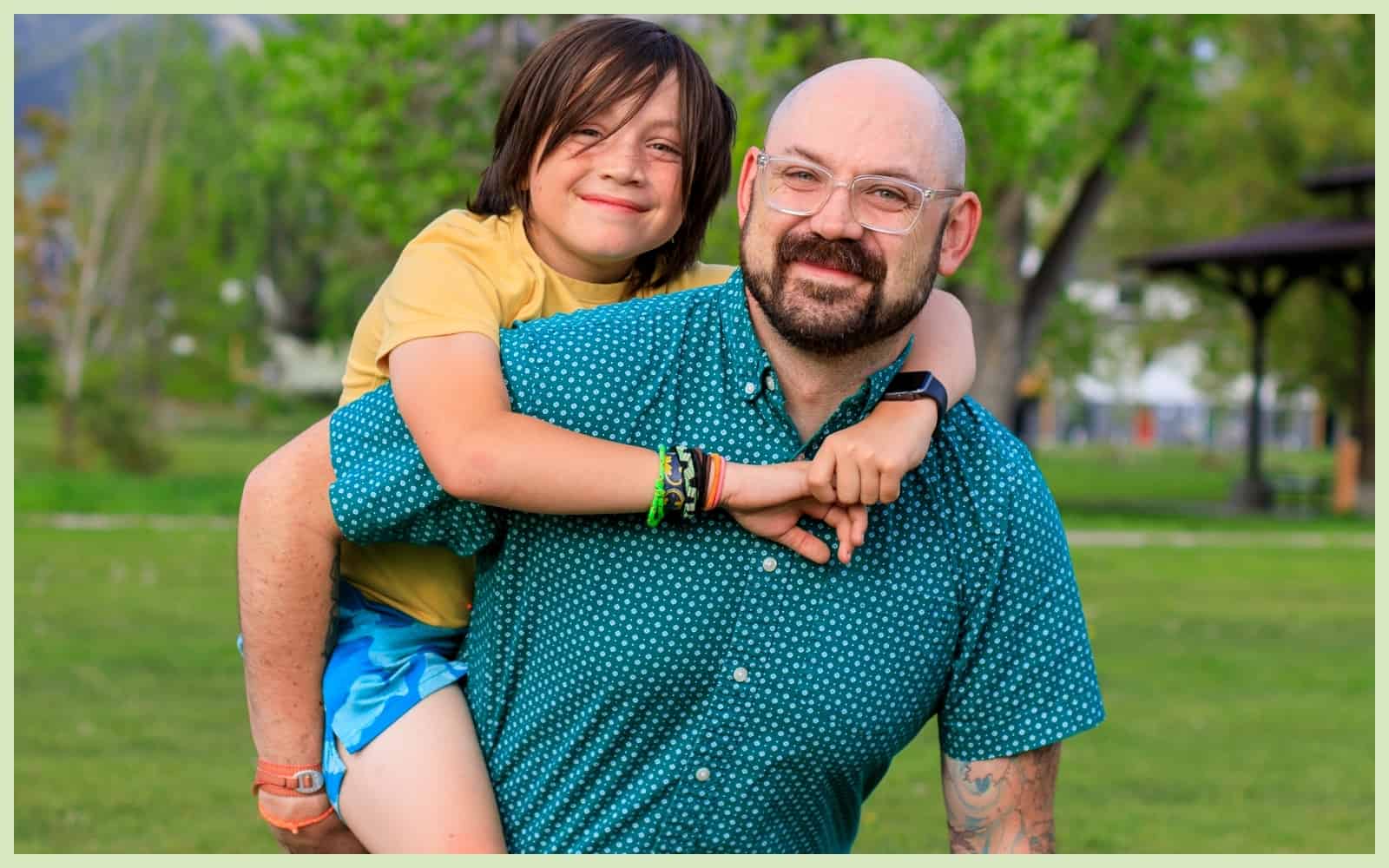
Patrick and his son pause a game of football at their local park to embrace and smile for a photo.This is a featured article from our 3rd edition of the LIFTS Magazine.  Patrick also shared his story on our Motherlove Podcast –  Season 2, Episode 19.

Becoming a Dad, by Patrick Duganz

How can you tell a joke is a dad joke? It’s apparent. For people, it’s more complicated.

I don’t think you become a dad when a kid is born. Lots of kids never meet those he people who provided their genetics. Therefore, a child being born does not make a dad. So, becoming a dad must be something more. There’s a moment when a choice is made.

I was raised by TV in the 90s, so of course I wanted to be a dad. Sure, Homer Simpson was the most popular dad, but I also had Dan Conner, Uncle Phil, Jason Seaver, and Carl Winslow. Having grown up in a “complicated” family like I did, I looked up to these dad characters and how it seemed like they always knew just the right thing to say, or do, whenever a problem arose.

So years down the road, when we considered starting a family, I was pro “let’s have a kid”. My son is the outcome of a meticulously planned pregnancy process. We read books and went to a several-months-long birth class where we were free to ask any and all questions. We found a duo of midwives who his mom and I liked and who would, eventually, facilitate the birth. I was at every appointment, tracking our mixed-up RNA as it grew into something an ultrasound tech could identify. His mom wrote out a detailed and extensive birth plan and we carefully reviewed it with our midwives. We were going to go with the Bradley Method – a drug-free, low- intervention process.

If such a birth sounds intimidating to you, just understand that my son’s mom is fearless, and has a pain threshold far beyond us mortals. That’s how she was able to face 22 hours of labor starting and stalling before our midwife delicately advised that we might need to consider making a few changes to our very particular plan. From there, as is common, things got more complicated.

An annoyed anesthesiologist arrived in flip-flops to administer an epidural, and delivered a few doses of Pitocin. After several intensive interventions plus one final delay from shoulder dystocia, our son was here. It had been 25 hours.

The process of his birth was difficult for all involved. His initial Apgar score was low and his mom was exhausted. I felt useless and helpless as my son and his mom faced this incredible task of birth. Obviously, my experience pales in comparison to what she went through, and it feels wrong to say it was hard for me too. But it was terrifying to be that helpless when my family faced a crisis. I didn’t even know what “Apgar” meant.

But both were okay.

My son was the largest baby born at Bozeman Health Deaconess Hospital in 2013. I know this because, in those days, the nurses kept a sandwich board of height and weight statistics just outside of the nursery. While holding my newborn, I watched our nurse wipe away the high score of some smaller baby and replace it with the new champion: Baby Duganz at 10 pounds, 11 ounces, and 22 inches in length.

I remember thinking that he was a miracle, and that he was terrifying.

I was 28 and in the hours after his birth, it began to occur to me that I had no idea how to handle a baby. No idea how to comfort. No idea about needs. No idea about cues. No idea about anything because most of the books told me to, “follow mom’s lead.” So, as the nurses took his mom to recover after her feat, I realized the awful situation unfolding.

“You’re not leaving me alone with him, are you?”

“Yes,” a nurse said. A door shut behind her, and we were alone.

He cried. I cried.

Eventually, he ran out of energy and fell asleep in my arms. I felt like I’d failed my first test as a dad. My baby had to exhaust himself to find peace. Oof.

As we sat there alone, waiting for whatever was next, I was nearing 48 hours without sleep and started thinking of random nonsense until my brain fell on lighthearted fare like The Road by Cormac McCarthy. It’s a father and son story set in a post-apocalyptic world. There’s a bit near the beginning that stuck out to me when I first read it: “[T]hey set out along the blacktop in the gunmetal light, shuffling through the ash, each the other’s world entire.”

Each the other’s world entire. Heady stuff to consider, but that’s what my anxious and sleep-deprived brain spat out as I worried about who I’d be as a dad. Is the role of a dad to be the leader after a calamity? Is it more? Changing diapers? Making Money? Baseball coaching?

“I’ll get better,” I said to my kid, just hours old.

Like most men, I didn’t get paternity leave. However, my employer at the time did kindly lay me off for two weeks so I could go broke while learning basic parenting tasks like diaper changing and swaddling. The kid mostly breastfed and slept, with some interruptions from me to change his diaper, or swaddle him. I brought his mom water and snacks.

Soon I was back to work. The two of them were alone at home. It seemed like he’d change between the hours when I left and when I’d return. He was a new person every day and I was missing it. I began to feel useless to my family’s needs just as I was beginning to understand how to be useful.

This, of course, was a symptom of my own postpartum depression which is more common than most people want to talk about. I’d later learn that 1 in 10 dads experience similar thoughts and feelings during this time. Since I was still so focused on my time at work, I was ignoring these symptoms and was, unfortunately, unable to recognize that his mom was dealing with similar symptoms during the 10-12 hours I was gone each day.

When his mom returned to work a few months later, I adjusted my schedule to be home with our son on Mondays and Tuesdays so we could save on daycare. With her at work, the kid and I suddenly had 16 terrifying hours together. From what I’d been told, parenting was so good you could set a laugh track to it. Instead, mine felt like an episode of Lost, complete with decoding cryptic messages (infant cues) that were crucial but made no sense to me. It took weeks to even begin to understand just what the hell I was doing. I had missed a lot by going back to work.

But I had made a promise to him. So, I worked on it. It wasn’t fun or easy.

All of this is to say that the question “When does a guy become a dad?” remains complicated. Maybe it was that first night, but to me it’s waking up every day and making a choice to try and be better than yesterday. I try to engage with what he’s into. I try to lead my son through the calamities of everyday existence – a rude kid at school, his parents divorcing, or the frustration of losing at Rocket League. I try to be a better dad, and a better man. That’s the choice I make.

In that way, I become a dad every day.

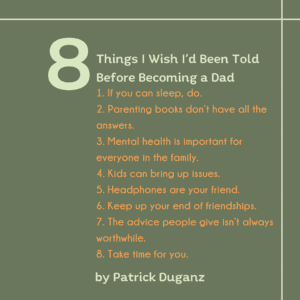
A graphic displaying a list titled '8 Things I Wish I Knew as a Dad'. The text is bold and centered, with each item numbered sequentially. The background is likely a neutral color to enhance readability

Visit: https://hmhb-lifts.org/ services page and use the term “dads” for support groups and resources specifically for fathers and “counselors” or “mental health providers” if you or a dad you know is experiencing similar symptoms like depression or anxiety.

To learn about Patrick’s work as a Fatherhood Engagement Specialist and read more of what he’s written visit: https://www.healthygallatin.org/family-health/for-dads/