Category

Community Support

Stepping into a new season of storytelling

By Caregiving, Community, Community Support, Early Childhood, Maternal Mental Health, Parenting, The Power of Story

By Gwyneth Hyndman, HMHB Storytelling Coordinator 

I place Hamnet on my knee at page 207 and stare beyond the wing of the Boeing 737 window. My face is wet with tears I wipe away with a sweatshirt sleeve, feeling everything that powerful stories ignite.

Icy peaks of the Gallatin Range and Tobacco Root Mountains rise through the clouds, thousands of feet below as we head south and west towards the Pacific Ocean. I give Maggie O’Farrell’s imagined backstory of Shakespeare’s tragedy a pause so I can pull it together, accept the tissue handed to me from the woman in seat 27 B, and remind myself I’m only gone five days and that traveling alone right now is a luxury.

Instead, the ache to hold my daughters is almost gravitational.

Flying solo with Jessie and Eliza, now 6 and 4, were some of our first bonding moments. I had more than 40 years of travel on my own before I became a mother. After four pregnancy losses, I suspect part of me held back from planning beyond nine months. Both births became C-sections. I was never able to breastfeed successfully. I shook off fumes of failure every time I stood in the checkout line with baby formula at our local grocery store. But flying with each of them at six weeks old to visit my parents in California, watching skies, mountains, oceans, their sea shell earlobes and twitching noses as they slept in my arms, undisturbed by the world below, as the turbulence worked its magic, was like we were finding our footing. Up here, it was safe to fall in love with this new life in my arms, without feeling like I was tempting fate.
O’Farrell’s words were a reminder that this rose-hued season – with all its conveniently forgotten exhaustions, frustrations and nightmare toddler travel tales to come – is behind me now. And if you’ve read Hamnet, or watched the stunning film adaptation as it soars through the 2026 awards season, you’ll be aware that it is a guide through the darkest places a parent can walk.

Hamnet is a reminder that storytelling – both the story, and the telling of it – is illuminating.

In my first few weeks as the Storytelling and Engagement Coordinator for Healthy Mothers, Healthy Babies, I’ve made my way through half a decade of storytelling in Montana. I’ve cried while washing dishes and listening to “EnduringLoss with Emily Tosoni” in the first season of the Mother Love/LIFTS Podcast. I’ve stood in the middle of my office and said “Huh,” out loud to no one in particular, when a statistic hit home in the “Mining City Stories” series of Season 4. I’ve allowed myself to be unsettled and angry while watching Siloed, a documentary on the disparities in maternal healthcare in rural Montana, and more than once, as first-person narratives were shared in the last five years of our LIFTS Magazine, thought: Hey, me too.

Stories don’t just bring us to tears and leave us there. They can move us to take action. They ask that we clarify our purpose and at their best, face and explore our fears.

For those of us reading on our couch during naptime, or listening in our cars, stories can be ports in a household storm, a stolen hour of stability and connection in the chaos and devastation of the world outside.

For the storyteller, the very art is like dumping a purse all over the floor to sort out what’s actually been buried in there. We make decisions on what’s treasure and what’s trash every time we pick up a pen or open our laptop.

What do I hold on to? What can I throw in the garbage to make this handbag a little less heavy? What can I share that might be valuable?

As the team at Healthy Mothers, Healthy Babies sits down to map out our 2026 season of the LIFTS Podcast, and look ahead to the 6th annual issue of our LIFTS Magazine this summer, I’m honored to step into a role that Claire and Emily established and shaped with such respect, trust and tenderness, bringing our rich stories across Montana to the page and podcast.

If you have any thoughts on topics, issues and policies that you believe are important to parents, caregivers and providers in our state, you can reach me at gwyneth@hmhb-mt.org

And as always, we welcome your story submissions at stories@hmhb-mt.org

I’m so thrilled to read and hear your words in the months to come,

Gwyneth
LIFTS Out Loud: Ryan’s Journey Home

By Caregiving, Community Support, Dads, Early Childhood, Parenting

By Callie Triller & Jake Maher

This story appears in the 5th Annual LIFTS Magazine, where Montana parents share honest experiences about connection, resilience, and the journey through early parenthood.

By Jake:

Before my son Ryan was born, my life was spiraling out of control. I wasn’t a productive member of society, and was just lost. I was in jail when I discovered I’d become a dad, and Ryan’s mother and I were no longer together.

I eventually got into the drug court program, and went to treatment, and that’s when Callie and her family got involved as foster parents.
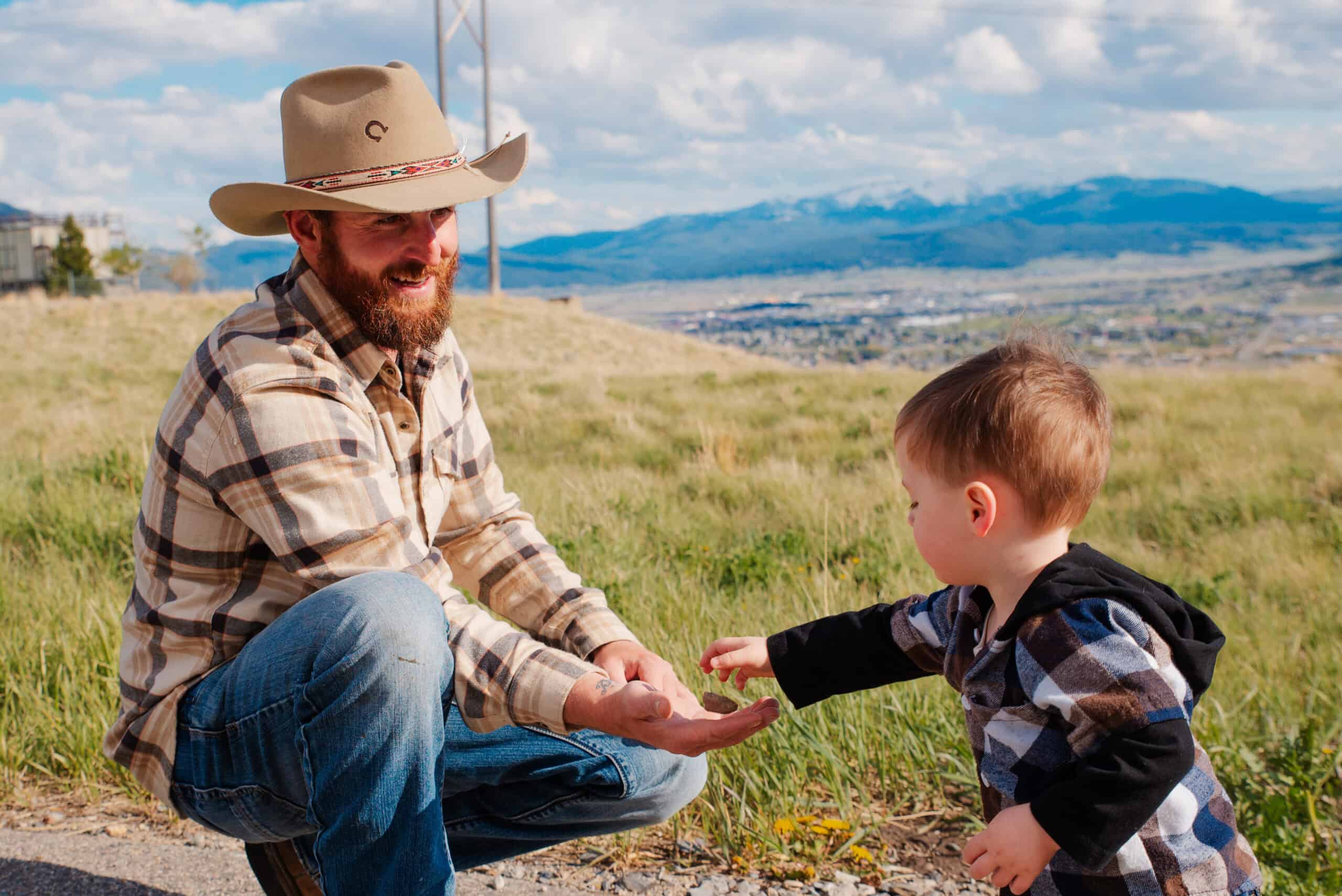
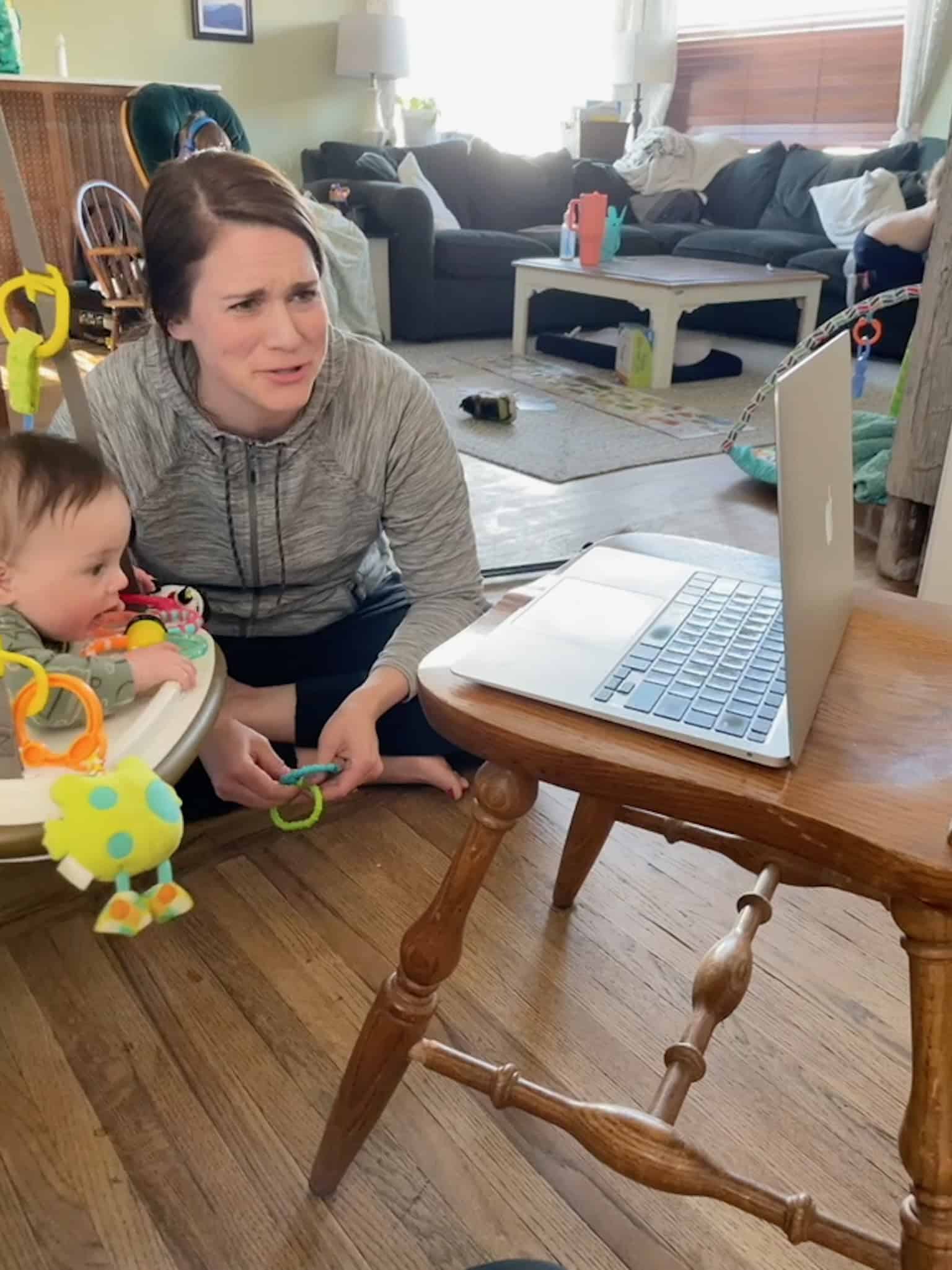
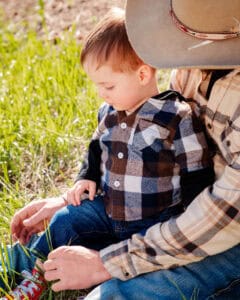
I started doing weekly video calls with them, which Child Protective Services (CPS) encouraged. Callie sent me a notebook and a pen, and said if you want to write a letter to Ryan, we’ll read it to him, so I did. She and her family were so supportive of me. They sent care packages while I was in treatment, they sent pictures and a photo album, and wrote to me about what it had been like since the day they got him. They saw me as a person who was struggling and needed a lot of extra encouragement, and were always helping work towards the goal of reunification. When I got back from treatment, Callie would drive Ryan to me for my supervised visits, twice a week for an hour each.

I took parenting classes, got enrolled in an intensive outpatient program, and went to 12-step meetings. Ryan was the reason I didn’t give up. I didn’t really look at that as an option at that point. I just wanted to be with him.

When he finally came to live with me, I continued these efforts, attending recovery meetings and taking every parenting class that I could. I wasn’t court-ordered to do these things, but felt it was necessary to keep me on the path that I was on. I wanted to take full advantage of every opportunity I could that would give me greater chances of having Ryan permanently. I’ve learned that the more you put into something, the more you get out of it. That’s why I went all out, and did everything I possibly could to better my chances of getting him back. I work full-time, Monday through Friday, and Ryan goes to daycare. He’s just started walking, and has been communicating more. It’s not so much like a guessing game anymore – he can actually let me know what he wants. The communication between the two of us, growing together, and having the bond that we do is a huge win.

Eighteen months ago, I never would’ve thought that I’d be where I am today.

By Callie:

When we started fostering, we knew we would need every resource at our disposal. With every placement, it held true – we needed friends, babysitters, doctors, and community to support us so we could love and support each child who walked in our doors. Baby Ryan was no exception. He came to us straight from the NICU after a pre-term birth, and we immediately enlisted as many friends as we could to take turns holding and rocking him, knowing he needed all the love we could provide.

As a child in Montana’s foster care system, Ryan qualified for many public benefits, including Medicaid, WIC, and the Best Beginnings Scholarship. Through Medicaid, we were able to quickly connect with an occupational therapist familiar with feeding premature infants. She educated us on proper bottle placement and techniques to allow him to drink as much formula as he could so that he would grow stronger. His occupational therapist also worked to provide him positive sensory touch, and coach us on how to best care for him as his body and brain developed outside of the womb.

Medicaid also paid for all of his well-child check-ups. Over the course of the year that Ryan lived with us, his primary care provider helped us navigate some difficult illnesses and directed us to the proper treatments when there were milestones he was slow to meet.

We connected Ryan with the WIC program, which paid for most of his formula throughout the first year, helped track his growth and development, and provided us with nutrition support as Ryan transitioned to solid foods.

Once Ryan worked his way into a more routine schedule and got bigger and stronger, we enrolled him at a high-quality early childhood program in our community, utilizing the Best Beginnings Scholarship, a state-funded program that helps families cover the costs of childcare.

We had no idea that one of the coolest parts of fostering Ryan would be getting to know his biological parent. I remember learning that Jake had chosen to go to treatment and I literally cheered! When he asked to do Zoom visits through treatment, we were so happy to help make that happen. As soon as possible, we wanted Ryan to know his dad, and for Jake to be continually motivated by all the sweet coo’s and big brown eyes Ryan could give.

After Jake finished treatment, and in-person visits started, we got to know him even better – seeing him at least once per week. We were inspired by his hard work and dedication to both his sobriety and his parenting. He was utilizing every resource he could for himself, just as we were utilizing every resource we could to support Ryan.

As visits progressed from “supervised” to “monitored”, and then from a day at a time to overnight, we got to witness Jake and Ryan’s bond flourish until our very final handoff. I was tearful, as I knew I was saying goodbye to the sweet little boy who had lived with us for the past 15 months. But Ryan crawled right over to Jake who picked him up. He then looked at me with a big smile and just waved. He knew he was home.


Professional photos by Highland Creative Solutions.


Visit hmhb-lifts.org for local resources using the search terms “Family Support & Education”, “Substance Use Disorder Treatment Providers”, and “Birthing & Parenting Classes”.


MTPAL: One Number, Two Programs—Empowering Healthcare Providers for Moms and Kids

By Community Support, Maternal Mental Health

Thanks to Shawnalea Chief Goes Out, Perinatal Health Program Officer for the Member Health Management Bureau of the Health Resources Division, for authoring this guest post!

In Montana, healthcare providers now have a powerful new tool to support maternal and pediatric mental health through the Montana Psychiatric Access Line (MTPAL). Combining two vital programs—MTPAL for Moms and MTPAL for Children—this initiative expands access to expert consultation, resources, and training, ensuring that both mothers and children receive timely, high-quality care for behavioral health concerns.

One number, two programs.

PRISM for Moms and MAPP-NET is now Montana Psychiatric Access Line (MTPAL). Access perinatal and pediatric mental health care services at MTPAL.org or 1-844-40-MTPAL or 1-844-406-8725.

The MT PAL program is a comprehensive initiative designed to enhance the capability of health care providers in both maternal and pediatric settings. MTPAL for Moms focuses on expanding providers’ capacity to screen, assess, treat, and refer patients for maternal mental health and substance use disorders during or after pregnancy, ensuring holistic care for maternal well-being. Simultaneously, MT PAL for Children aims to integrate behavioral health into pediatric primary care, utilizing telehealth modalities to offer high-quality and timely detection, assessment, treatment, and referral for children and adolescents with behavioral health conditions. Both facets of the program emphasize the use of evidence-based practices and methods, striving to deliver effective and accessible health care for mothers and their children.

  • Training and Education for Treatment for Healthcare Professionals
  • Telehealth Consultation and Referral
  • Resource for Healthcare Professionals

Announcing MTPAL for Moms Learning Hub

Each month, our expert hub publishes didactics to empower clinicians in evidence-based best practices in the care and treatment of pregnant and postpartum patients who have mental health concerns. All trainings are presented free of charge to Montana healthcare professionals.
Simply sign up on MTPAL.org to join our list and access the first training – Understanding Perinatal Mental Health: Prevalence, Risks, and Impacts.

Join us March 18,19th in Helena, MT for our combined Perinatal and Pediatric Mental Health Symposium https://www.umt.edu/pediatric-mental-health-symposium/ .Here we will be launching our new MTPAL Psychiatric Access Line along with providing great training and learning opportunities.

2024 HMHB Year in Review

By Community, Community Support, Early Childhood, Montana Early Childhood Coalition, Native American Initiatives, Published Work

With the close of 2024, we’re reflecting on a year filled with meaningful milestones, new connections, and impactful work at HMHB-MT. From expanding our team to strengthening collaborations, this year has been one of growth and inspiration. Join us as we look back on some of the highlights that made 2024 so remarkable!

January

We started the year strong with a team retreat in Helena, welcoming two new team members: Hollin Buck, Program Manager and Lauren Johnson, Director of Communications and Outreach.  Together, we set our intentions for the year and bonded through team-building activities.
Dr. Amy Stiffarm traveled to Washington, D.C., to meet with HRSA (Health Resources & Services Administration) officials, sharing valuable insights about our collaborative work with state partners.

February

HMHB Team members attended The 2024 Montana Winter Institute on Improving Public Health through Positive Experiences, learning about the impacts of supportive and caring experiences for child and families and how communities can support them.

Claire Larson continued to craft new episodes of the Mother Love podcast, featuring powerful stories from mothers and care providers across Montana.


March

We put more momentum behind our Look Closer public messaging campaign, working to decrease negative biases around perinatal substance use disorders. This free, downloadable campaign fosters kindness and compassion, encouraging those struggling with unhealthy substance use to ask for help and for providers who may serve them to meet those requests with understanding.

Dr. Amy Stiffarm took the lead in organizing a series of Indigenous doula networking events, strengthening connections and support for Indigenous birth workers.

April

We were thrilled to have our article, “A Strategy to Support Perinatal Mental Health by Collaborating With Tribal Communities in Montana,” published in Health Affairs’ April issue. Co-authored by Dr. Amy Stiffarm, Stephanie Morton, Dawn Gunderson, and former Executive Director, Brie MacLaurin, this piece highlights critical work in improving maternal mental health.

May

May brought bittersweet farewells as we said goodbye to Claire Larson, who released her final episode of the Mother Love podcast.
This month we were especially grateful for funders and supporters. We celebrated receiving a grant from the Women’s Foundation of Montana, allowing HMHB to begin more formally support building the doula and birth worker workforce in Montana.  The Helena Exchange Club and Gulch Distillers generously hosted a pint night fundraiser on our behalf for Mother’s Day.

Dr. Amy Stiffarm also collaborated with the Family Medicine Residency of Western Montana to enhance understanding of Indigenous perinatal cultural safety.

June

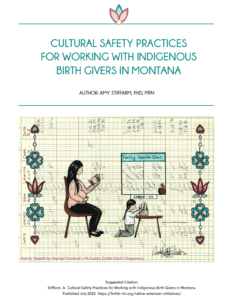
Dr. Amy Stiffarm unveiled an updated version of the Cultural Safety for Indigenous Women and Birthing People Toolkit, offering vital resources for providers supporting Indigenous families during the perinatal period.
Several staff members attended The Montana Healthcare Foundation’s 2024 Symposium as part of our work on the Meadowlark Initiatives. We also participated in Early Childhood Strategic Planning hosted by the Early Childhood and Family Services Division of DPHHS.

Our Essentials Program received $35,000 from the Otto Bremer Trust Community Responsive Fund at Montana Community Foundation. These funds will help us to continue distributing safe sleep kits and car seats to family support providers across the state, to provide to families and caregivers, giving them the essential tools and information they need to care for their children. Through the Essentials program, in 2024 we distributed 363 safe sleep kits; 420 car seats; and served 527 unique families across Montana.


July

We convened an in-person meeting of the Montana Early Childhood Coalition alongside our coalition co-conveners, The University of Montana Center for Children Families and Workforce Development and Zero to Five.  We also co-hosted a day long training with our partners in the Injury Prevention Bureau at DPHHS, called Resilience Rising: Navigating Through Adversity and Cultivating Positive Childhood Experiences.

August

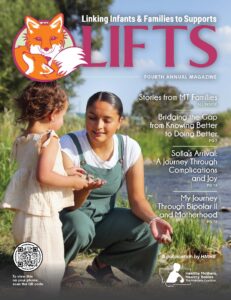
The fourth annual edition of LIFTS Magazine was published, featuring stories from Montana parents and caregivers sharing about how asking for help has transformed the lives of Montana families. With 14,000 copies distributed to nearly 100 sites statewide, this edition continues to inspire and inform about when getting help, helps.

Dr. Amy Stiffarm delivered a keynote address at the inaugural Indigenous Milk Medicine Conference, a keystone event for Indigenous maternal and child health.

September

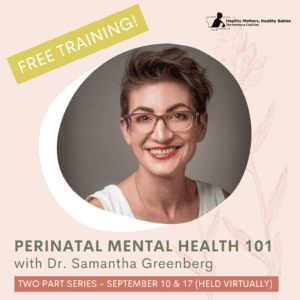
We hosted Dr. Samantha Greenberg’s virtual Perinatal Mental Health 101 series—a free webinar designed to raise awareness among Montana professionals about perinatal mental health.

The Montana Home Visiting Coalition, co-convened The Home Visiting Summit with the Early Childhood and Family Services Bureau of DPHHS. This provided an opportunity to connect with passionate home visitors through training and shared experiences.

This year, we dedicated significant time to improving the back end of our LIFTS Online Resource guide, focusing on making the overall experience more user-friendly. This fall, we were excited to

complete several meaningful updates and look forward to continuing to expand and enhance the capabilities of LIFTS.

October

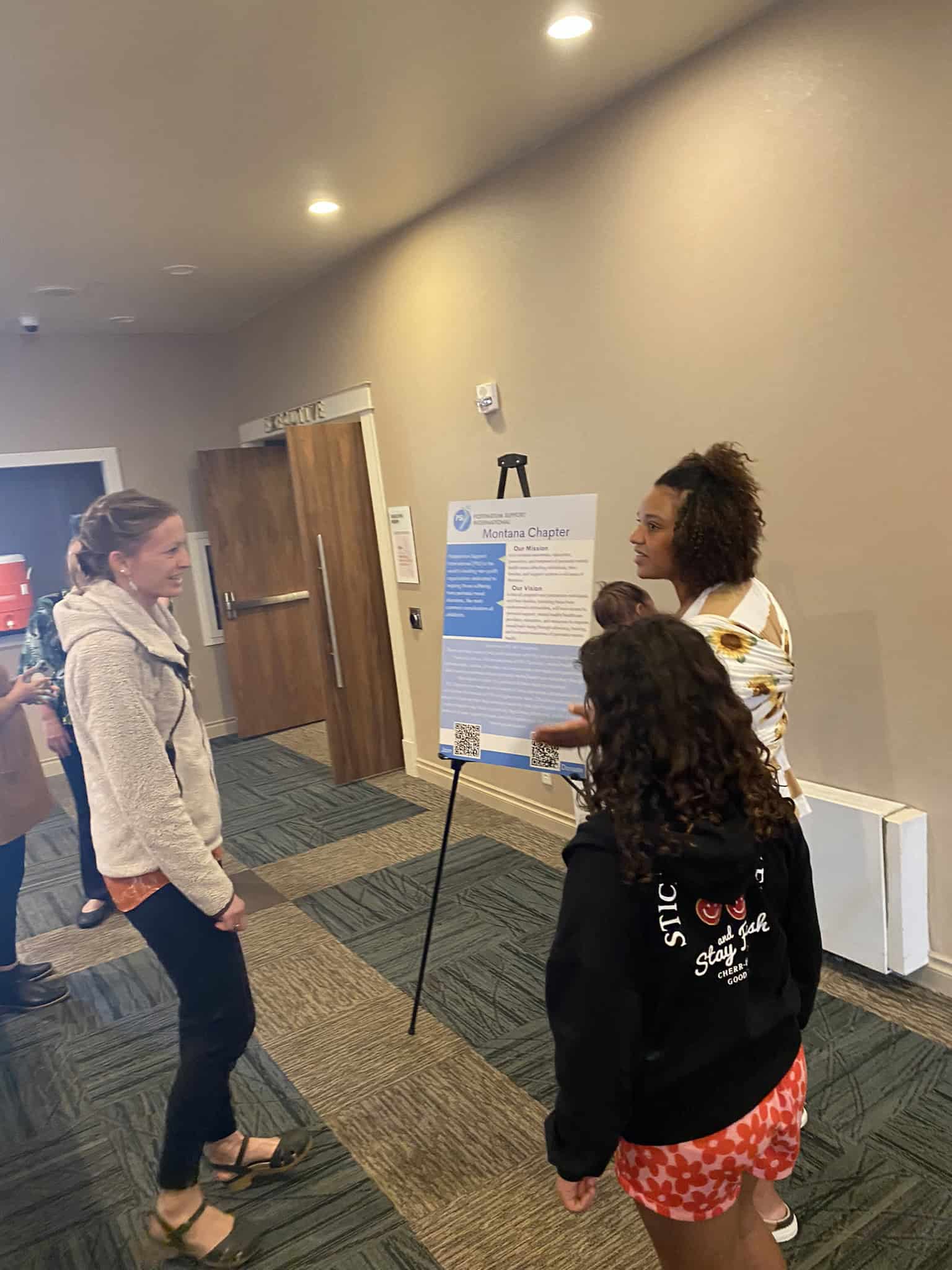
Our 2024 Perinatal Mental Health Conference returned to an in-person format in Helena, reuniting partners from across the state. Nearly 200 providers, advocates and system champions gathered to learn and celebrate together. A standout moment was the screening of the impactful documentary film, Siloed, and the addition of poster sessions featuring local level work from around Montana.

We also received incredible news of funding from the Arthur M. Blank West Foundation, to support our storytelling work and build a strong administrative foundation for our growing organization.

November

We were thrilled to welcome two familiar faces to our team: Chelsea Bellon as the Native American Initiatives Program Manager and Emily Freeman as our new Storytelling Coordinator. We were excited to welcome their expertise and passion to our team.

Dr. Amy Stiffarm returned to Washington, D.C., to address the 2024 Tribal Prenatal-to-Three Policy Agenda, spotlighting critical issues facing AI/AN mothers, children, and families.

December

Stephanie Morton represented HMHB at the NCIT Paid Family & Medical Leave Education Initiative Convening and PN3 Policy Impact Center’s Great Opportunities, Great Progress event in Denver.

HMHB worked closely with Montana Doula Collaborative, Indigenous Birth workers network and state and national experts to draft a bill to create a state certification for doulas and birth workers, a key step to expanding access to these critical supports during and after pregnancy.

As we wrapped up 2024, we looked ahead to the 2025 Legislative Session the much-anticipated release of the fourth season of the Mother Love podcast in January, and continuing to build and deepen relationships to support the collaborative and impactful work of building a better system to improve the lives of moms, babies and families in Montana.

Looking Ahead

2024 was a year for HMHB filled with growth, collaboration, and impact. We are energized to carry this momentum into 2025 as we continue to support the work and partners helping Montana families.


I Can Do This by Kelsie Christensen

By Birth, Community, Community Support, Parenting, pregnancy, Self-compassion, The Power of Story

This is a featured article from our 4th edition of the LIFTS Magazine.  

I Can Do This

By Kelsie Christensen

“You’re an adult woman, you can do this!” my husband Bob says over the phone from 1,500 miles away, as I dress our four-month-old son, Emmett.
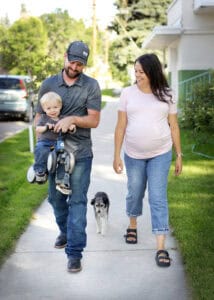
“I’m so nervous,” I reply. “I don’t know any of these people.”

There are many things I didn’t expect as a new mom, forced mom outings being one of them.

If only my anxiety would calm down.

The sun is setting as I load Emmett into the car, still on the phone with Bob. “Who knew free dinner would be such a driving force to get me out of the house?” I joke. “New mom life.”

We arrive at the old brick school where the moms group is held, and I strap Emmett into the front pack. “I’ll call you when we’re heading home,” I tell Bob as we hang up.

Walking down the ramp into the building’s basement, I feel nauseous. “We can do this, right buddy?” I ask Emmett.


I hear kids playing and moms chatting from down the fluorescent-lit hall. I take a deep breath and walk in. Moms are on the left by a big table covered with taco fixings. Kids are to the right playing in a padded area with so many toys and activities. Emmett will LOVE this place when he gets bigger, I think.

With Emmett still strapped to my chest, I get some food and walk to another room, where I sit down at a plastic folding table with ten other women, a huge ball of anxiety in my stomach. What do I even talk about? My whole world revolves around this tiny person. Am I even interesting anymore?

Turns out they can relate.

I chat with a mom of two whose husband is also a truck driver. I ask if being a trucker’s wife with kids ever gets easier. “Kind of…not really,” she answers. At least she’s being honest.

The woman sitting next to me has a baby girl strapped to her as well – a three-month old, she tells me. We exchange numbers so we can meet up for a walk, and have another adult to talk to. I feel my anxiety lessening.

After two hours, I walk outside into the dark. I can’t wait to call Bob and tell him how it went. I can’t believe I had the guts to go – to meet new people, and to take Emmett along to something that’s actually for me. I plan to go again next month. I appreciate knowing I’m not alone and now have a community I can turn to.

I am an adult woman, I think to myself, as I strap Emmett into his car seat. And I can do this.   


Visit hmhb-lifts.org for local resources using the search terms “Birthing and Parenting Classes” and “Support Groups”.

7th Annual Perinatal Mental Health Conference Recap

By Community, Community Support, Maternal Mental Health, Perinatal Substance Use Disorders, Self-care

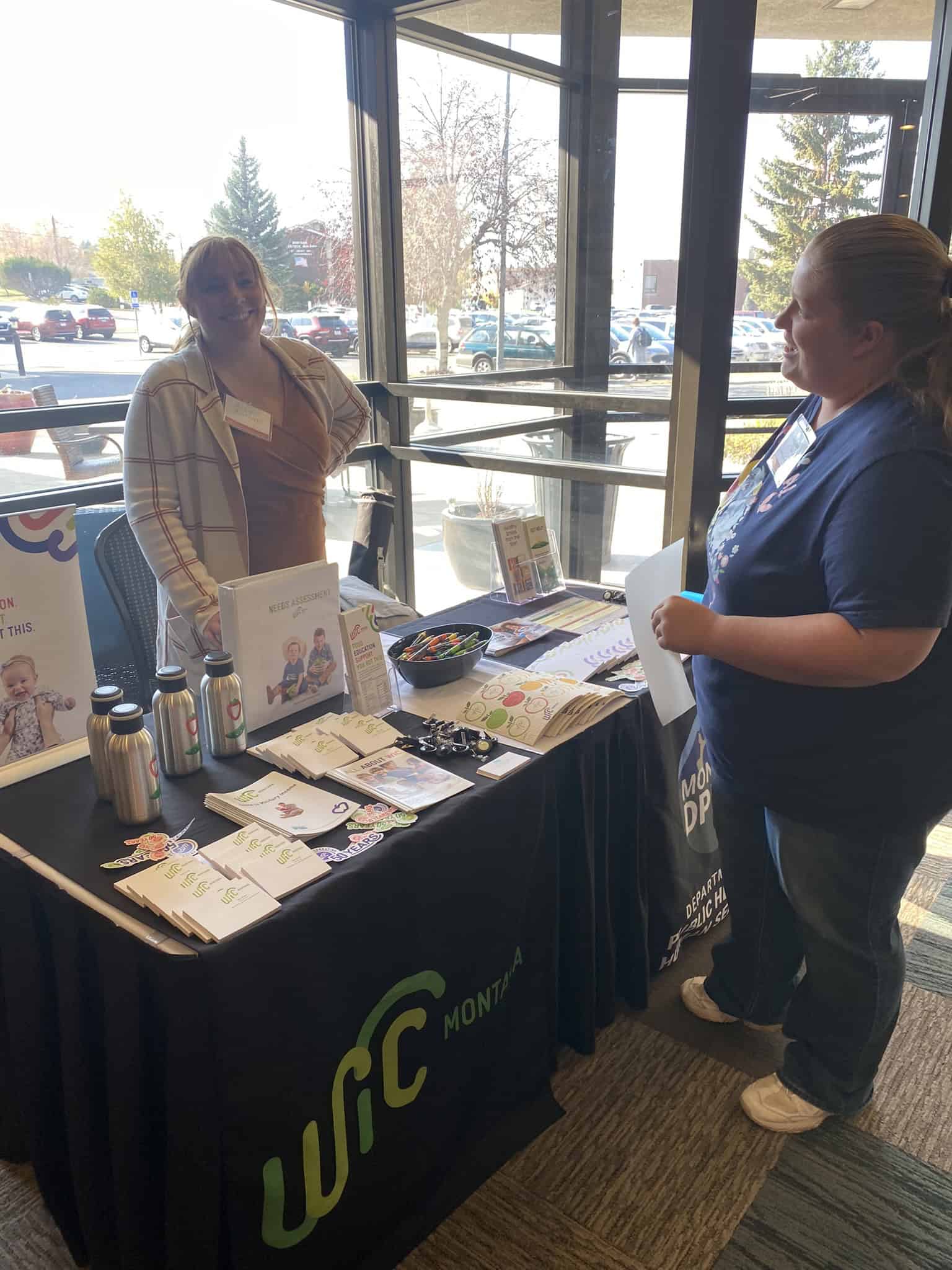
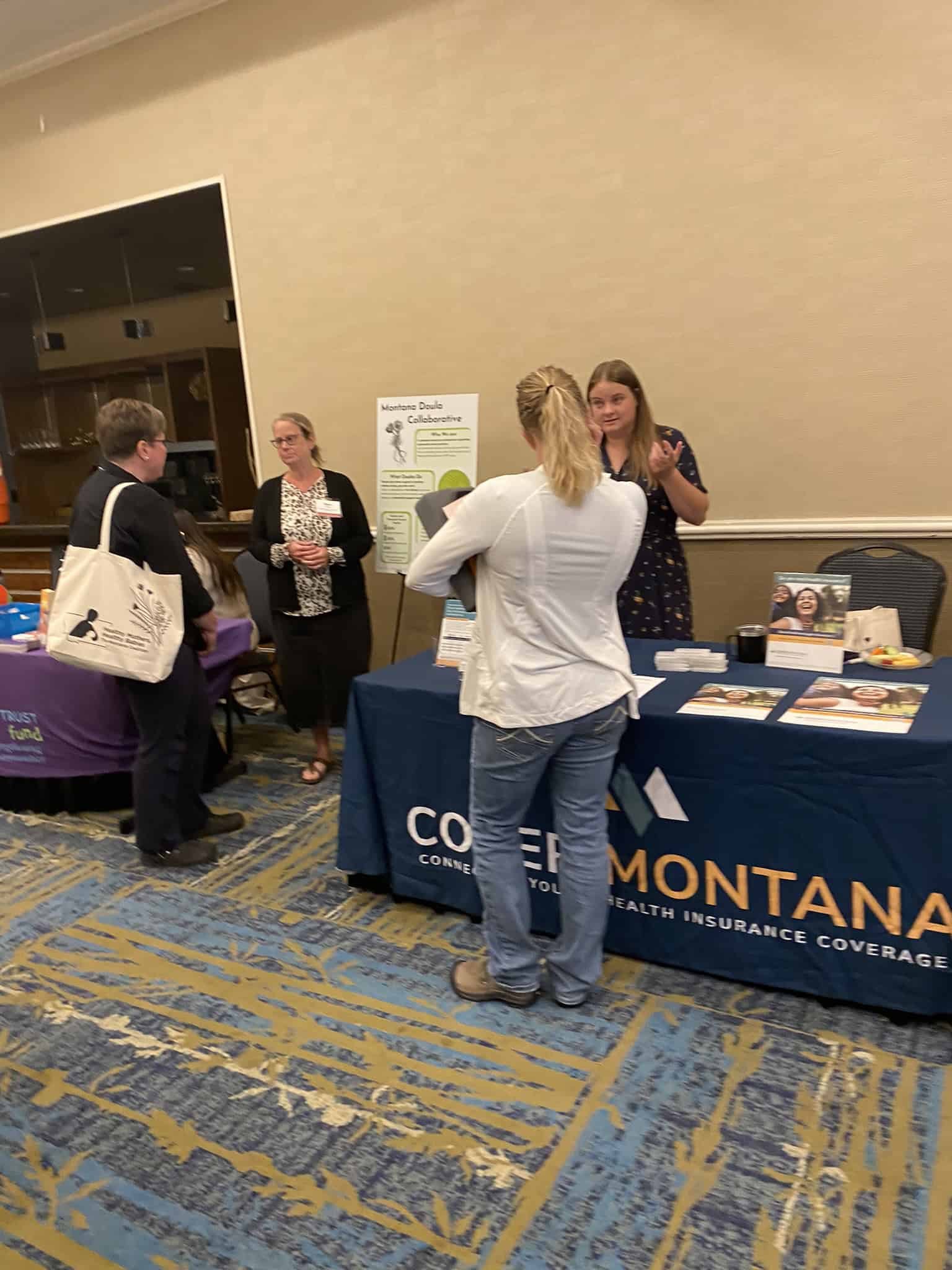
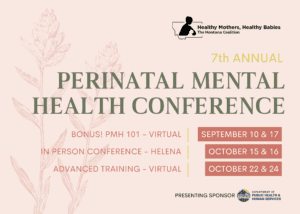
The HMHB team is grateful for the opportunity to reflect on the 7th Annual Perinatal Mental Health Conference. Returning to in-person convening, we valued the chance to connect face-to-face with participants, speakers, partners, exhibitors, and sponsors. We also enjoyed moments of virtual connection and were thankful to balance in-person and online options for people working across the state of Montana to support perinatal mental health. Our heartfelt thanks go to everyone who gathered in person or online to make this event meaningful.

Perinatal Mental Health 101

The conference kicked off in September with two bonus Perinatal Mental Health 101 sessions led by Dr. Samantha Greenberg. These foundational sessions provided valuable insights for individuals new to the perinatal mental health field or those looking to deepen their understanding of the basics. Dr. Greenberg’s content remains accessible to all on the HMHB website.

 In-Person Conference

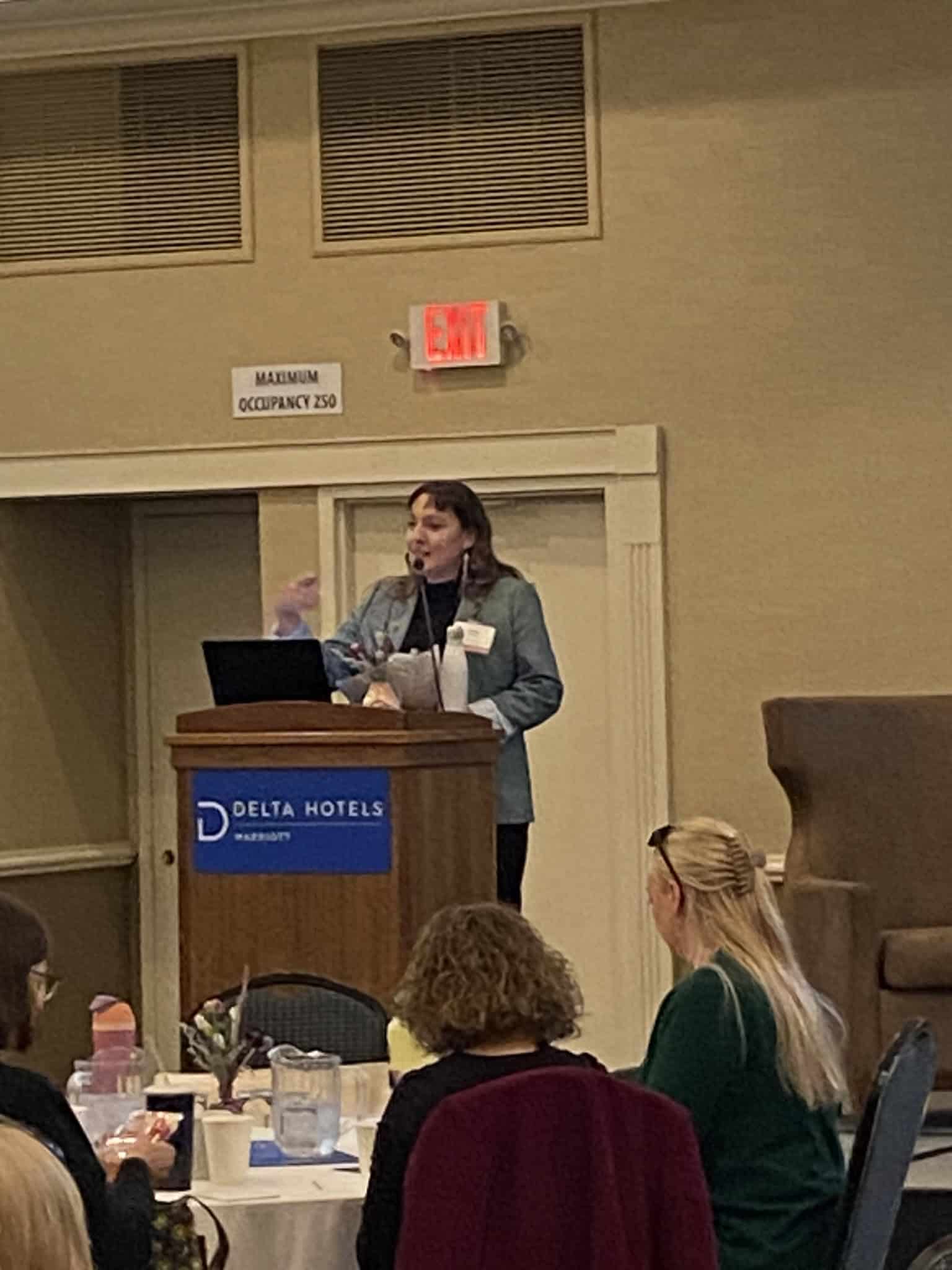
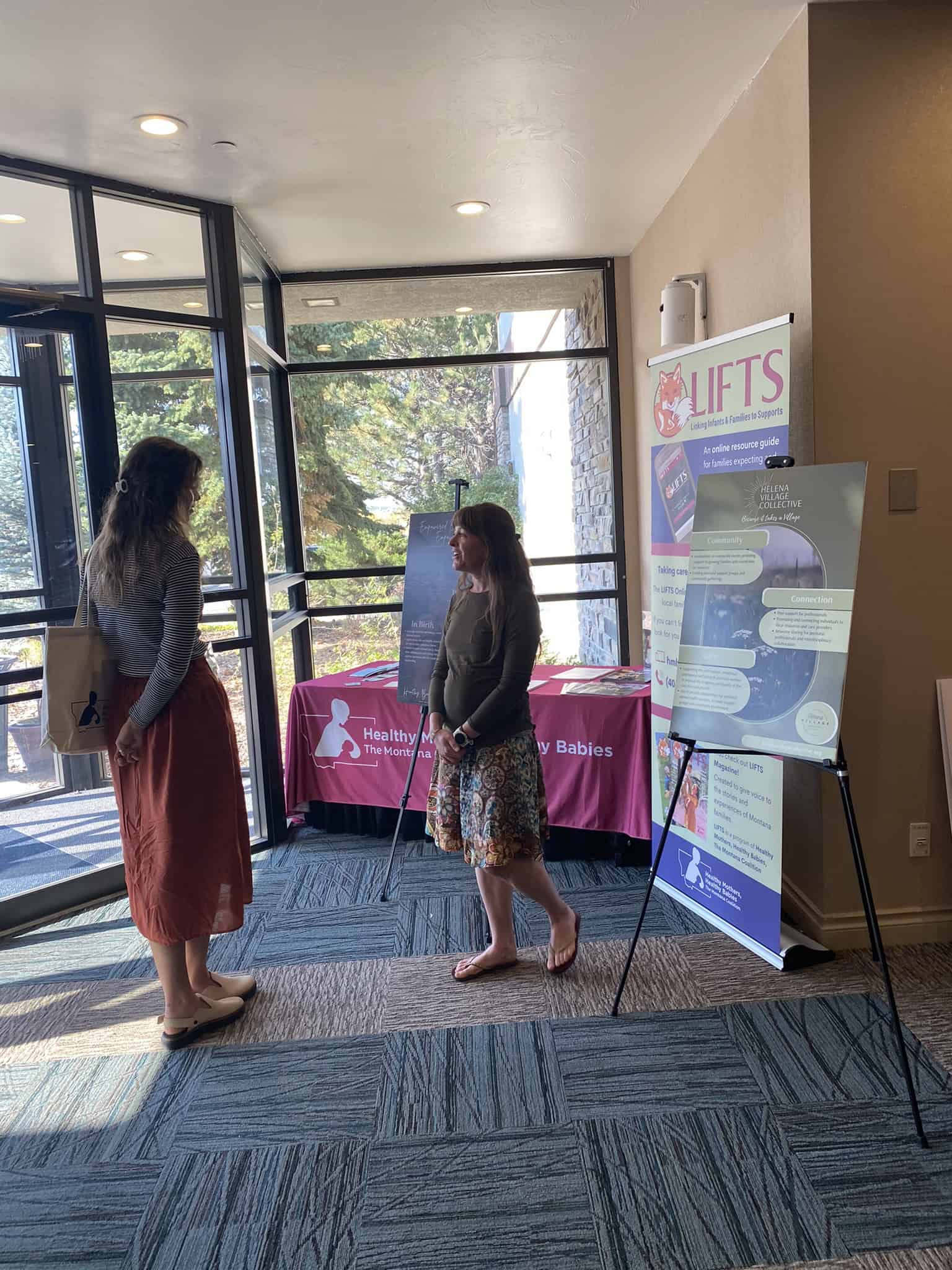
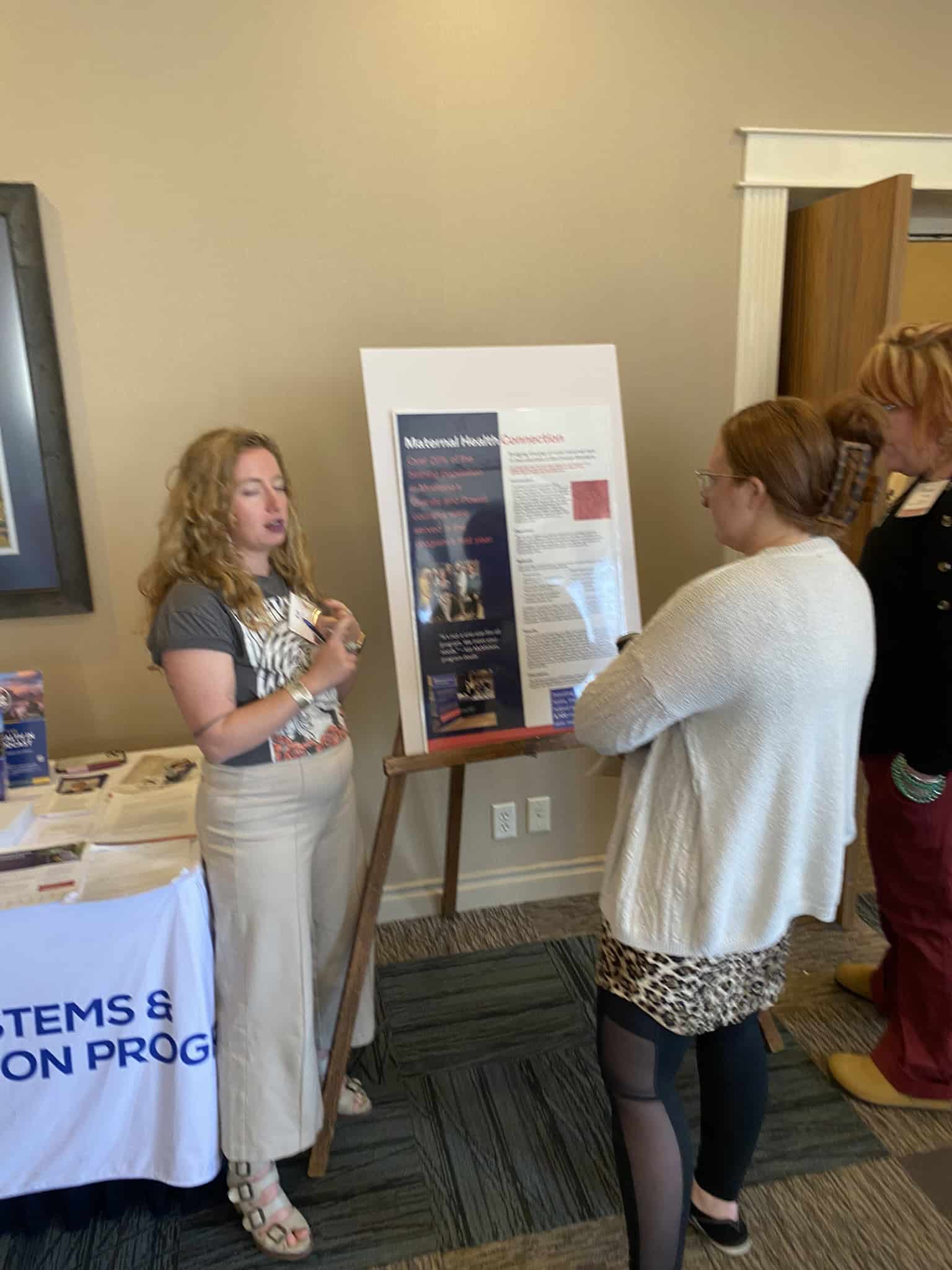
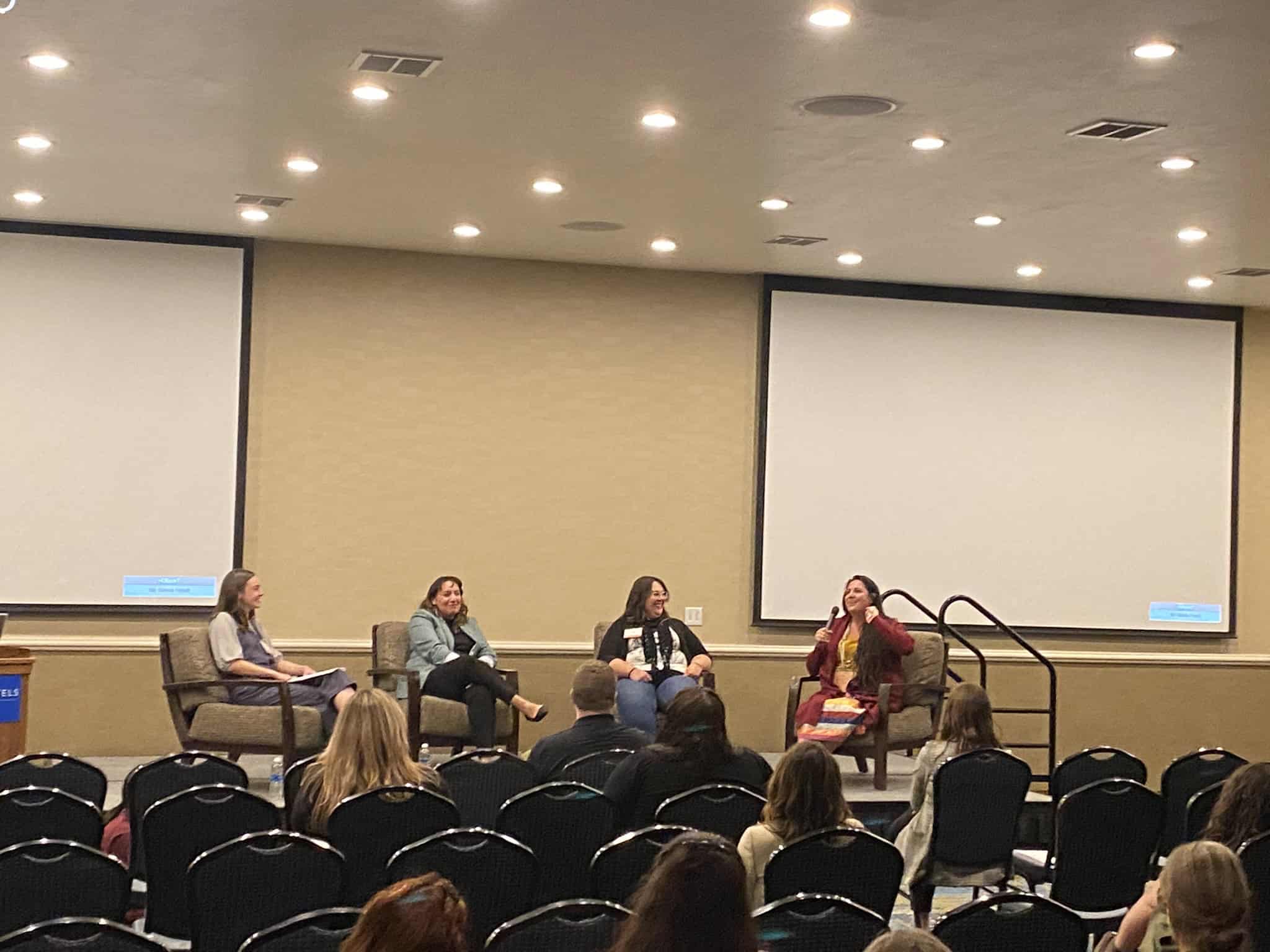
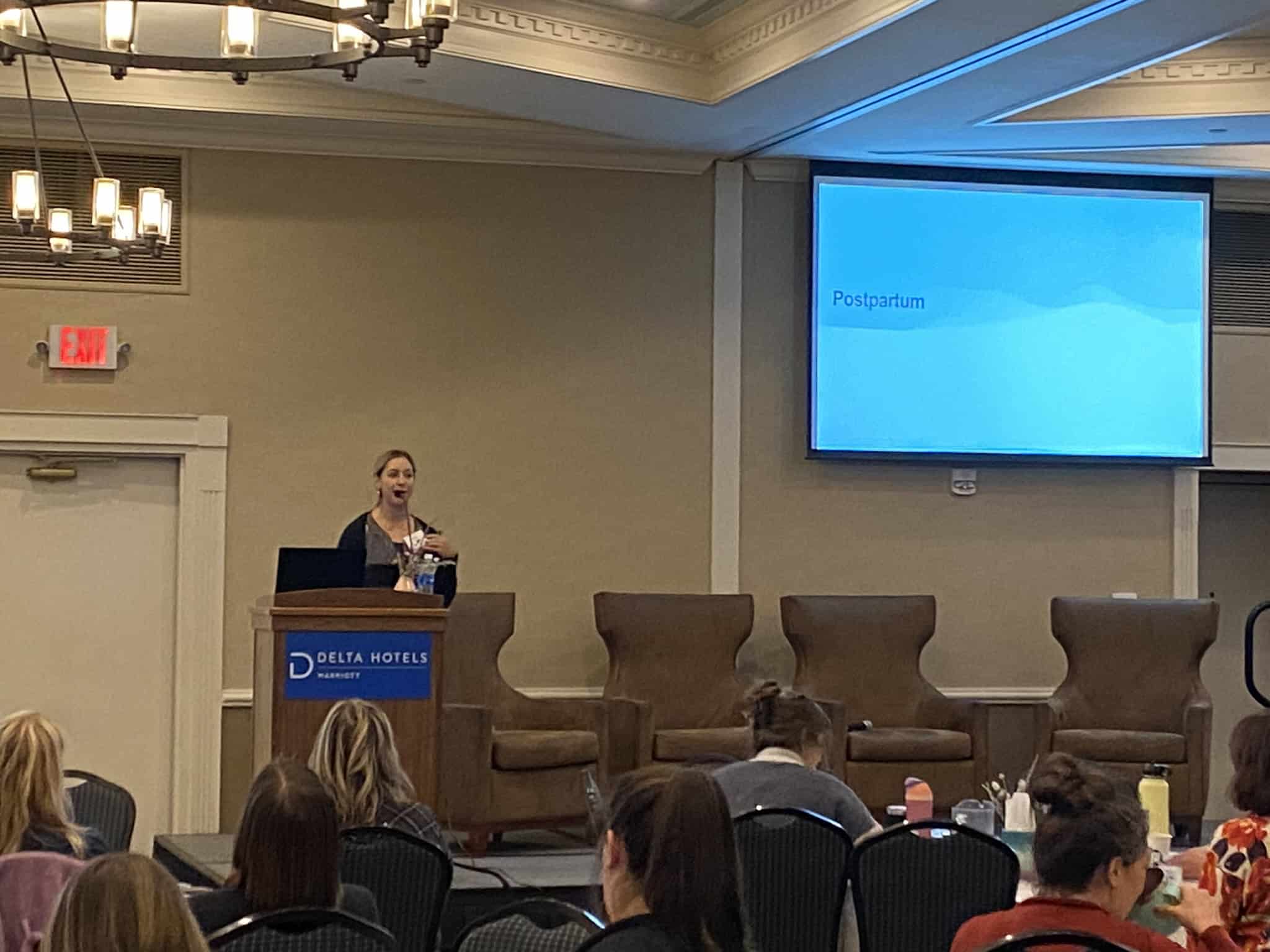
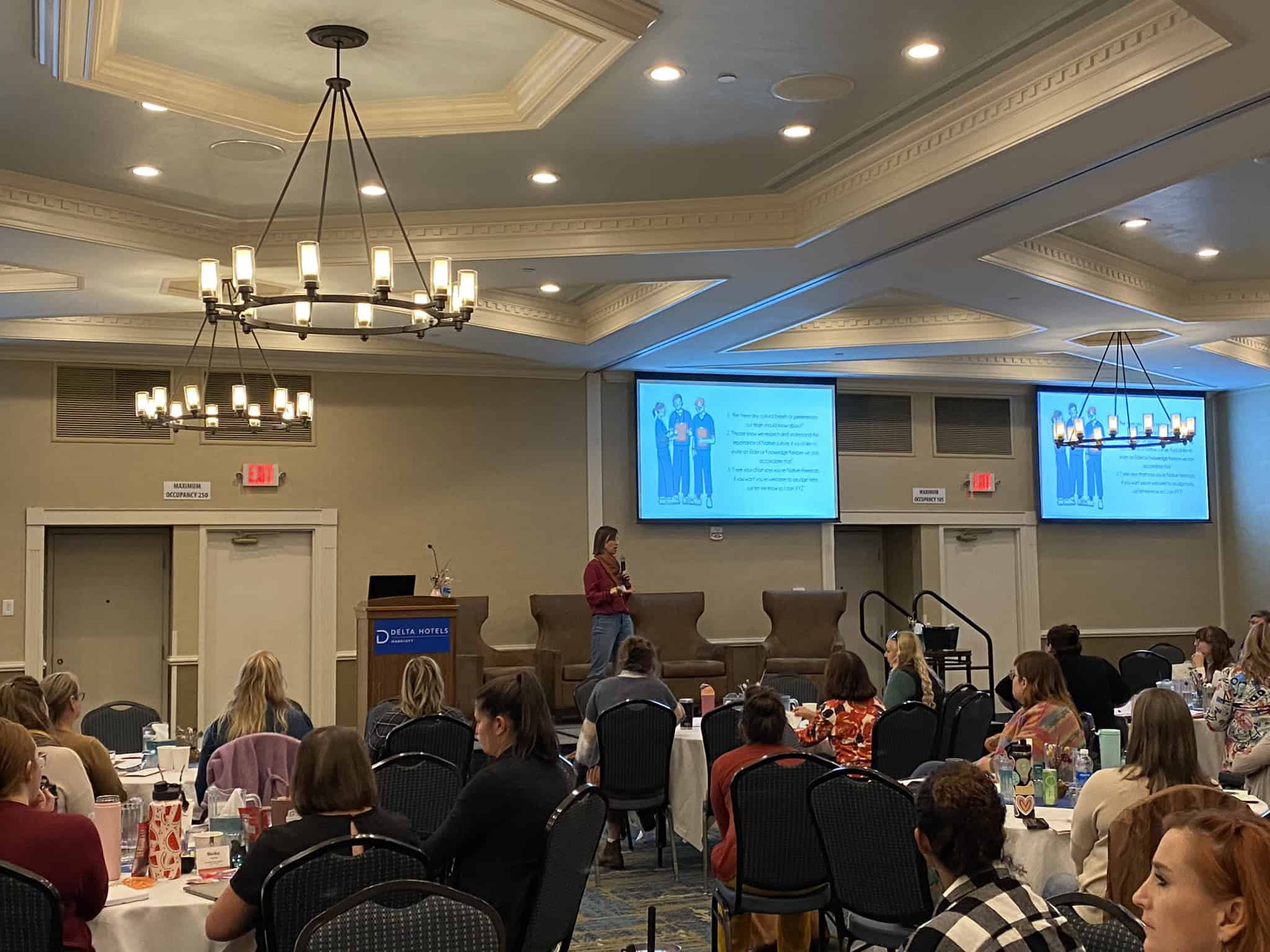
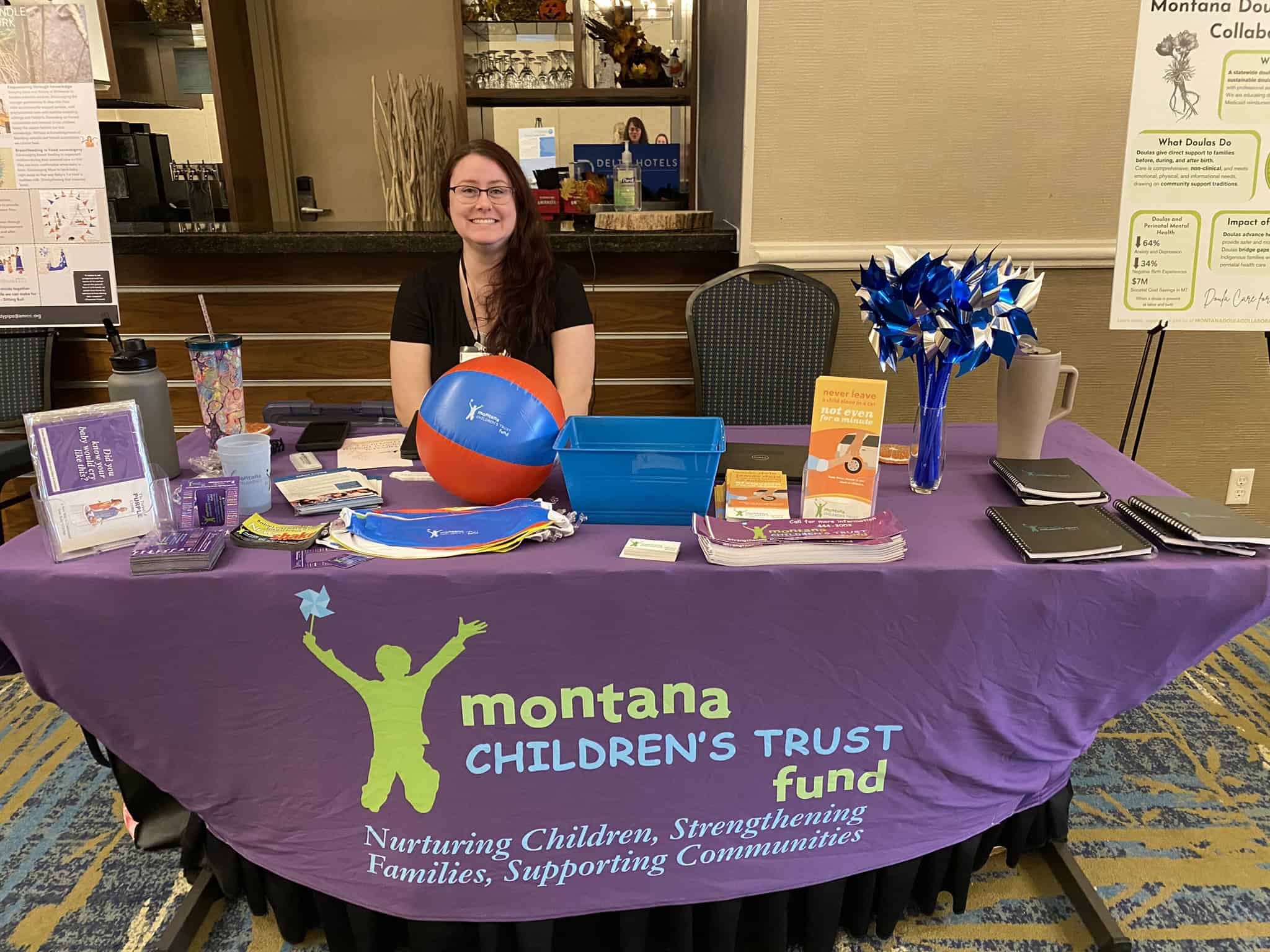
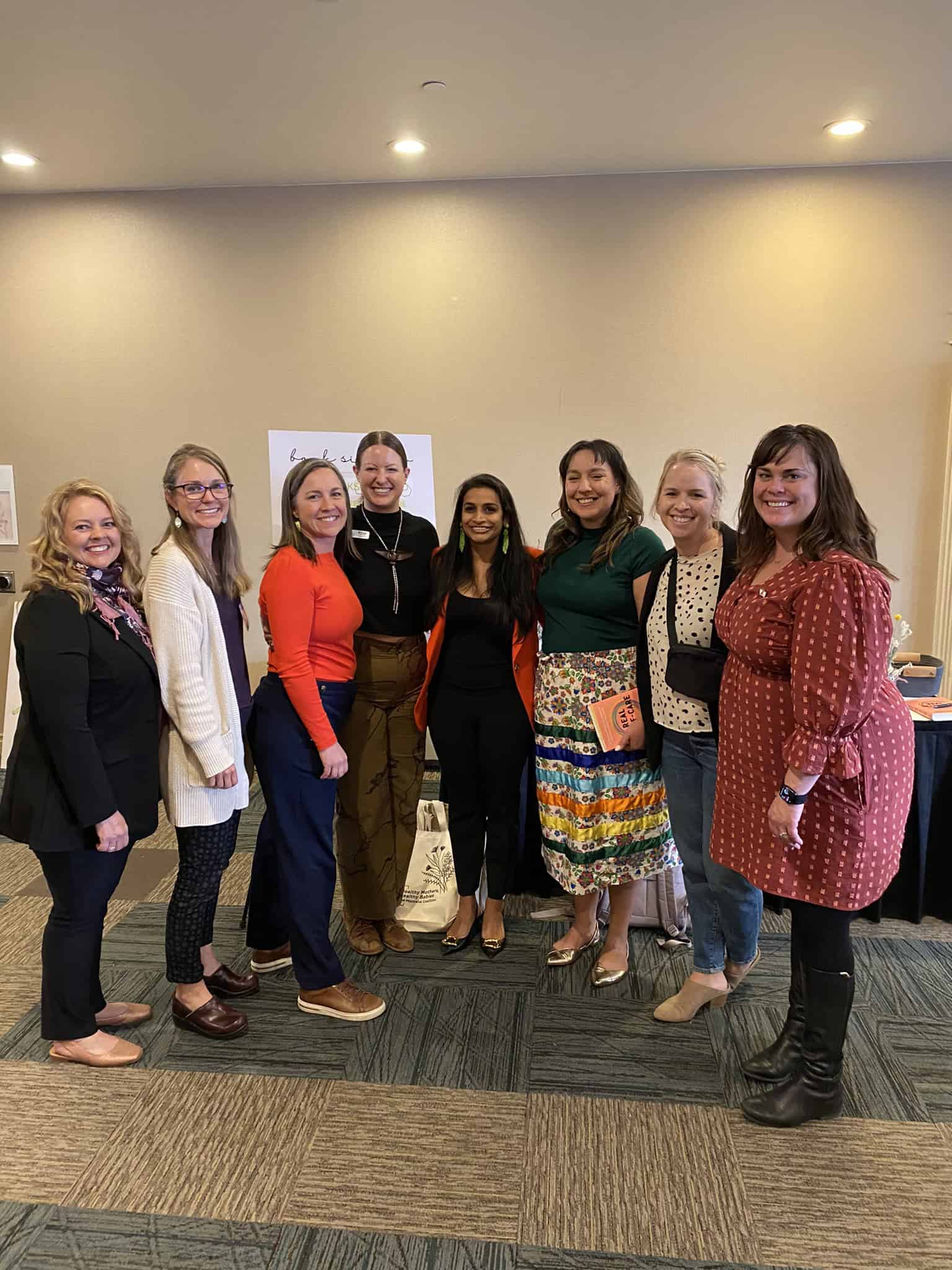
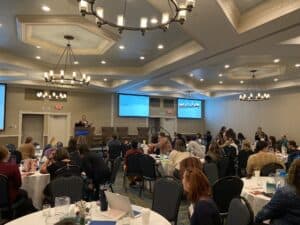
On October 15-16, the in-person conference was held at the Delta Colonial Hotel in Helena, MT, where over 150 attendees joined for learning, connection, and sharing. Presenters thoughtfully crafted sessions on topics ranging from lived experiences in perinatal mental health to doula work and pelvic floor health. We are deeply thankful for the panelists who kindly shared their insights, lived experiences, and expertise. In a community engagement poster session, twelve groups from across Montana shared about their impactful, community-based work supporting perinatal mental health.
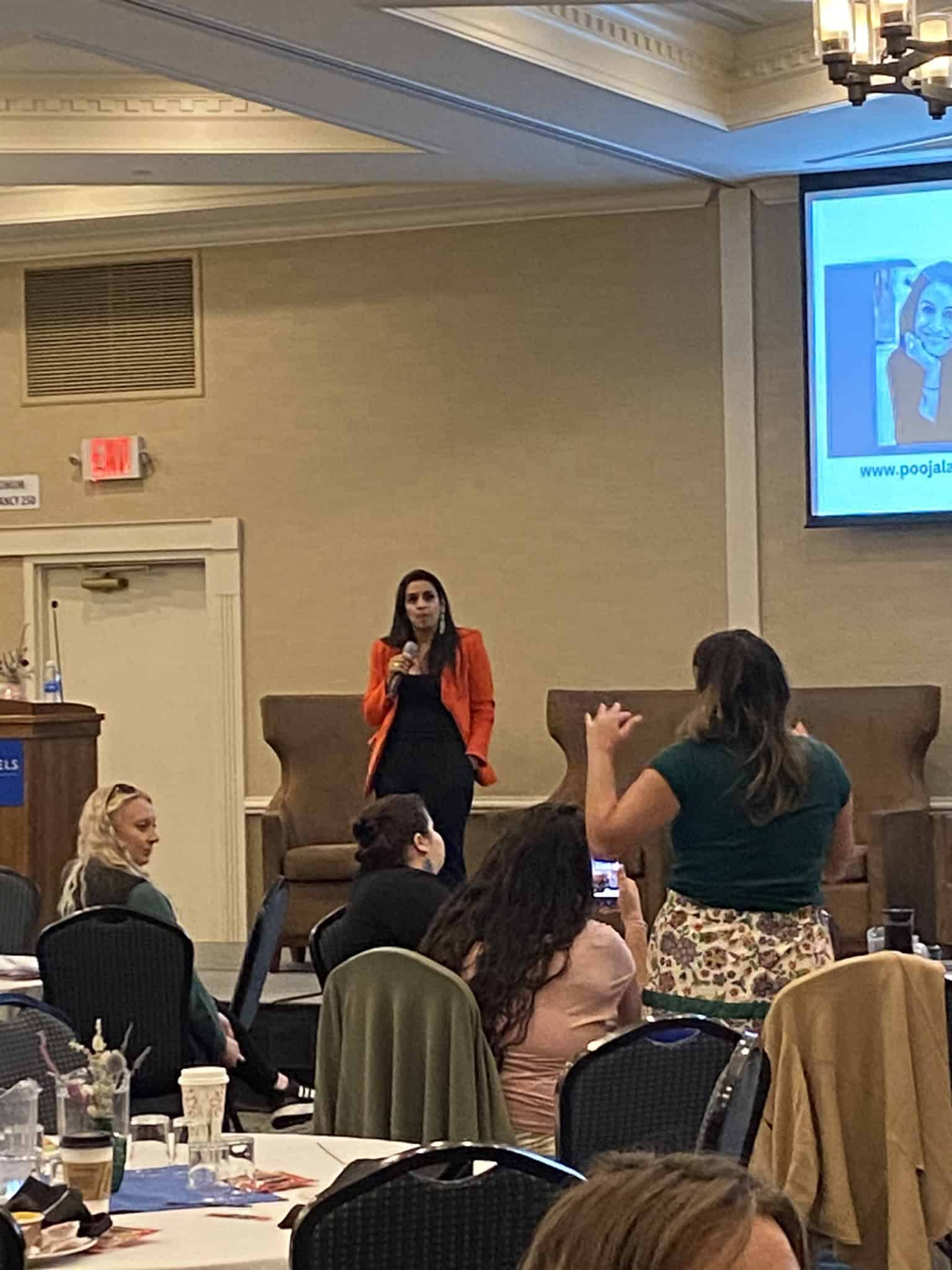
Keynote speaker, Dr. Pooja Lakshmin, offered insights on Real Self-Care from her bestselling book—a reminder of the importance of self-care for those dedicated to caring for others.

Another memorable moment was the screening of the documentary film SILOED, followed by a panel led by Director Hazel Cramer. This discussion covered the journey of making the film and thoughtful (and sometimes funny!) conversations among participants surrounding mental health.

 Virtual Advanced Training Sessions

Two days of virtual learning took place on October 22 and 24, covering Perinatal Substance Use and Perinatal Nutrition. These sessions featured local and national experts, allowing attendees to continue engaging and connecting through our virtual platform, Whova. You can explore the full conference agenda here.

 We Can’t Wait for Next Year!

We are already excited to start planning our 8th Annual Perinatal Mental Health Conference! To stay updated on next year’s conference dates and content, please subscribe to the HMHB newsletter or follow us on Facebook and Instagram.

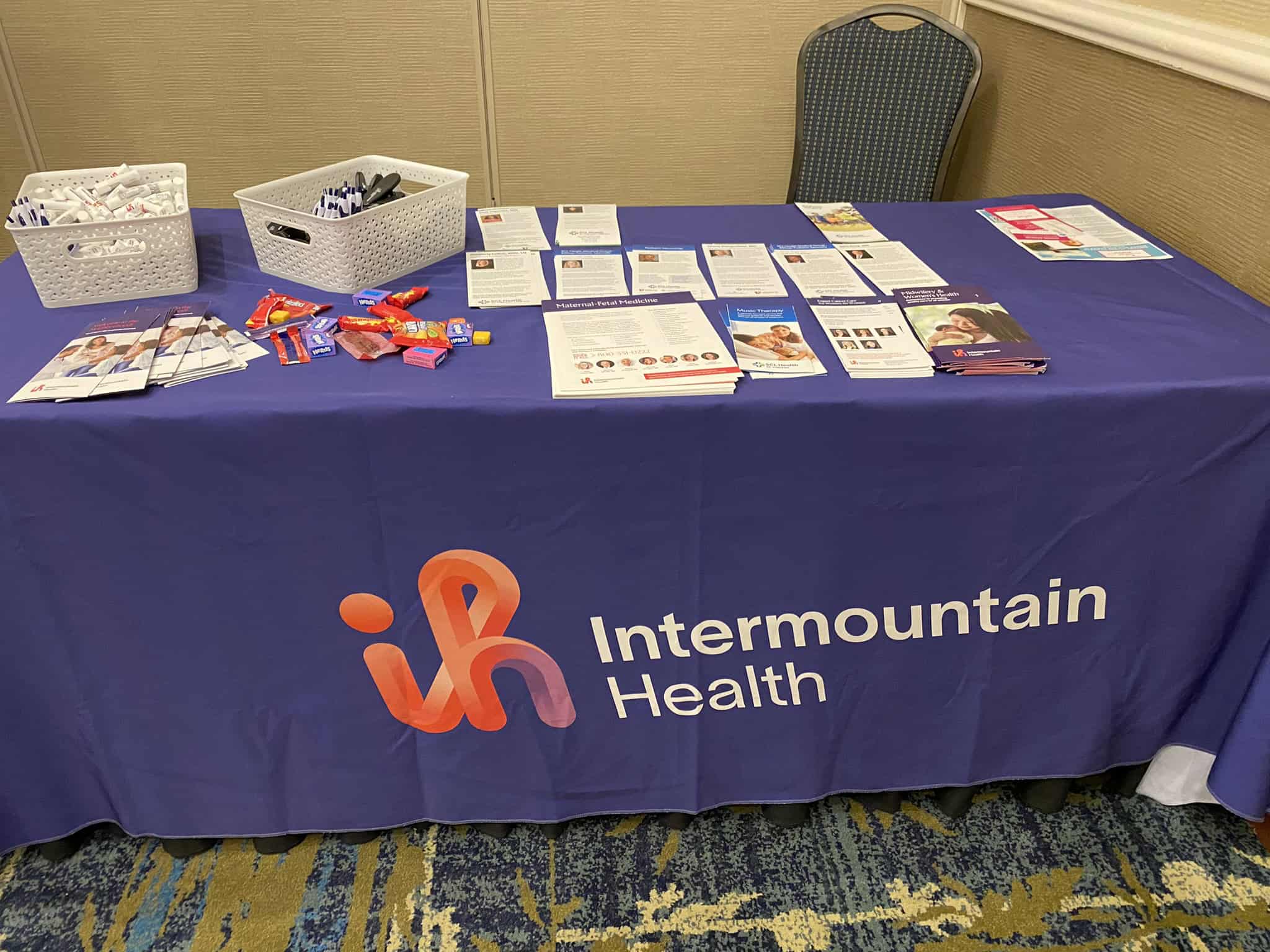
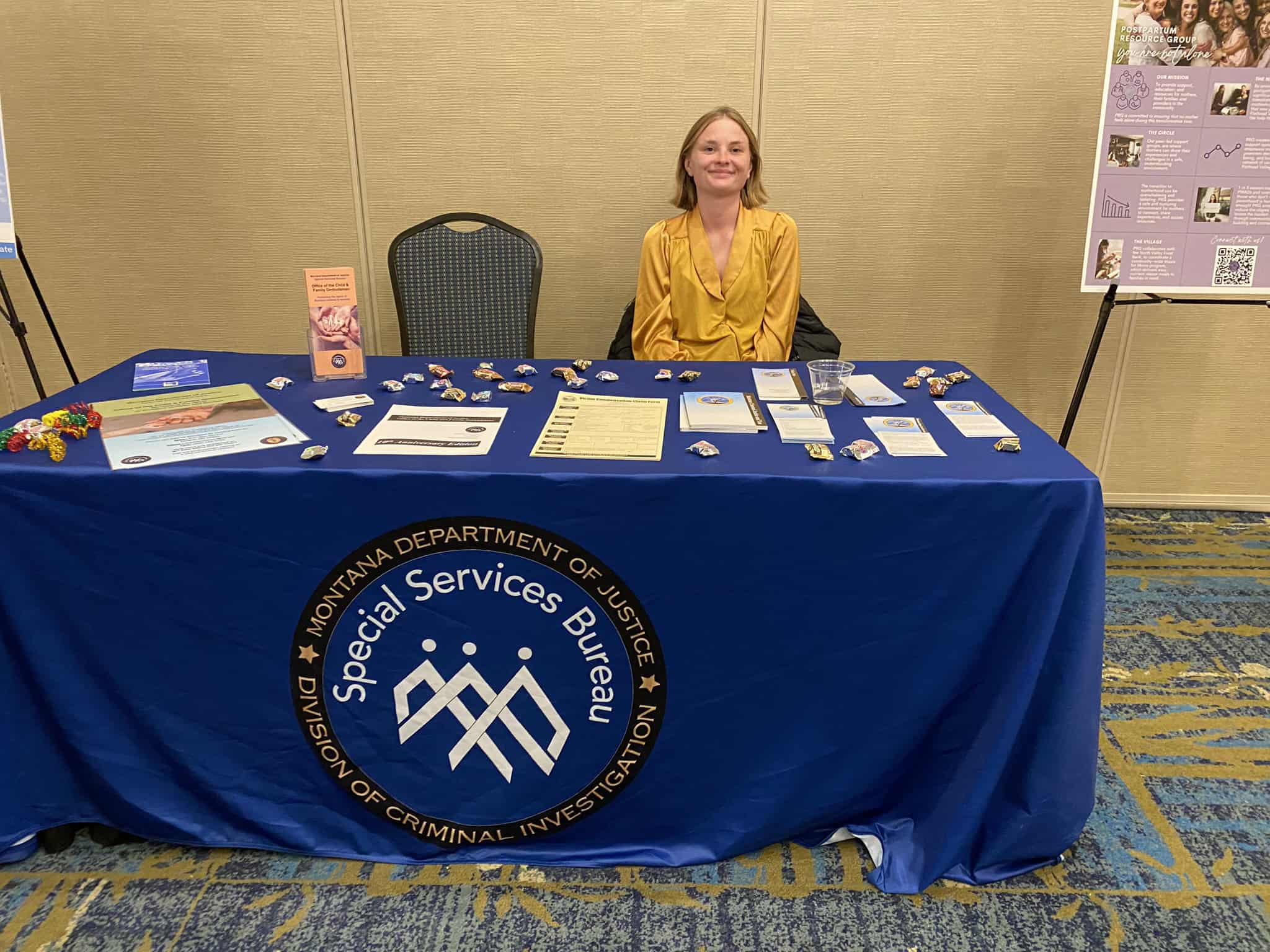
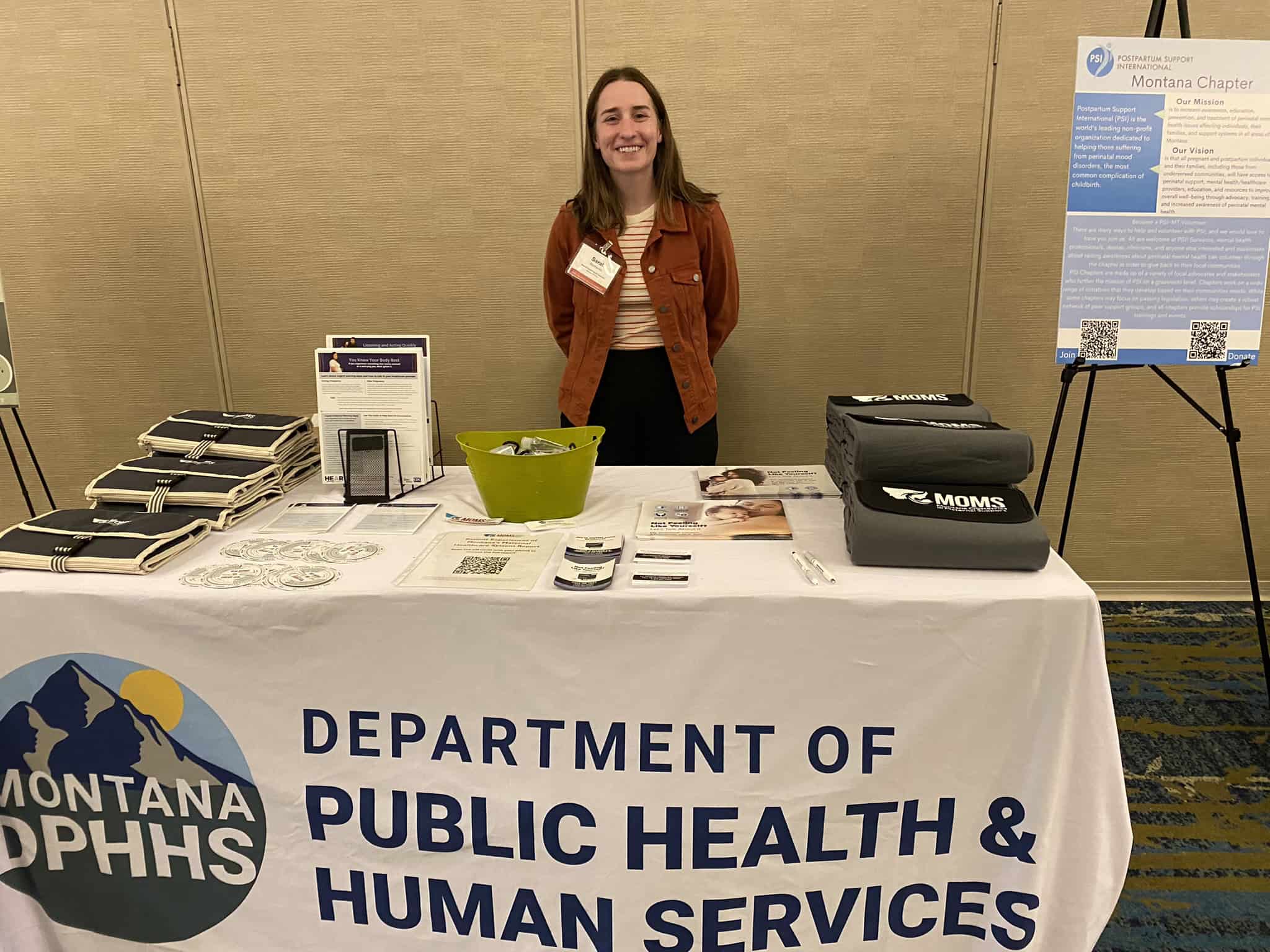
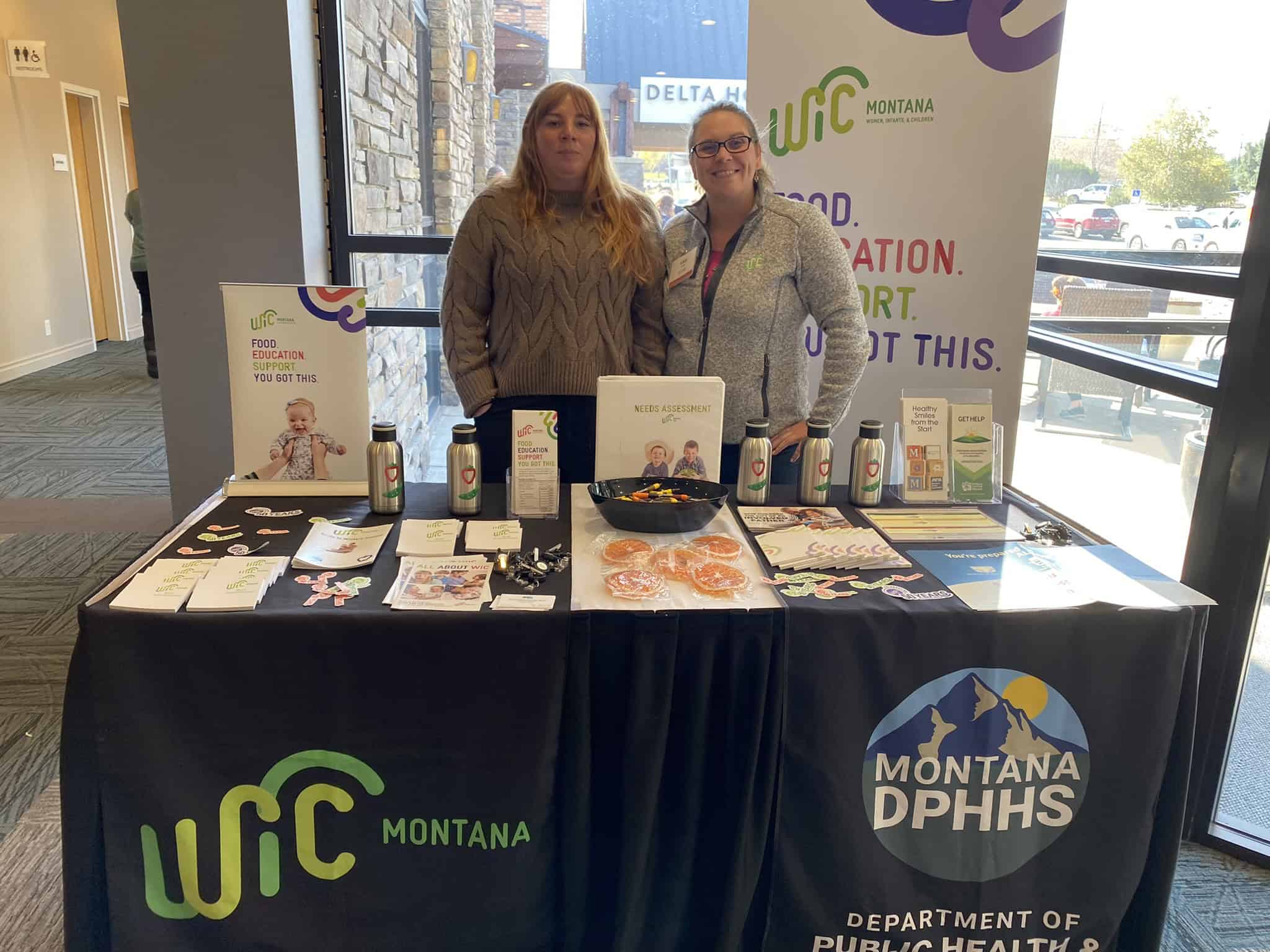
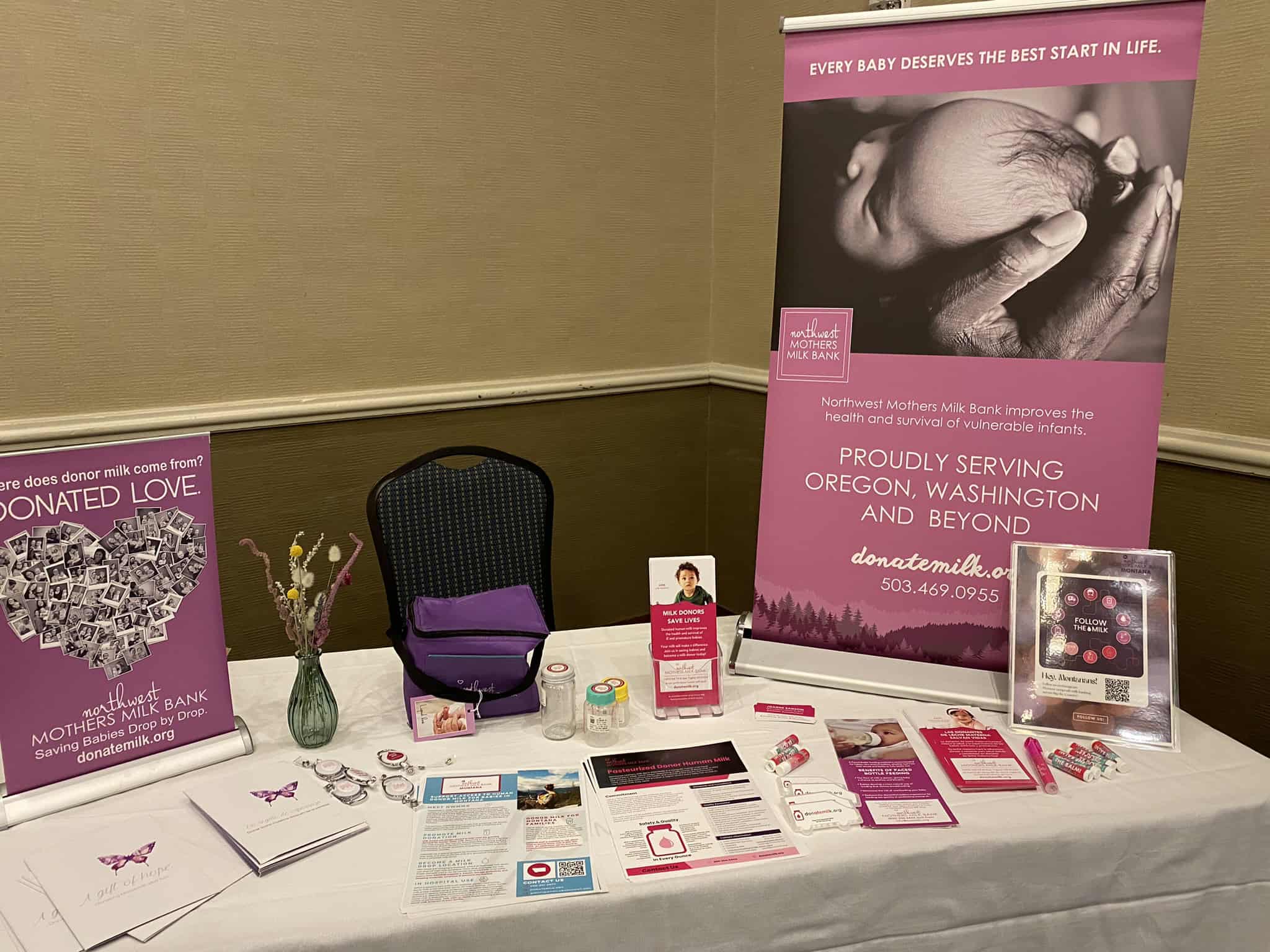
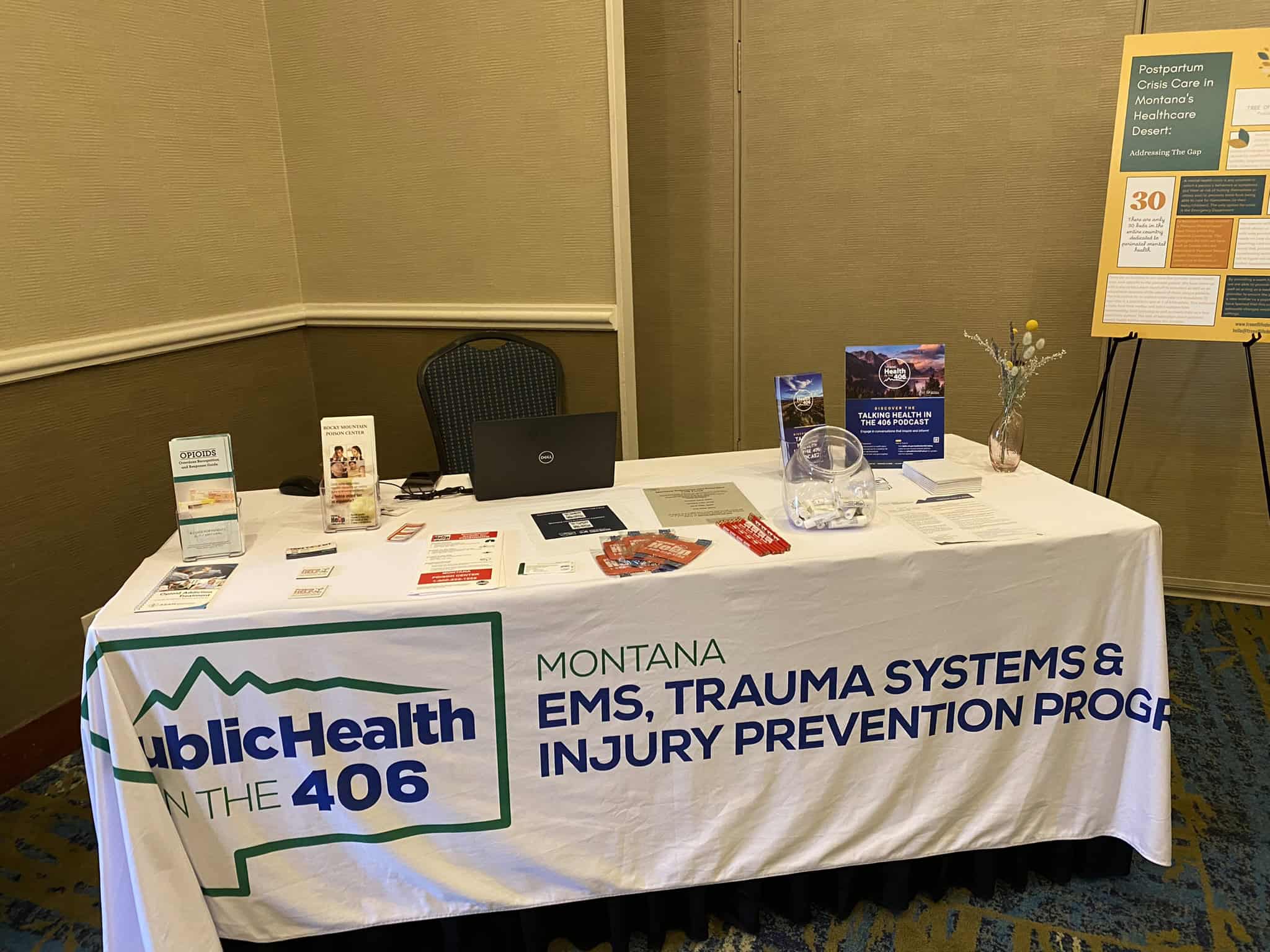
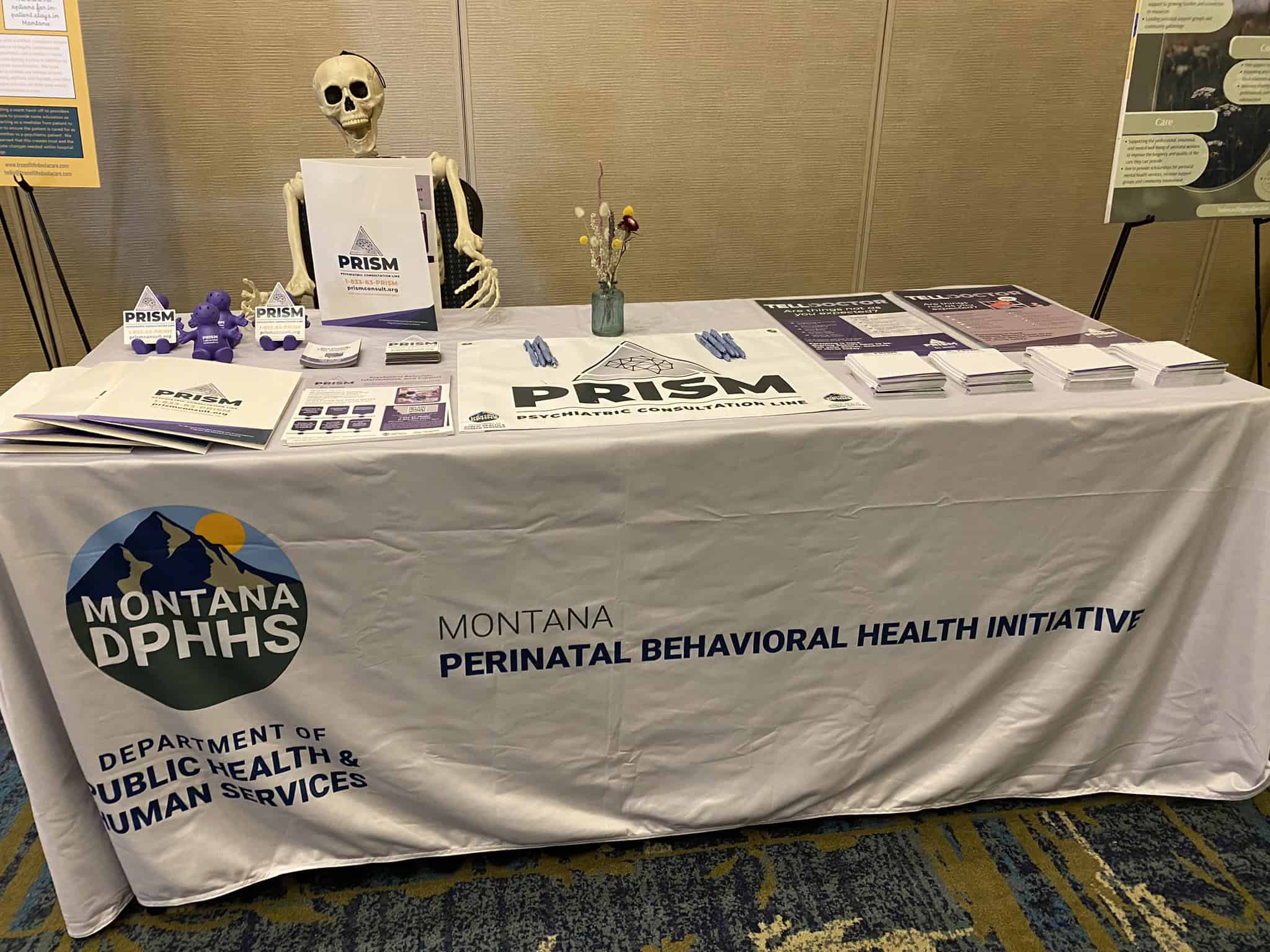
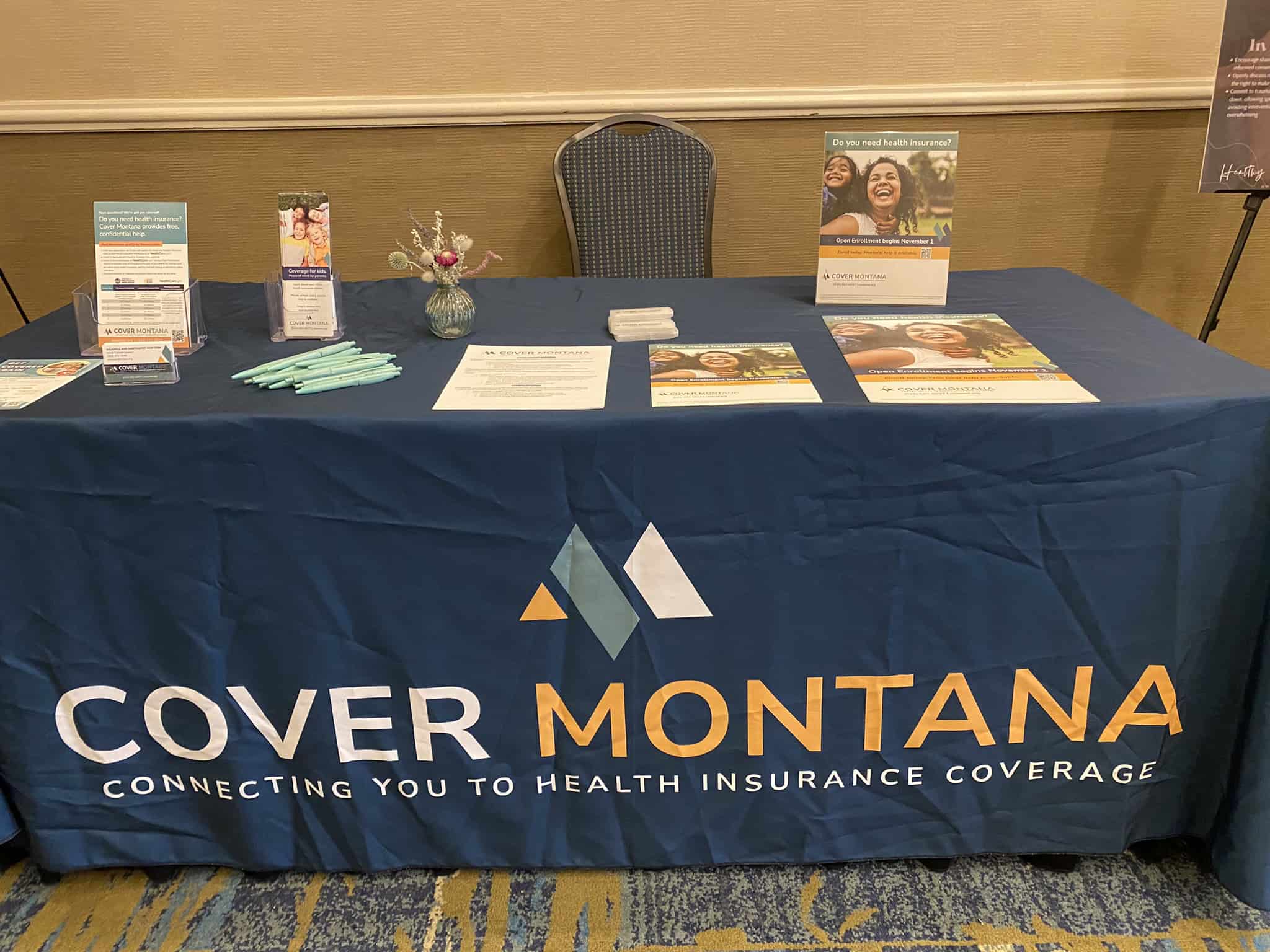
 Thanks to Exhibitors!

Thanks to Sponsors!

pmhc SPONSORS

Thanks to Our Event Manager!

We also wanted to share our gratitude for our amazing Event Manager, Anna Strange. This event wouldn’t have been the same without her kindness, creativity and attention to detail.

We are grateful to all who participated for their support and contributions to this event!

Building Confidence for New Parents Through Home Visiting

By advocacy, Caregiving, Home Visiting

This is a featured article from our 4nd edition of the LIFTS Magazine.  

As told by: Shelby Gustin and Chaz Gustin


SHELBY:

I learned about home visiting after my son was born. I was at my first WIC appointment, and the home visiting program was based in the same public health office. I was kind of anxious about being a new mom, and was a stay-at-home mom at the time, so I didn’t really have a lot of people to talk to. I was looking for guidance and advice, but also needed some social interaction myself. The first visit was nerve wracking – I’m a new mom, I have a three-week old baby, and I don’t know what I’m doing. Towards the end of the visit I felt a lot more relaxed, a lot more comfortable, and more open to the program.


The frequency of visits depended on how comfortable I felt with my son, and where he was at, developmentally – they base it on your child’s needs, as well as your own. At first, I was really worried that I wasn’t interactive enough, that I wasn’t helping my son reach his milestones, especially at a younger age. The home visitor came and was very reassuring. She told me: “He’s ahead of where he should be, and he’s doing great, and you’re doing great.”


This program is not just for the babies, they have a lot of resources for the mothers and fathers. If you need to see a therapist, they can bring you a list of providers; if you just need to vent, they can sit there and listen. They’re very supportive. There was a visit where the house was a mess, and I was hurrying up and cleaning, and we were able to do the home visit while she helped me pick up.


I think that all new moms would benefit from home visiting. I’m pregnant with my second now, and I still want to keep doing the program. I definitely think it’s for everyone if they’re interested in it. It’s awesome. One of the best decisions that I made as a new mom was getting into this program.


CHAZ:

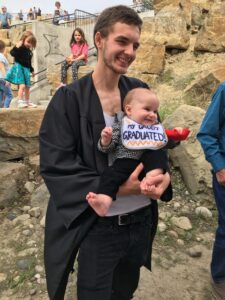
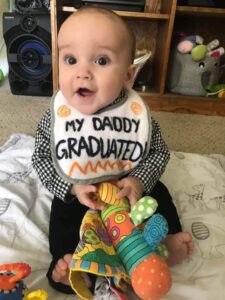
We had Greyson when I was a student in high school. There were times when I didn’t want to go to school, but with the help of Shelby, and my aunt, I was able to fully go to my classes and stay knowledgeable and do my homework. Greyson was there at my graduation, as a little man, just a couple months old. It was so awesome. Eventually, I want to go to college.
 

We had a lady from WIC who talked to us about the Parents as Teachers Home Visiting Program, and it felt like a great opportunity. I was grateful to have somebody that cared. We had this nice lady come in and teach us all about our child and his development. There were times where I was at work, and Shelby would let me know how the home visit time was spent. But when I’m able to be there, I try to be present, and get all the information I can, because it really is beneficial to our son’s growth.


I have a friend who just had a baby, and I was talking to him about home visiting. His girlfriend was really interested, because he’s busy with work. Next time I see him, I’m going to bring it up and just let him know how important it is for kids and for the parents, as well.


My advice to new dads is to be patient, and don’t be too hard on yourself. You’re still new to being a parent. You’ve just got to try your best and keep doing things day by day. It all comes together in the end if you work for it.


Frequently Asked Questions About Home Visiting


What is a home visiting program and how can it benefit my family?

Home visiting is a voluntary, proven support and coaching service that strengthens families through pregnancy and early childhood. Trained home visitors, such as nurses and early childhood specialists, work with expecting parents and caregivers of young children, to build parenting skills and connect families with needed services to support optimal physical, social, and emotional child development.


Who can participate in a home visiting program?

Eligibility for home visiting programs varies by program, but some are available regardless of income or background. Currently, not all areas in Montana have the same access to home visiting programs, but statewide work is being done to change this!


Can both parents participate in the visits?

Absolutely! Home visiting programs encourage the involvement of both parents. Mom, dad, grandparents, siblings and any caregiver who is important in the child’s life are usually welcome to participate!


How do I sign up for a home visiting program?

The best way to sign up for home visiting is to reach out to a local program near you.  You can use the LIFTS Online Resource Guide (hmhb-lifts.org) to find home visiting sites across Montana by typing in “home visiting” in the Search feature. If you have trouble locating one, please call the LIFTS Warmline (406)430-9100 for assistance.


What happens during a home visit?

During a home visit, the visitor will provide personalized support based on your family’s needs to increase your competence and confidence in parenting. This may include discussing your child’s development, answering parenting questions, providing lactation support, offering health and safety tips, and connecting you with community resources.


Is there a cost to participate in a home visiting program?

Most home visiting programs are offered at no cost to families. They are often funded by state or federal programs, non-profits, or community organizations.


What if I’m not able to have someone visit my home or I don’t have a home?

Home visiting programs are designed to be supportive and non-intrusive. If you have concerns, you can discuss them with the program coordinator to find a solution that works for you, such as virtual visits or meetings in community spaces like a library or coffee shop.


Will the program help with special needs or high-risk situations?

Yes. Home visitors are trained to support families in various situations, including those with special needs or who are experiencing high-risk circumstances. They can connect you with additional support and services as needed, such as medical case management by nurses for medically fragile children.

Visit hmhb-lifts.org for local resources using the search terms “Family Support & Education”, “Food and Nutrition Supports”, and “Public Benefits Enrollment”.  You can also visit hmhb-mt.org/homevisiting to learn more.

Photo Credit: Max Stiles (family portrait), Shelby Gustin (graduation pic)

A Week of Connection and Learning in the HMHB World!

By advocacy, Community, Community Support, Early Childhood, Montana Early Childhood Coalition, Positive Childhood Experiences

It has been an exciting week at Healthy Mothers, Healthy Babies (HMHB), filled with opportunities for connection and collaboration. We were thrilled to participate in two meaningful events.

Montana Early Childhood Coalition Meeting

On Monday, with our partners from the Center for Children, Families & Workforce Development and Zero to Five, we helped convene the first in-person meeting of the Montana Early Childhood Coalition (MTECC) in several years. The MTECC consists of dedicated individuals who work at the community level through their local early childhood coalitions and other service providing organizations. The in-person meeting provided an excellent platform for participants to share ideas and discuss what’s working locally. Attendees exchanged insights, built connections, and shared innovative ideas with stakeholders from across the state. The meeting also included dialogues with representatives from statewide organizations and discussions on recent studies and needs assessments.

For more information about the Montana Early Childhood Coalition or to see if you or your organization might be eligible to participate, visit the MTECC website or please contact:

Resilience Rising: Positive Childhood Experiences Summit

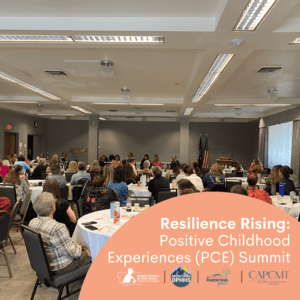
On Tuesday, HMHB helped host the Resilience Rising: Positive Childhood Experiences (PCE) Summit. Members of the MTECC joined various stakeholders and professionals from across the state to explore the importance of positive childhood experiences.

The summit featured expert speakers, including:

  • Christina D. Bethell, PhD – Director, Child and Adolescent Health Measurement Initiative, Johns Hopkins Bloomberg School of Public Health
  • Donald Warne, MD, MPH – Co-Director, Center for Indigenous Health, Johns Hopkins Bloomberg School of Public Health
  • Stacy Dreessan & Teresa Nygaard – Child Abuse Prevention Centers of Montana
  • Faith Price, PhD – Research Associate, Johns Hopkins Bloomberg School of Public Health
  • James Caringi, PhD – Professor, University of Montana School of Public & Community Health Sciences, College of Health
  • Becky Franks – Special Projects Director, The Montana Institute

The event also highlighted community-based successes spearheaded by these dedicated professionals in Lincoln and Park Counties:

The summit included discussions on the science and significance of PCEs, including in Indigenous populations, and insights from direct service providers on fostering PCE-informed communities. While session recordings aren’t available, you can find more information on the speakers and their work in the links provided above.

Upcoming Events

Carrying forward the energy of this week, we wanted to share reminders about several upcoming events and learning opportunities before the end of the year!

Perinatal Mental Health 101

Mark your calendars for Perinatal Mental Health 101 on September 10 and 17. This FREE virtual training is open to anyone interested in learning the basics of perinatal mental health. Dr. Samantha Greenberg from Greater Valley Health Center in Kalispell, MT, will lead the sessions.  Click here to register for this exciting event!

Perinatal Mental Health Conference

Following Dr. Greenberg’s sessions, we are thrilled to host the 7th Annual Perinatal Mental Health Conference in-person! You can find more information here.  We have some incredible national and local speakers and panelists we will be announcing soon! While we will offer a virtual option for those unable to travel to Helena, we look forward to the in-person connection and networking. Click here to register for this exciting event!

For more training and development opportunities across the state and within the perinatal mental health landscape, please visit our training opportunities page.

We loved seeing so many wonderful faces this week (in person and virtually!) and hope to continue the great connections and conversations throughout the rest of the year and beyond!

Explore Play Spaces and Public Libraries with LIFTS This Summer

By Community, Community Support, Early Childhood, Parenting

The LIFTS Online Resource Guide features a wide range of services and service providers across the state of Montana that are relevant to parents and caregivers of young children.   As we are in the dog days of summer, we wanted to highlight two areas that we hope are particularly helpful for parents and caregivers caring for young children this summer: play spaces and public libraries.

Play Spaces

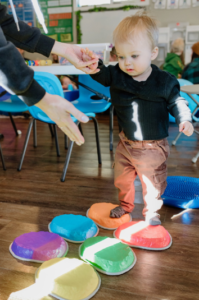
Play spaces in LIFTS include anything from parks to indoor play spaces like this cool space.  We know that during the summer parents and caregivers can often be ready for a change of scenery and exploring a park that’s maybe different than your everyday haunt can be a fun and engaging experience for parents and littles alike.

Public Libraries

Montana has a great network of public libraries that offer a broad range of services for families and young children.  From “Books and Babies” to engaging summer reading programs, libraries can be a staple of the summer.  As a bonus, most public libraries offer air conditioning and can provide a safe and comfortable environment to beat the heat in while you share an engaging reading experience with your little one.

Do you know of an awesome play space or park that’s missing?

We are always working to keep LIFTS as up to date as possible and lean upon the generosity of our partners and supporters to do that.  If you know of an awesome play space or library in your area that isn’t yet a part of the LIFTS online resource guide, please let us know!  The purpose of LIFTS is to Link Infants and Families to Support and we know it takes a village.

We hope everyone is having a safe and enjoyable summer!

LIFTS: A Comprehensive Resource for Montana Families

By Caregiving, Community Support, Parenting

Today on the blog, we spotlight LIFTS, a well-known initiative among those familiar with Healthy Mothers, Healthy Babies – The Montana Coalition. Our goal is to equip our partners to become LIFTS ambassadors, providing them with the tools they need to spread the word to those who may not yet be aware of this helpful resource. We hope this post can be shared with those who can benefit from LIFTS to help achieve that!

What is LIFTS?

Launched in October 2021, the LIFTS online resource guide provides Montanans with a vital tool to connect with local service providers for pregnant people and parents and families of children aged zero to three. It offers a searchable database of local supports that families can easily access. LIFTS also includes a warmline where parents can anonymously ask questions about finding support, and a magazine featuring stories about how Montana parents and caregivers successfully found help and overcame challenges.

LIFTS stands for:

  • Linking
  • Infants and
  • Families
  • To
  • Supports.

Who is LIFTS for?

LIFTS is for Montana pregnant people, parents, caregivers, and providers for young children aged zero to three. LIFS includes a comprehensive range of services and parents can access LIFTS for information on services ranging from lactation support to mental health providers to public libraries. For busy parents, it serves as a trusted guide to find help in Montana when other information sources are overwhelming or unorganized.  It is mobile-friendly, making it even easier for parents to use at any time.

Providers supporting Montana parents and young children, such as home visitors, nurses, and care coordinators, can also use LIFTS to find trusted supports in communities across the state. It serves as a reliable resource for professionals and parents alike.

LIFTS is Local

Although LIFTS is a statewide resource, it was designed with local Montana community coalitions and early childhood experts to ensure the shared resources are trusted and locally endorsed. LIFTS is customizable to local counties and Reservations, allowing families across the state to access the support they need in their local communities when it’s available.

Features of LIFTS

  • Searchable Database: Easily find local services in local counties and Reservations.
  • Events: Discover family-friendly, substance-free local events.
  • Submit a Service/Event: Providers and community members can add services and events to the database, ensuring it remains current and comprehensive.
  • Warmline: If you need help finding specific information or resources, LIFTS offers an anonymous warmline you can call at 406-490-9100. Available from 9 am to 5 pm, Monday to Friday, this service connects you with someone who can help.
  • LIFTS Magazine: The magazine features real stories about parenthood in Montana and experiences of when accessing help helped. These narratives aim to foster connection and let parents know they aren’t alone if they are struggling. The magazine also highlights resources and support systems available across the state.

Empowering Parents and Caregivers

LIFTS is more than just a resource guide; it’s a tool to help families feel empowered and supported.  Parents aren’t meant to do this alone and Montana is full of support for pregnant people and those caring for young children. By providing easy access to quality information and resources, LIFTS aims to make the journey of parenthood and the process of supporting parents and caregivers of Montana children aged zero to three a little easier.