By Gwyneth Hyndman, HMHB Storytelling Coordinator

Three years ago, my mother-in-law sent me a buoy bell wind chime for Mother’s Day.
When I first hung the iron bell outside our home in Philipsburg, it swung mightily with the late spring storms, then went quiet as we settled into summer. It came back to life with October winds, and receded into hibernation in December. Snow, sun, rain, stillness. The years since have followed this pattern. Weeks will go by before it is moved into action and sometimes I forget the bell is there.
So when it clangs with the wind, I’m sometimes disoriented. Wait. Are we in the mountains or on the ocean? It stops me in my path. Often, when I am most in need of being stopped.
Like carrying a tantruming child from the car up the steps of our porch. Or fleeing our rowdy house like it’s on fire, to hurl a bag of trash into the bin – an excuse for 38 seconds of peace. And almost always when I come back from work or a walk and brace myself for all the landmines of a dinner hour with picky eaters.
I hear that bell and it is as if a force outside my world stills me.
Just take a beat, it says. And my pounding heart, in obedience to that echoing bell, begins to slow.
Our hearts get a lot of attention in February. There’s Valentine’s Day (and in case you missed her 2024 post, give yourself a treat and read Claire Larson’s very real blog on date nights here) Galentine’s evenings, heart-shaped cookies, pink-themed crafts and cards for classrooms packed into the pockets of backpacks.
It’s also American Heart Month, highlighting cardiovascular disease – one of the leading causes of pregnancy-related deaths in the U.S. – and it’s a month when awareness is raised for congenital heart defects, affecting approximately one in 100 babies born each year. We remember to schedule annual appointments, give blood, to make healthy choices in how we eat, exercise and sleep.
But sometimes, in the everyday hustle, our hearts are the pieces of ourselves we neglect.

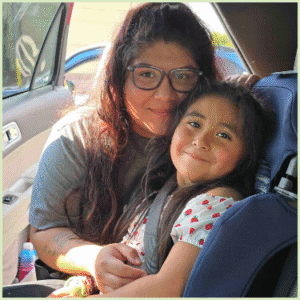
Madison Torres and Luna Torres, 4.
Two doors down from me, Madison Torres – pictured here with her daughter, Luna – describes her own ritual for calm as a mother of two, and small business owner with her husband, Raul.
As a child, Madison remembers being sensitive to raised voices in her household. Taking a moment to consciously step back and ask herself how she wants her children to feel when tensions are high, helps her to break this cycle.
“I hold my chest and try to feel my heartbeat,” Madison says. “If I can breathe through this, the thought process comes and I start to feel myself calm down.”
A hand on the heart is also how Sami Garrett, an Anaconda mother of two under 5, works through moments of overwhelm.
“I often stop, put my hand on my chest and ask myself ‘What does my heart need?’” says Sami, who created the online community Good Enough Matrescence (GEM) in 2024, in response to a growing need she identified – in rural communities especially – for connection and accessible parenting resources. She starts with this grounding question to slow her adrenaline before moving on to the next task.
I’ll also say to myself ‘This should be happening,’” she says. “And instantly my shoulders drop and I can take some breaths.”
Sami’s words align with the first paragraph’s of the GEM manifesto:
We are no longer available for the pressure
The endless to-dos
The shoulds, the shame, the guilt, the striving to be the “right” kind of mom.
We are not here to perform perfection.
We are here to be present.
For Bozeman-based licensed child counselor and Sustainable Parenting founder, coach and past LIFTS Podcast guest Flora McCormick ( you can find our 2024 podcast with her here) it’s a physical rock with the word “And” written on it, that she centers on to combat the maternal striving for impossible expectations, she identifies in herself and the world.
“This is something that comes from dialectical behavioral therapy,” Flora explains, referring to the behavioral therapy that focuses on mindfulness, emotional regulation, distress tolerance and interpersonal connections. “I’ve reflected on this often. So basically when we are saying something like ‘I just wish that I had more patience’… we continue on to say ‘AND I’m proud of myself for trying,’” Flora says. “‘AND’ has always been a really grounding word for me.”
Another mantra Flora said she took away from years of counseling: All you can do is all you can do – and that is enough.
“Just in my hardest moments, beating myself up, thinking ‘why can’t I, why won’t they,’ ‘why haven’t I’ – these were grounding words to always come back to. I put it on a sticky note when I was first a parent and just looked at it and looked at it and looked at it.”
“It’s really that first form of radical acceptance,” she adds. “It is a simple phrase, but to really sink into it and accept it, it means letting go of the ‘woulda, shoulda, coulda’ to allow this to be true. That’s pretty powerful.”
All you can do is all you can do – and that is enough.
Just about the kindest words I can tell my heart.
On a recent morning, as the girls run wild in the living room, I sit with a coffee on the couch, listening to them pretend they are running a vet clinic. I prepare to get up because there is so much to do. But the window is open on this too-warm February day. And as I watch the wind move through pines outside, I hear the bell.
I go ahead and take that beat.
And this morning, for the sake of my heart, that is enough.
Photos by Gwyneth Hyndman

 Creating Doula Training
 Covering the Essentials

 Honoring Leadership
 We were so happy to welcome Mary Collins as our Policy Coordinator in October. Many of our partners already know Mary well, and her leadership and experience strengthen our ability to engage in advocacy and policy work that centers families.
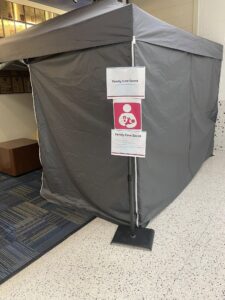
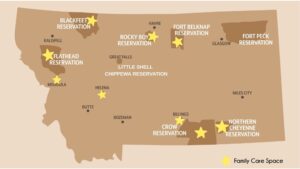 A Family Care Space is a space where mothers, parents, and families can come to feed their babies, change their baby’s diaper, and receive educational materials, and most importantly connect with local BirthWorkers. While the concept of Family Care Spaces at public events is not the first of its kind, the meaning of this movement for Tribal Communities in Montana lies in something deeper: the reclamation of Indigenous traditional ways.
 collective support. Parenting was not meant to be done in isolation but in community. It takes a village to raise a child.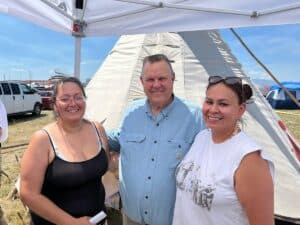

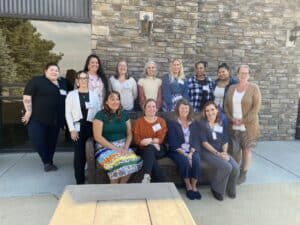
 We started the year strong with a team retreat in Helena, welcoming two new
 May brought bittersweet farewells as we said goodbye to Claire Larson, who released her final episode of the
 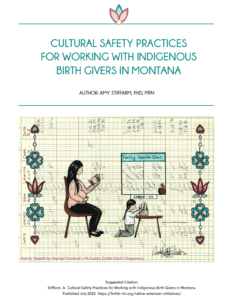 Dr. Amy Stiffarm unveiled an updated version of the
 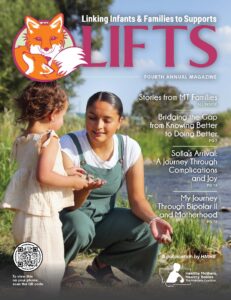 The fourth annual edition of
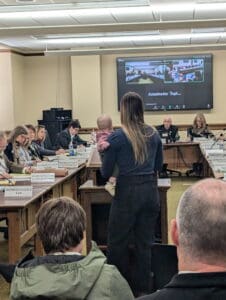
 “You’re an adult woman, you can do this!” my husband Bob says over the phone from 1,500 miles away, as I dress our four-month-old son, Emmett.
 Walking down the ramp into the building’s basement, I feel nauseous. “We can do this, right buddy?” I ask Emmett.

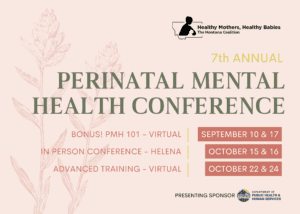
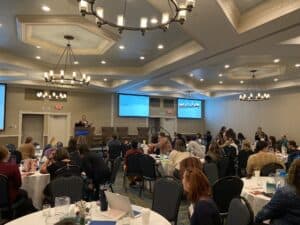 On October 15-16, the in-person conference was held at the
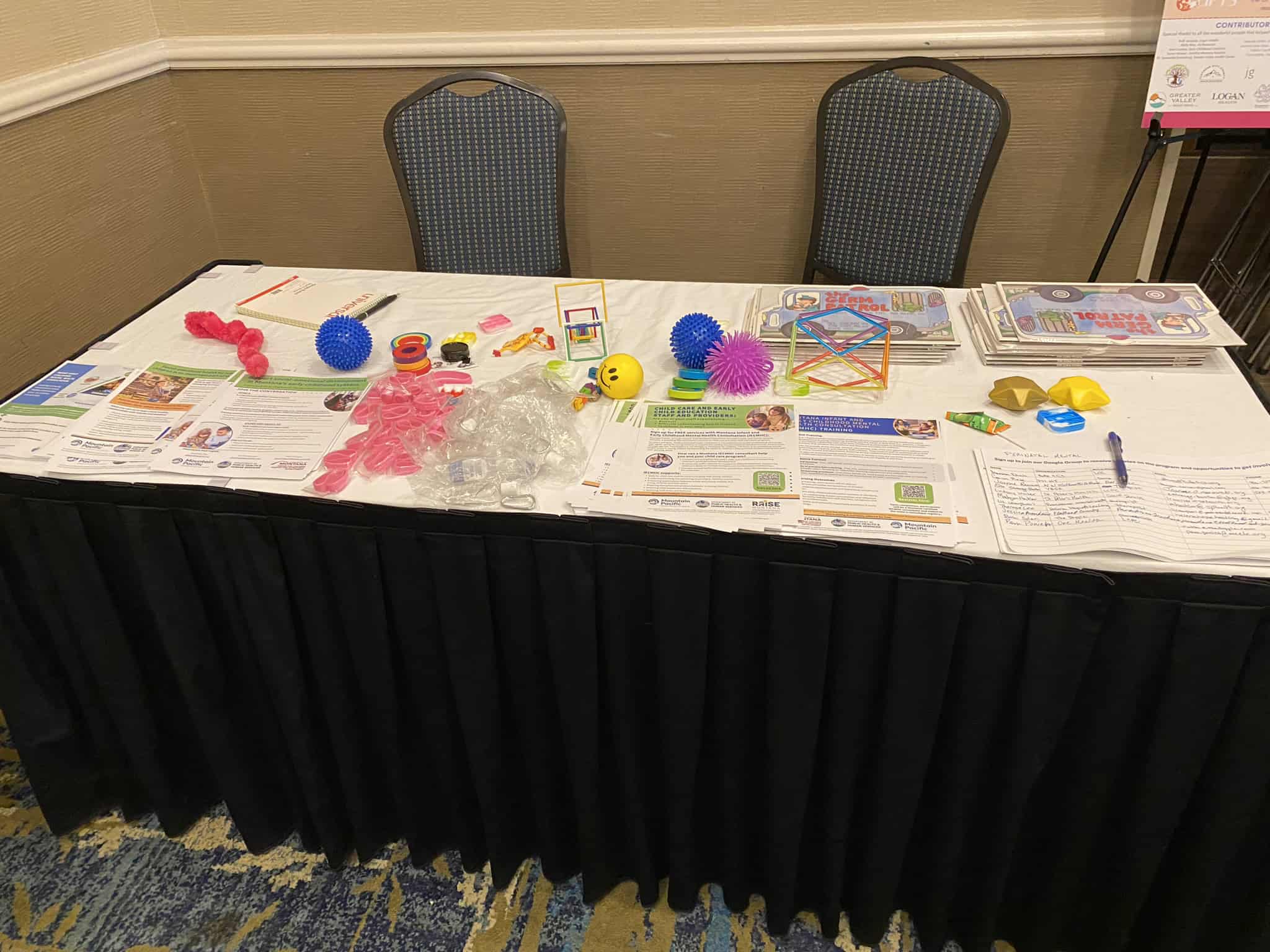
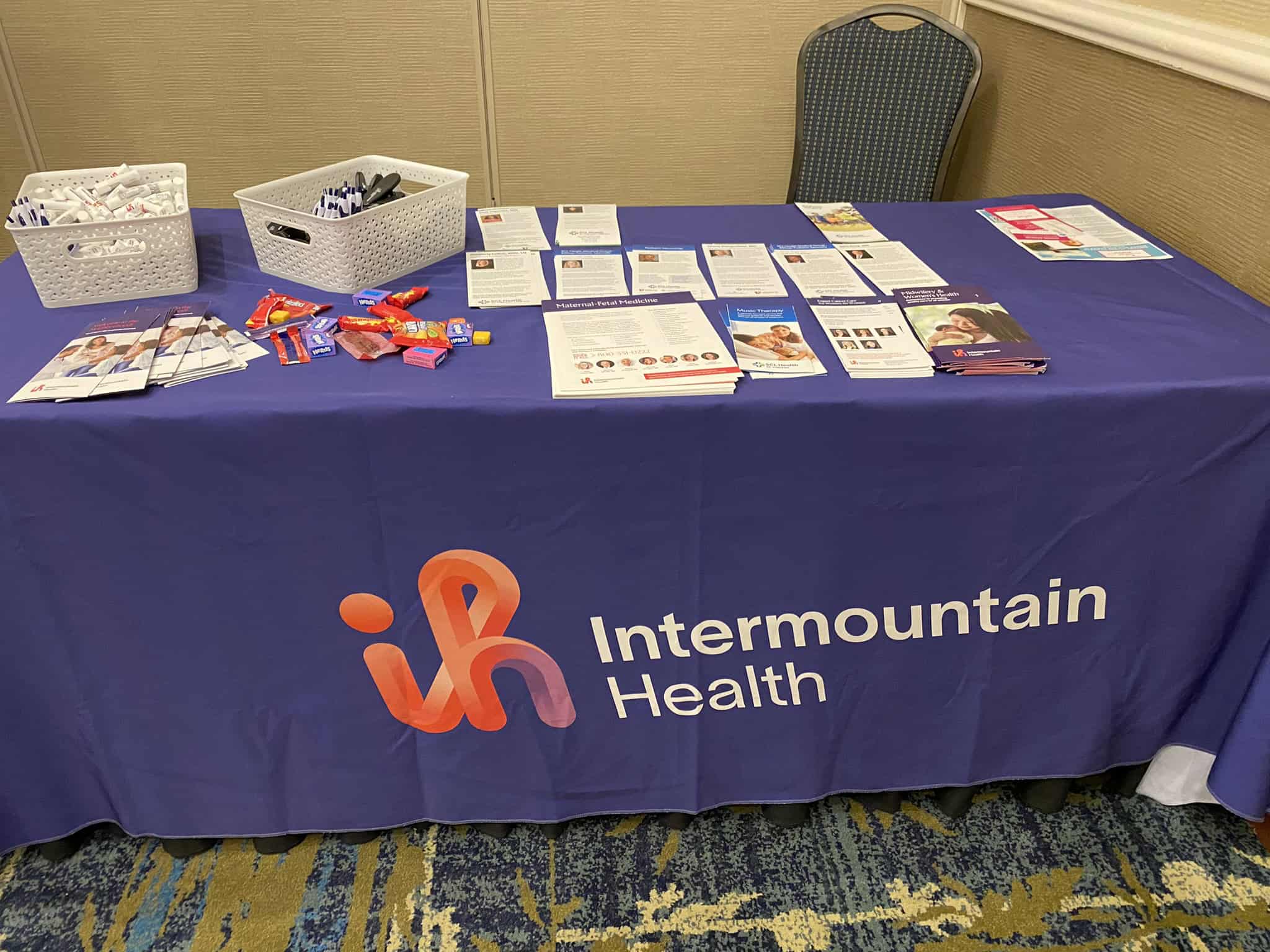
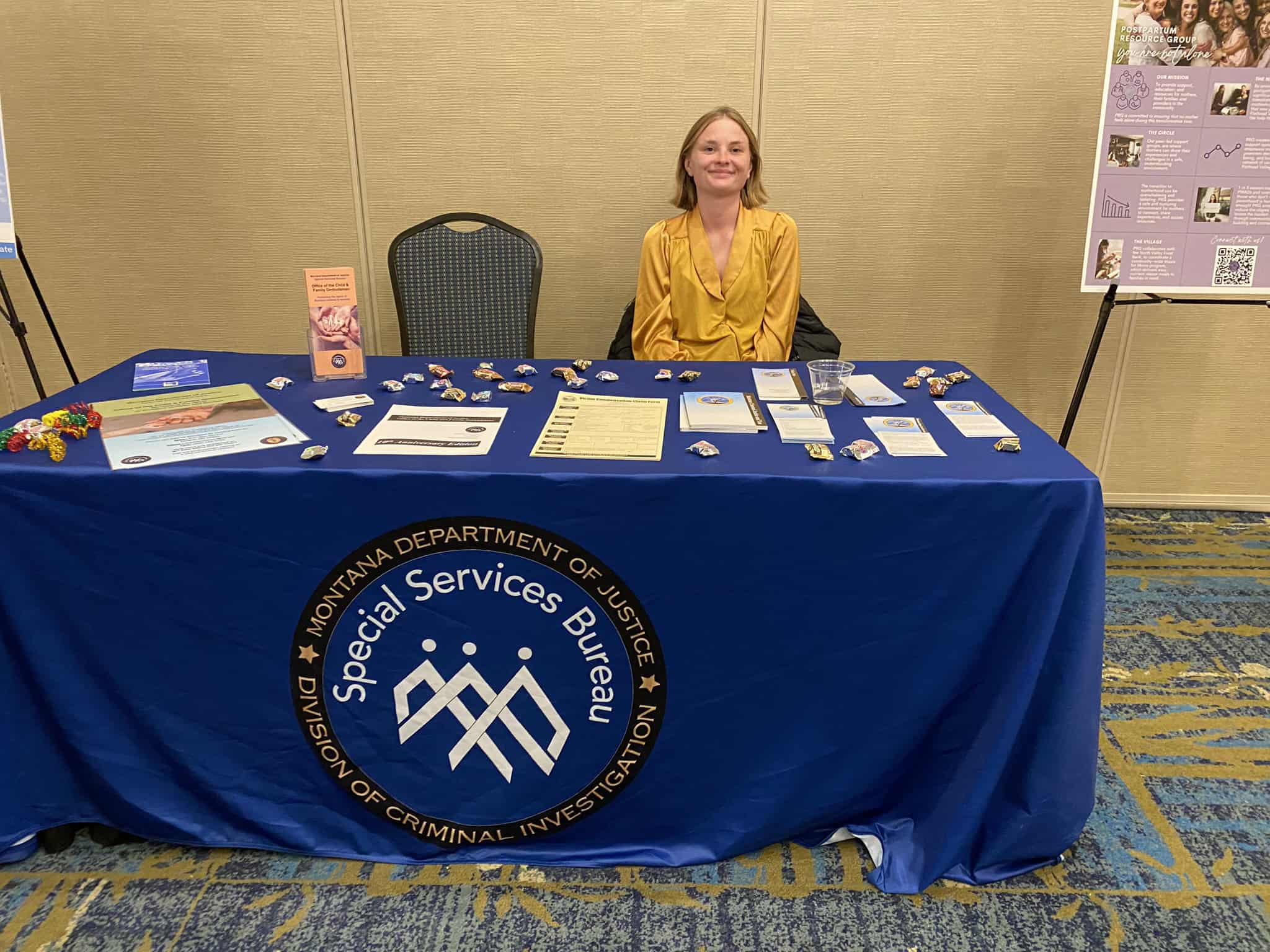
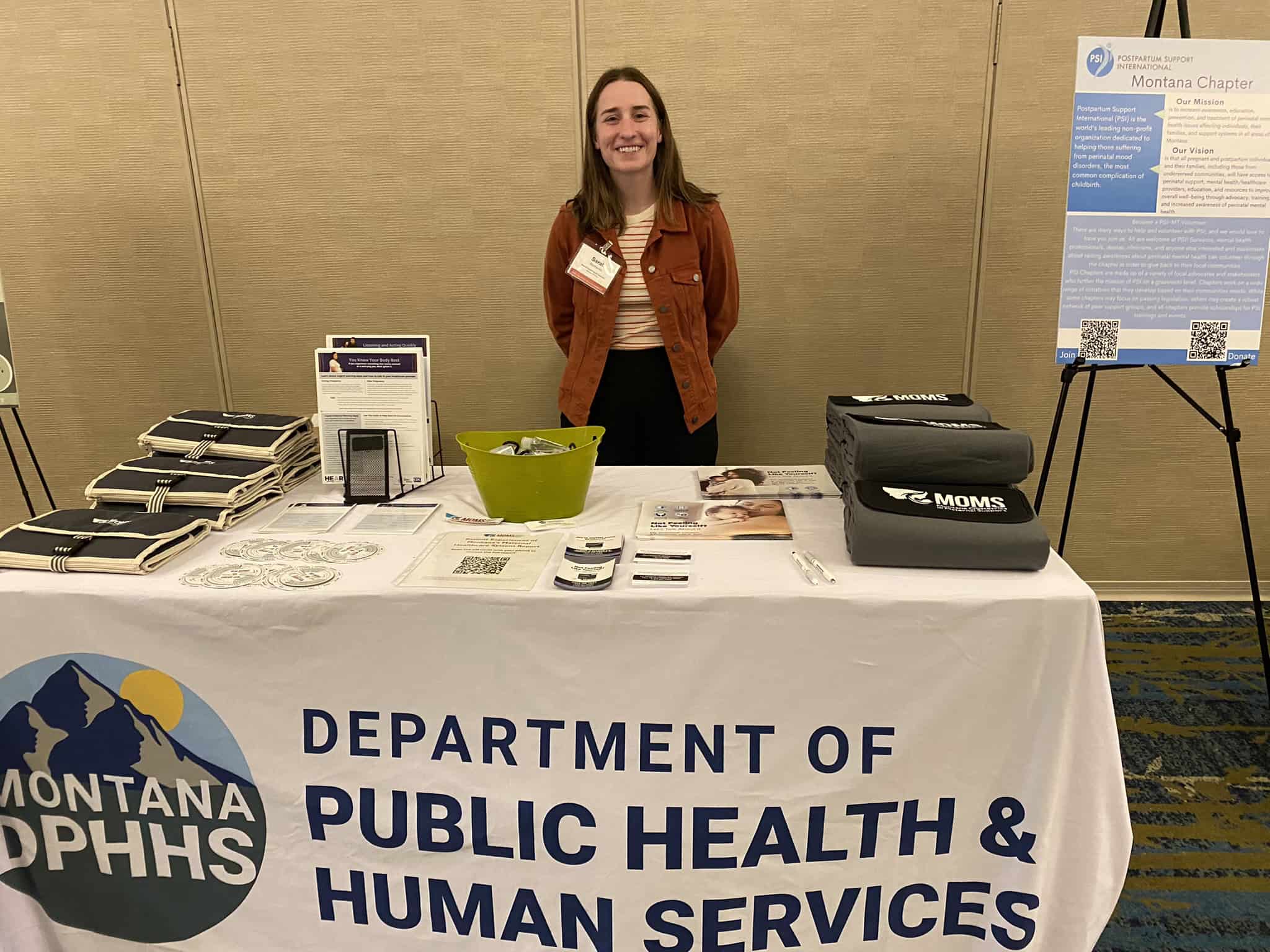
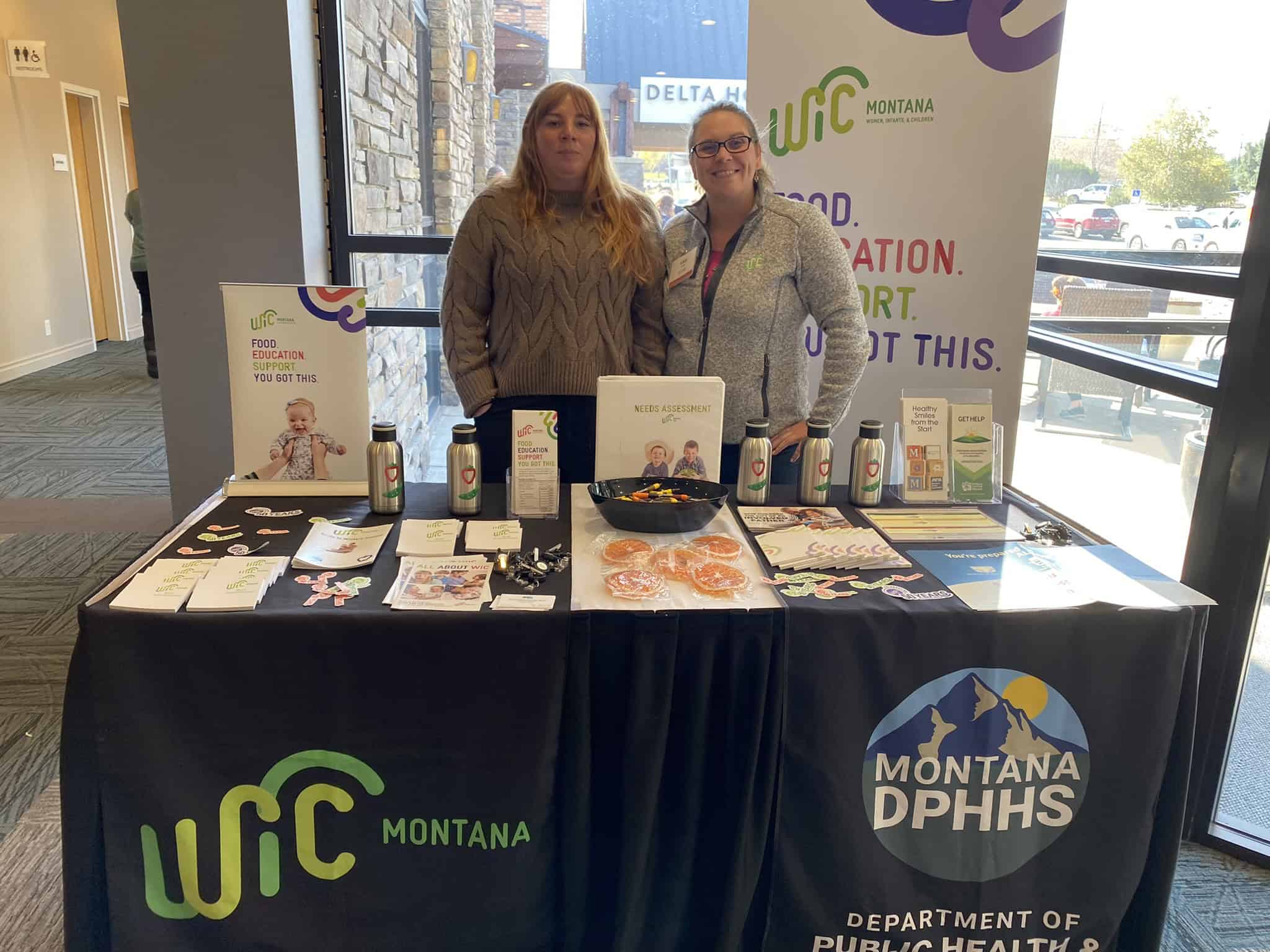
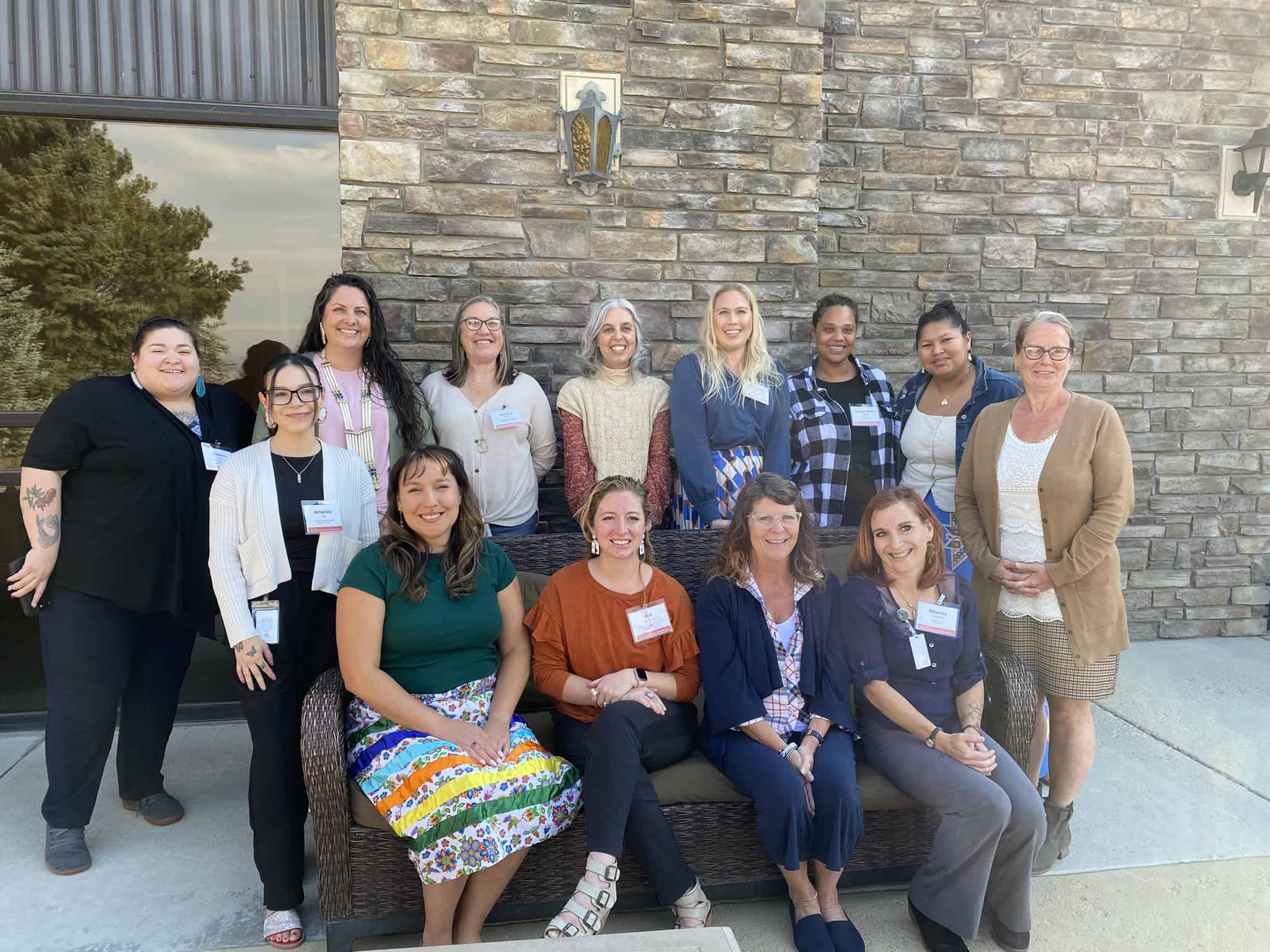
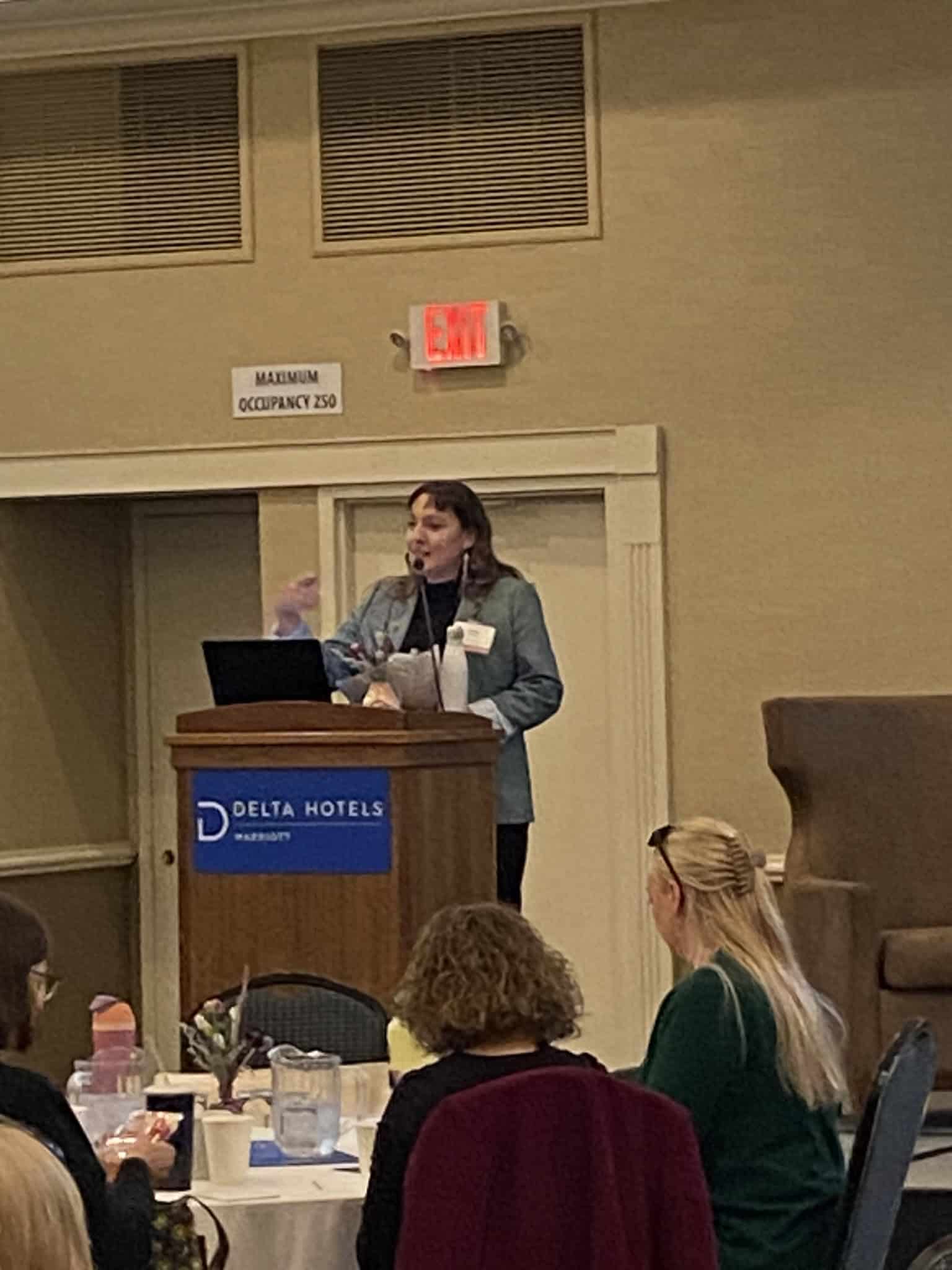
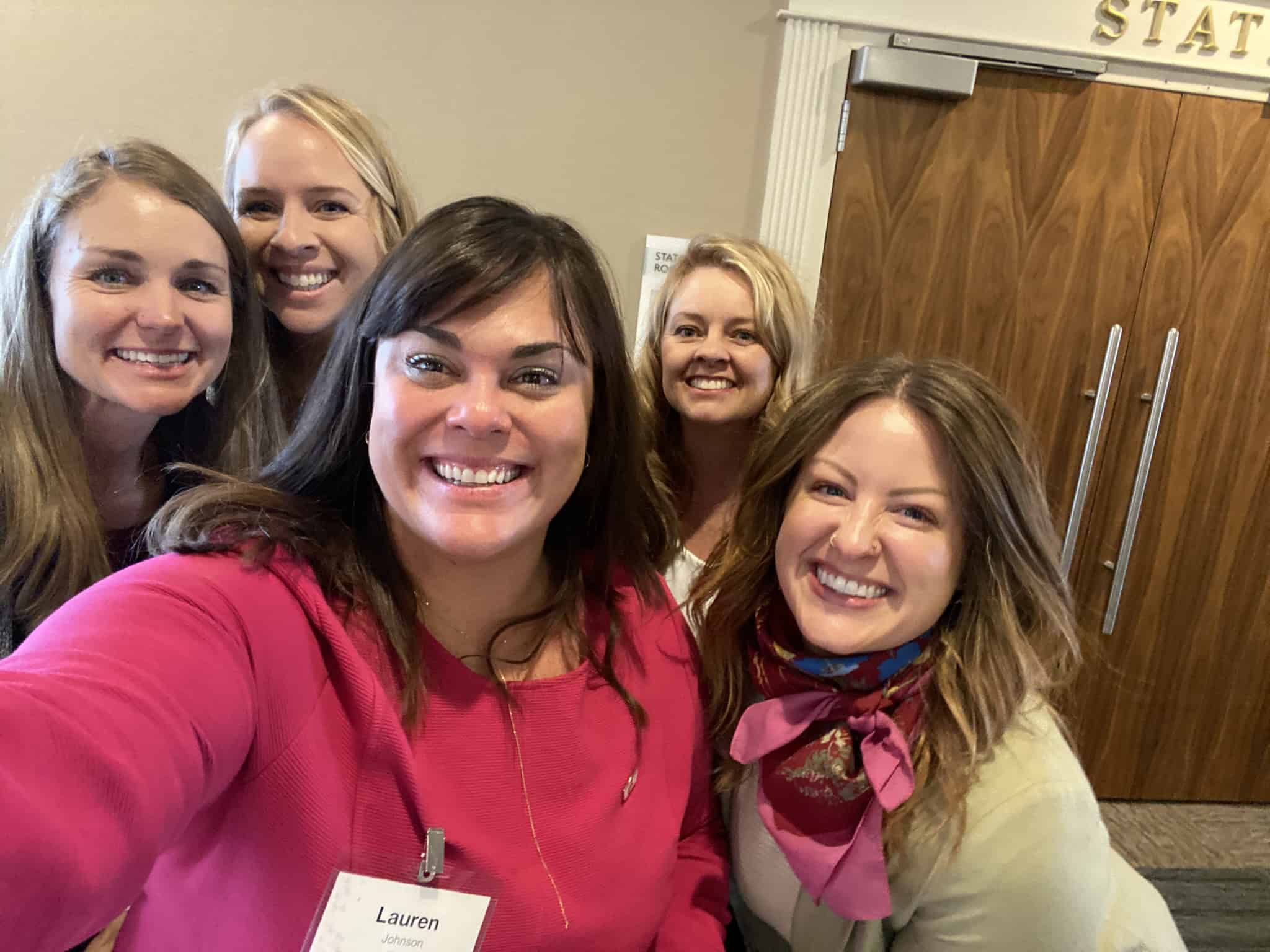
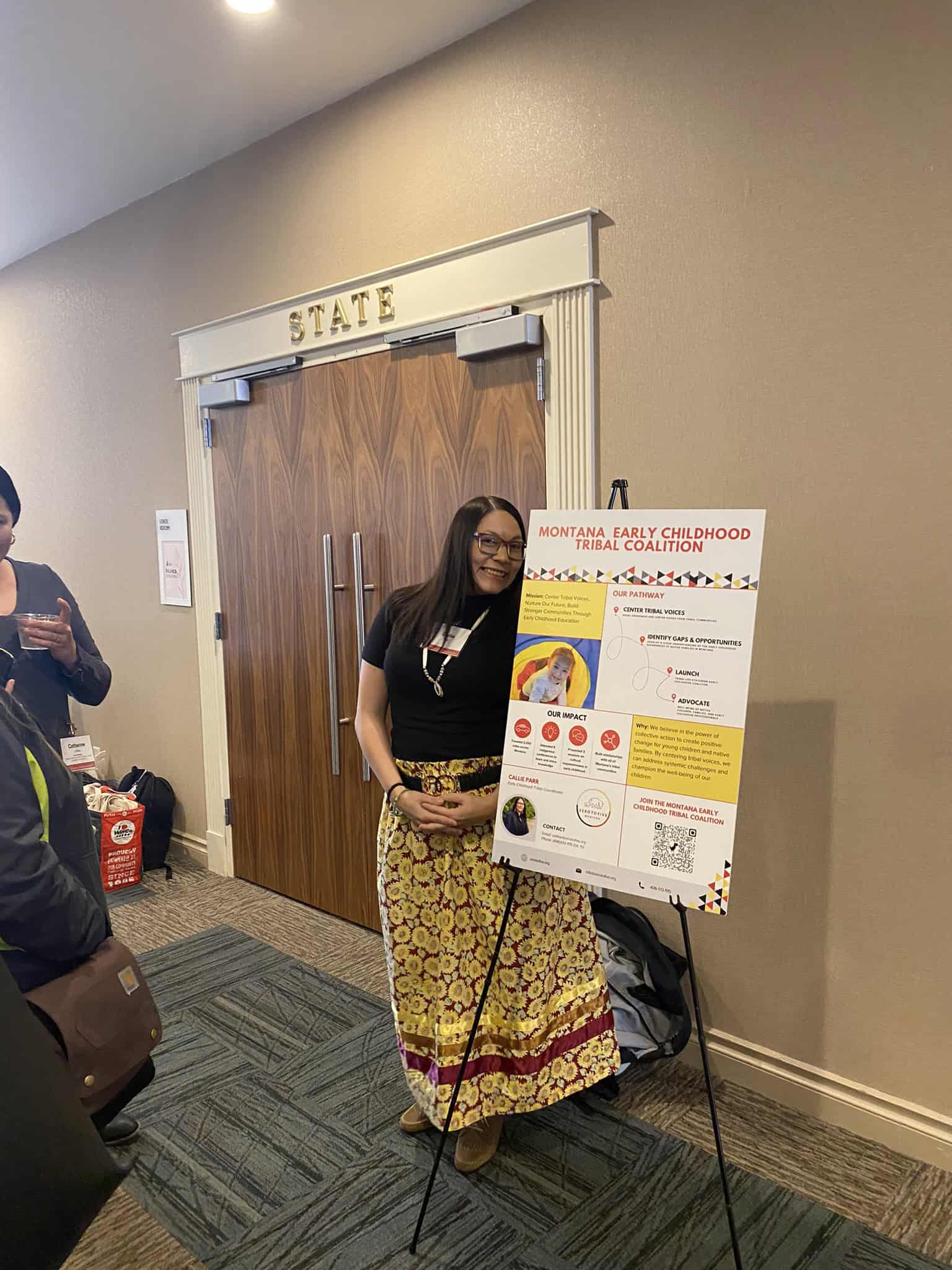
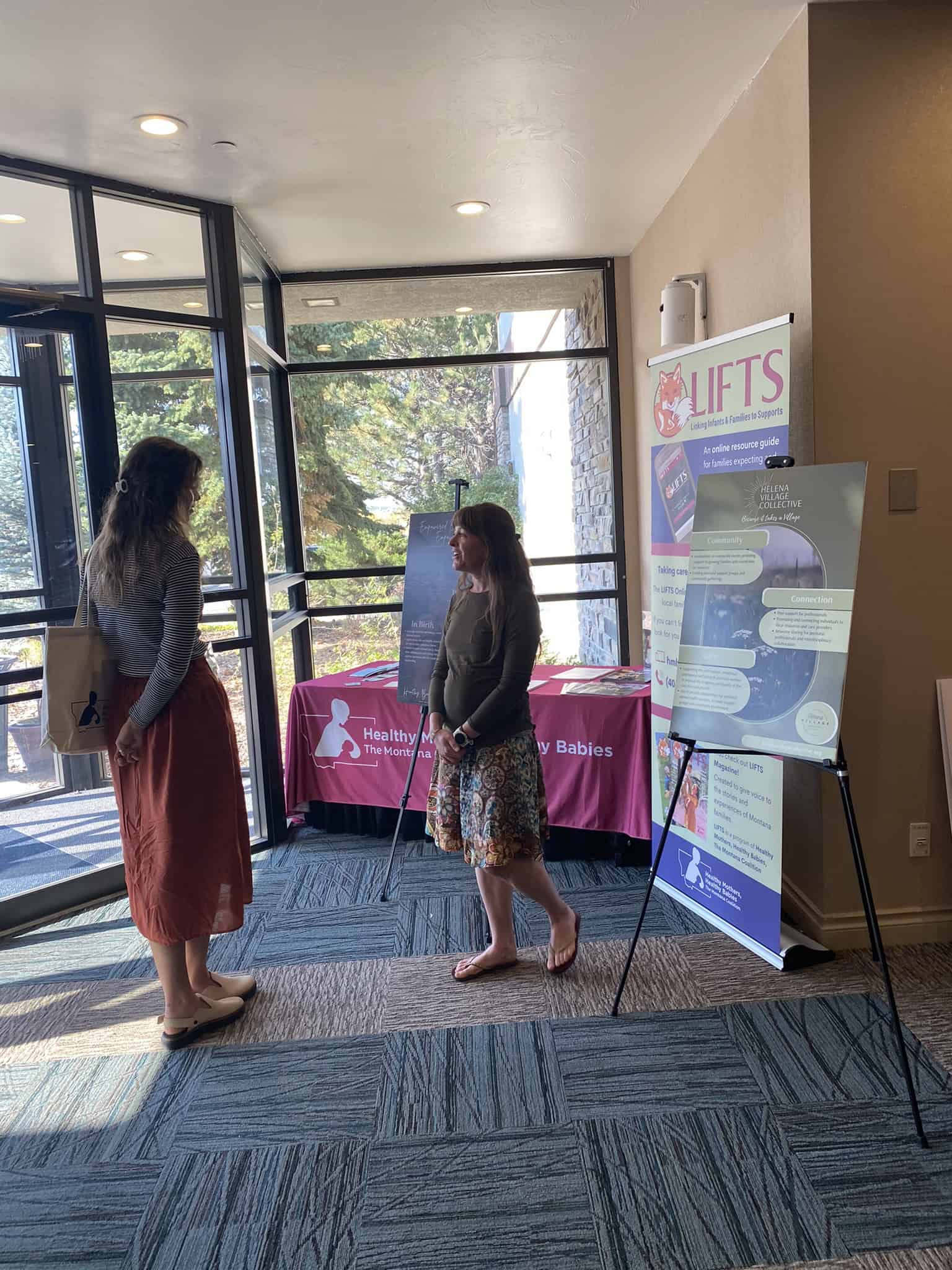
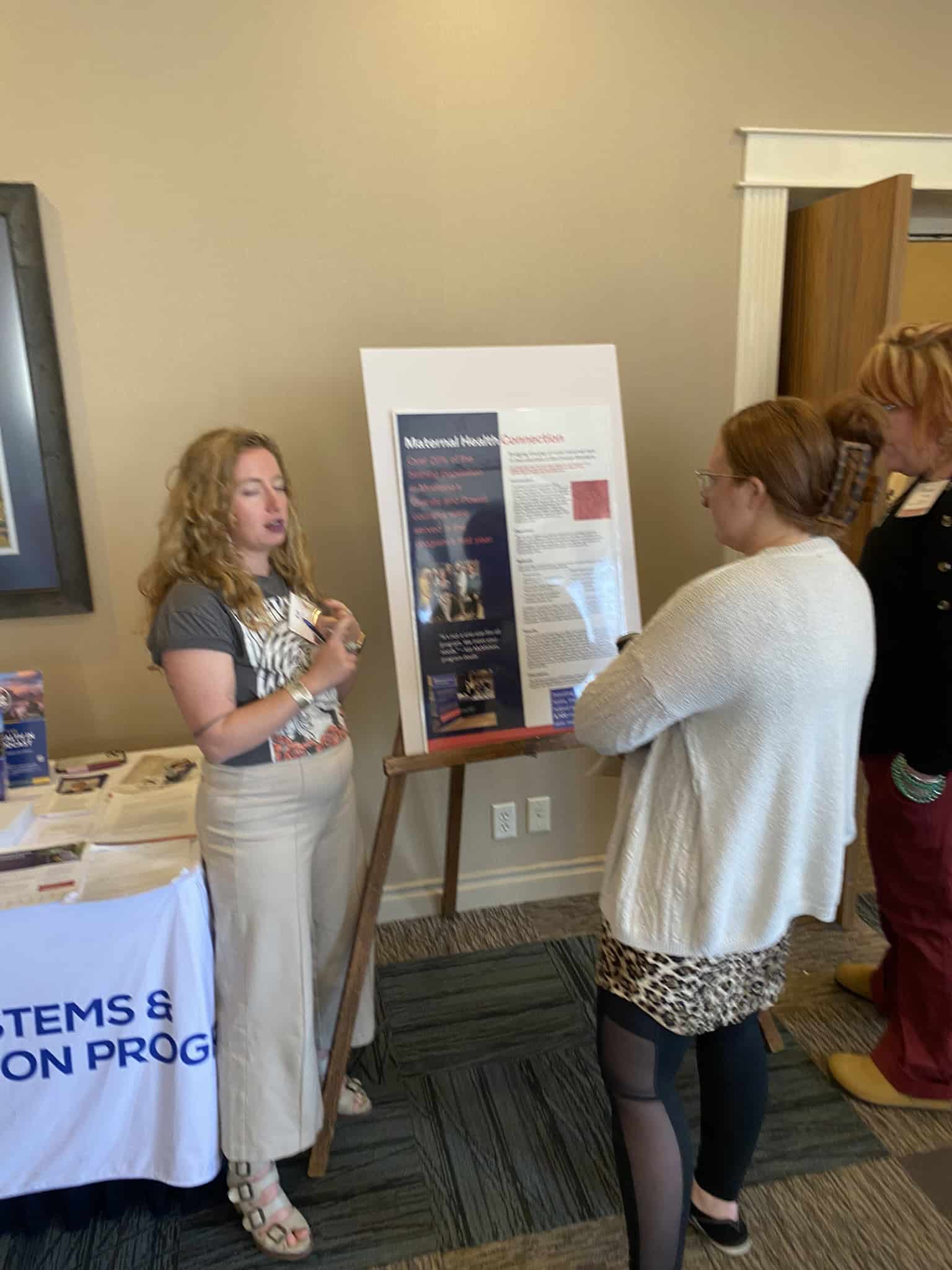
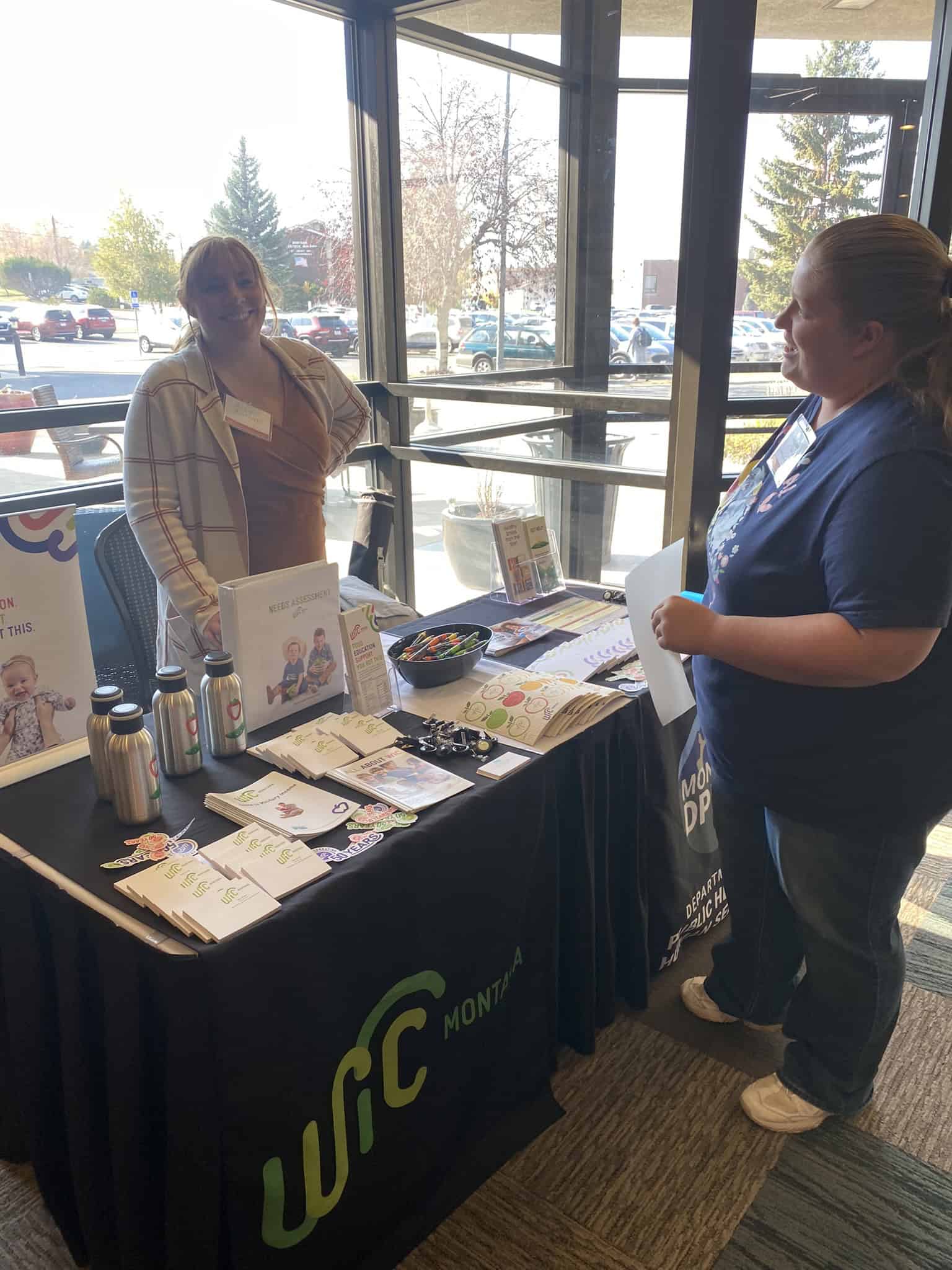
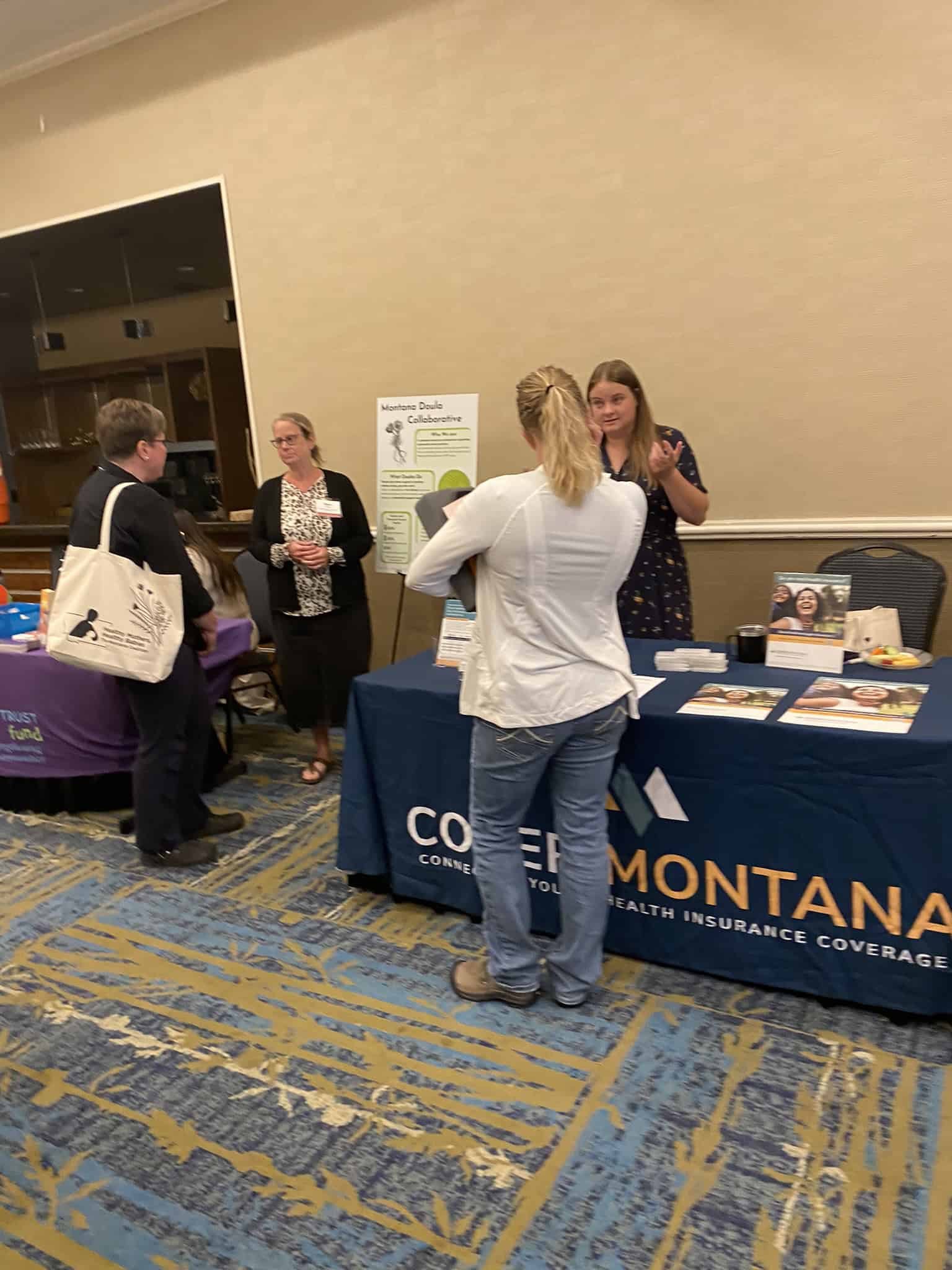
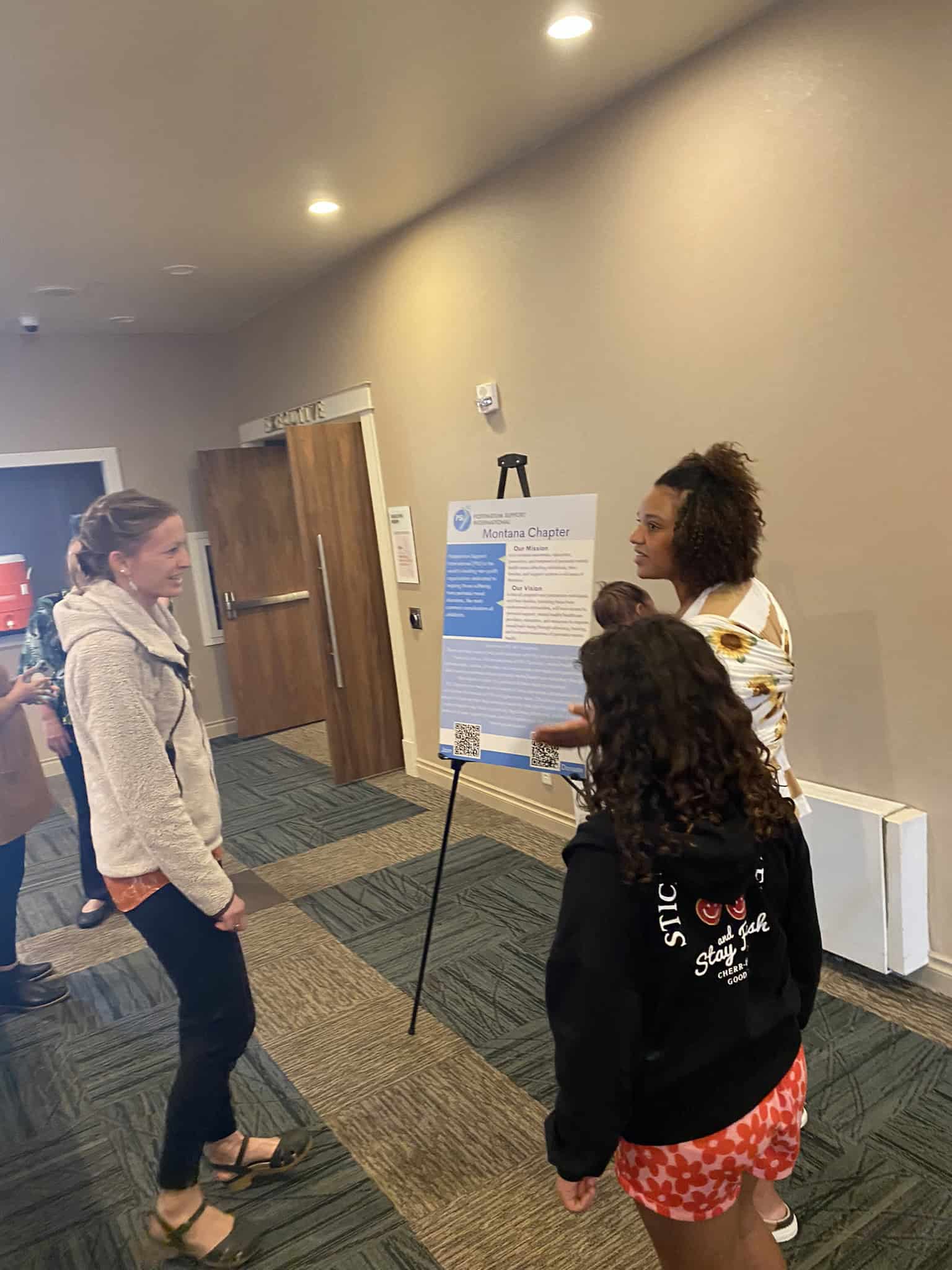
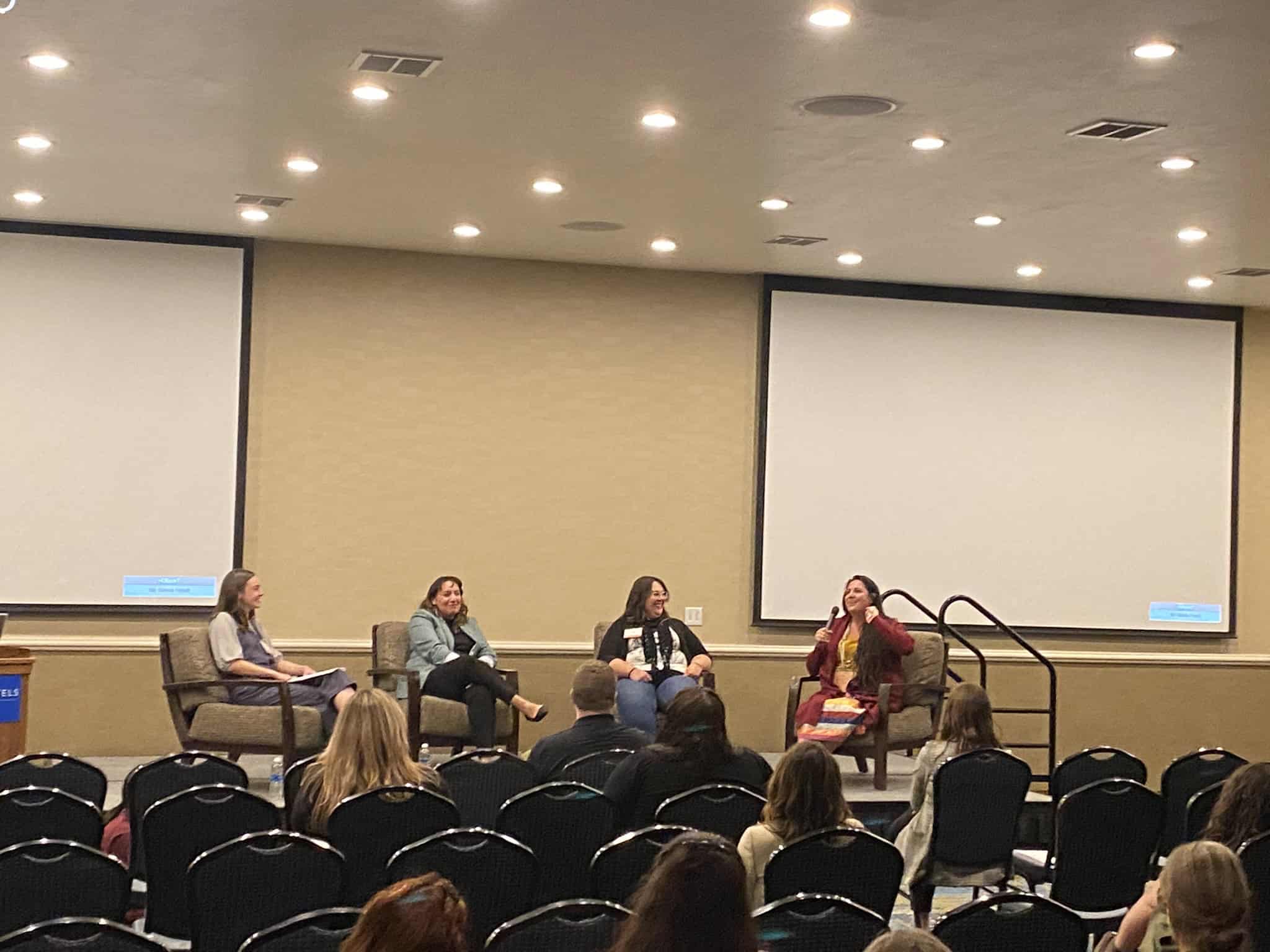
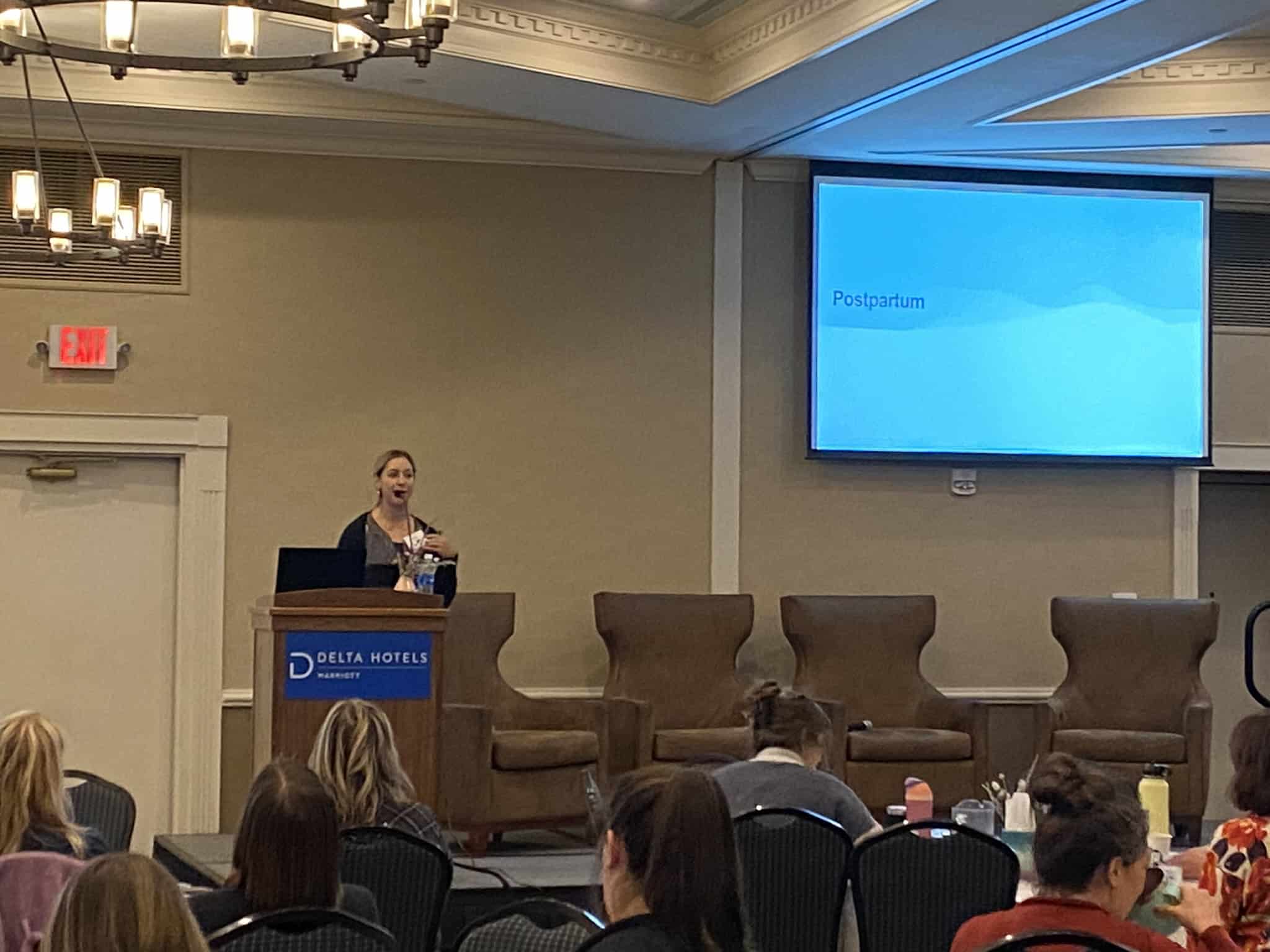
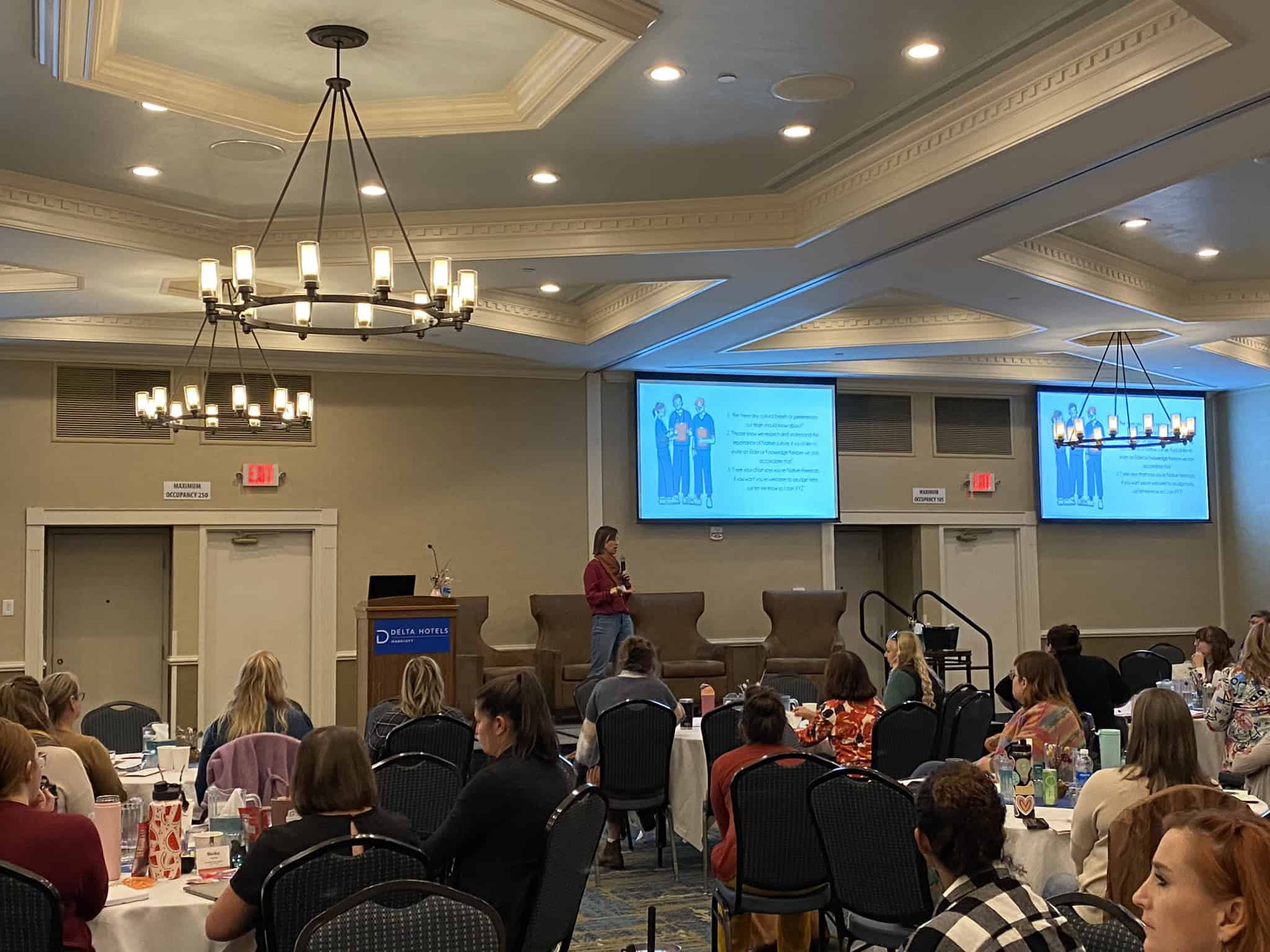
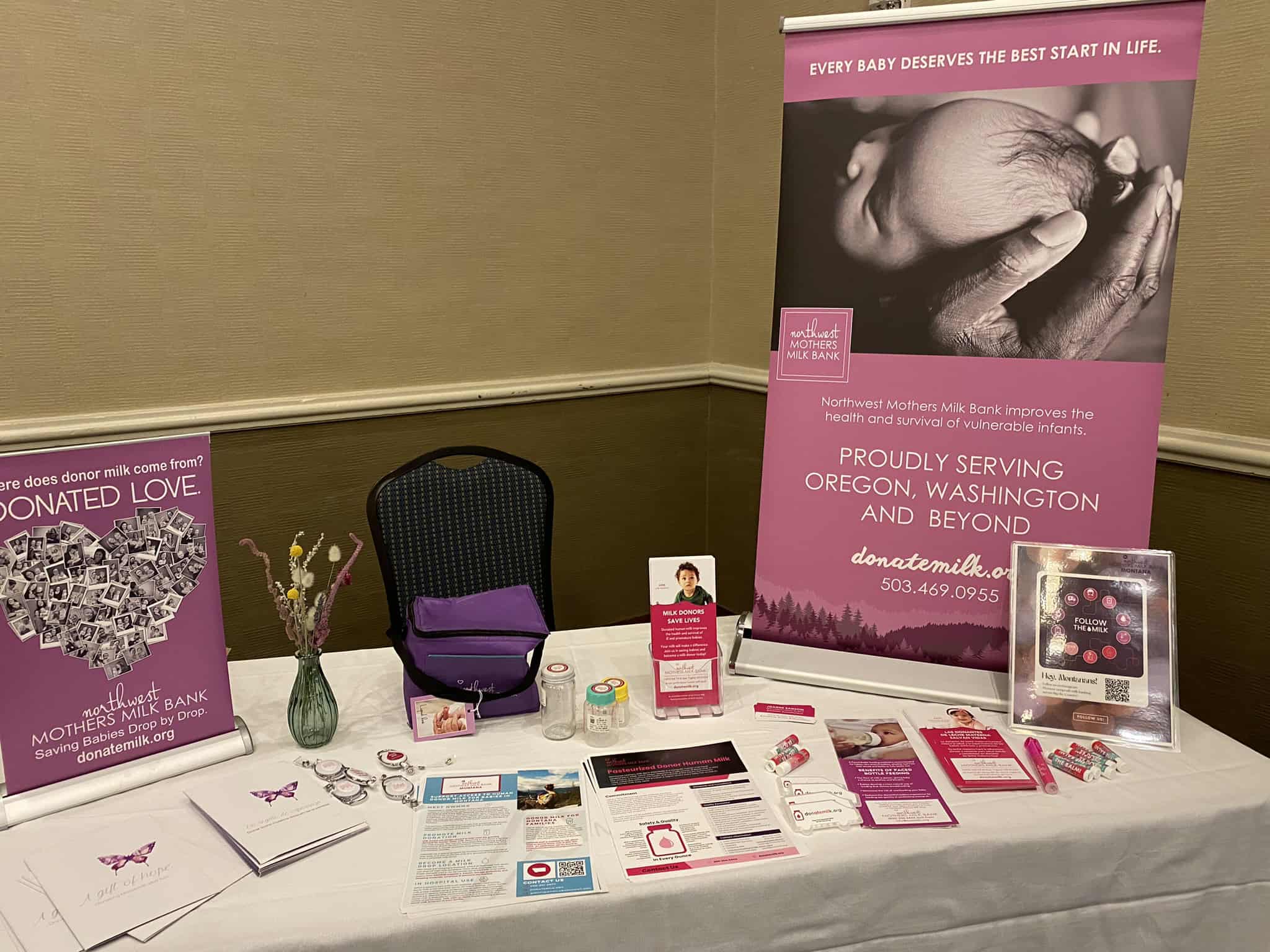
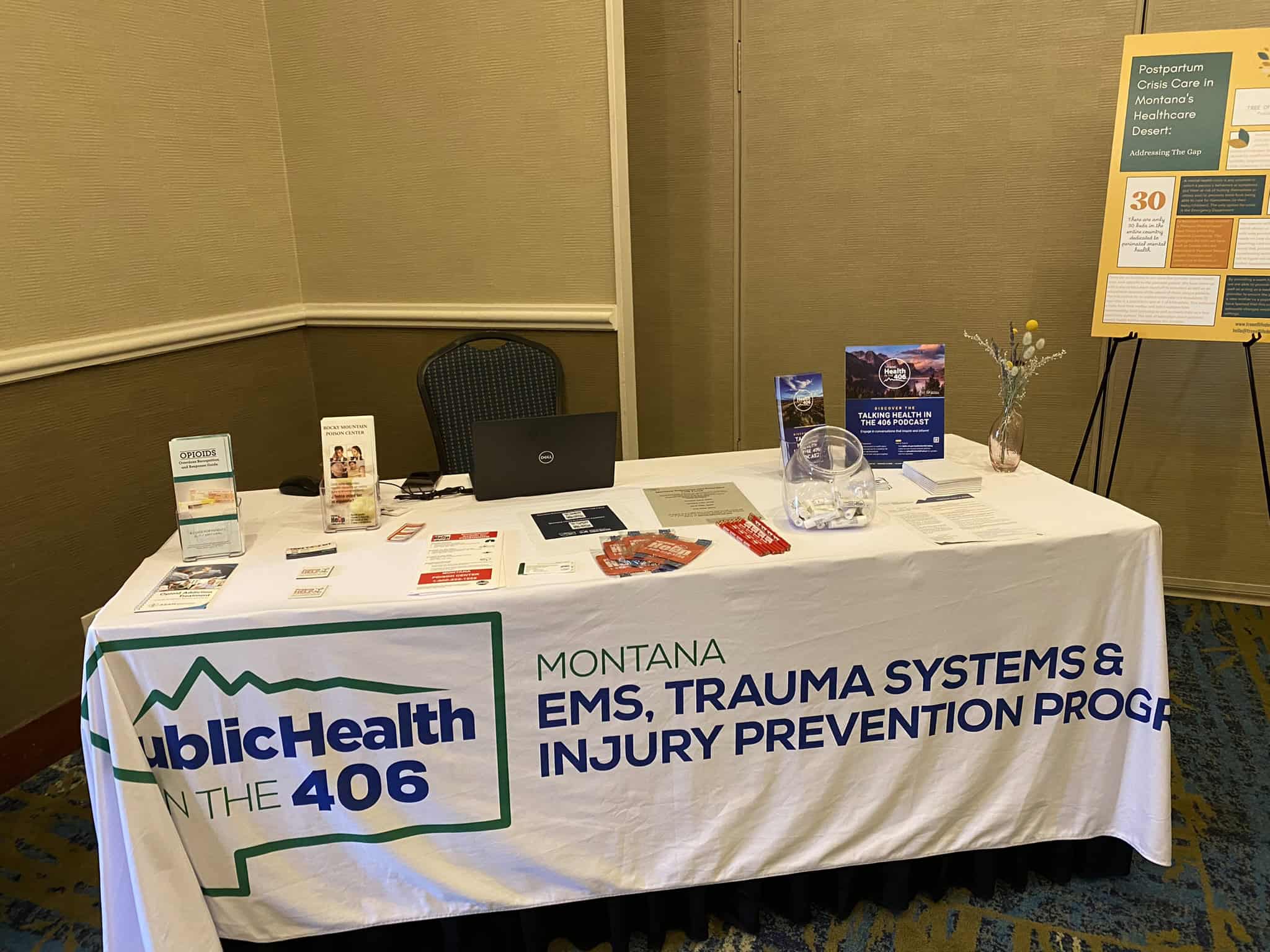
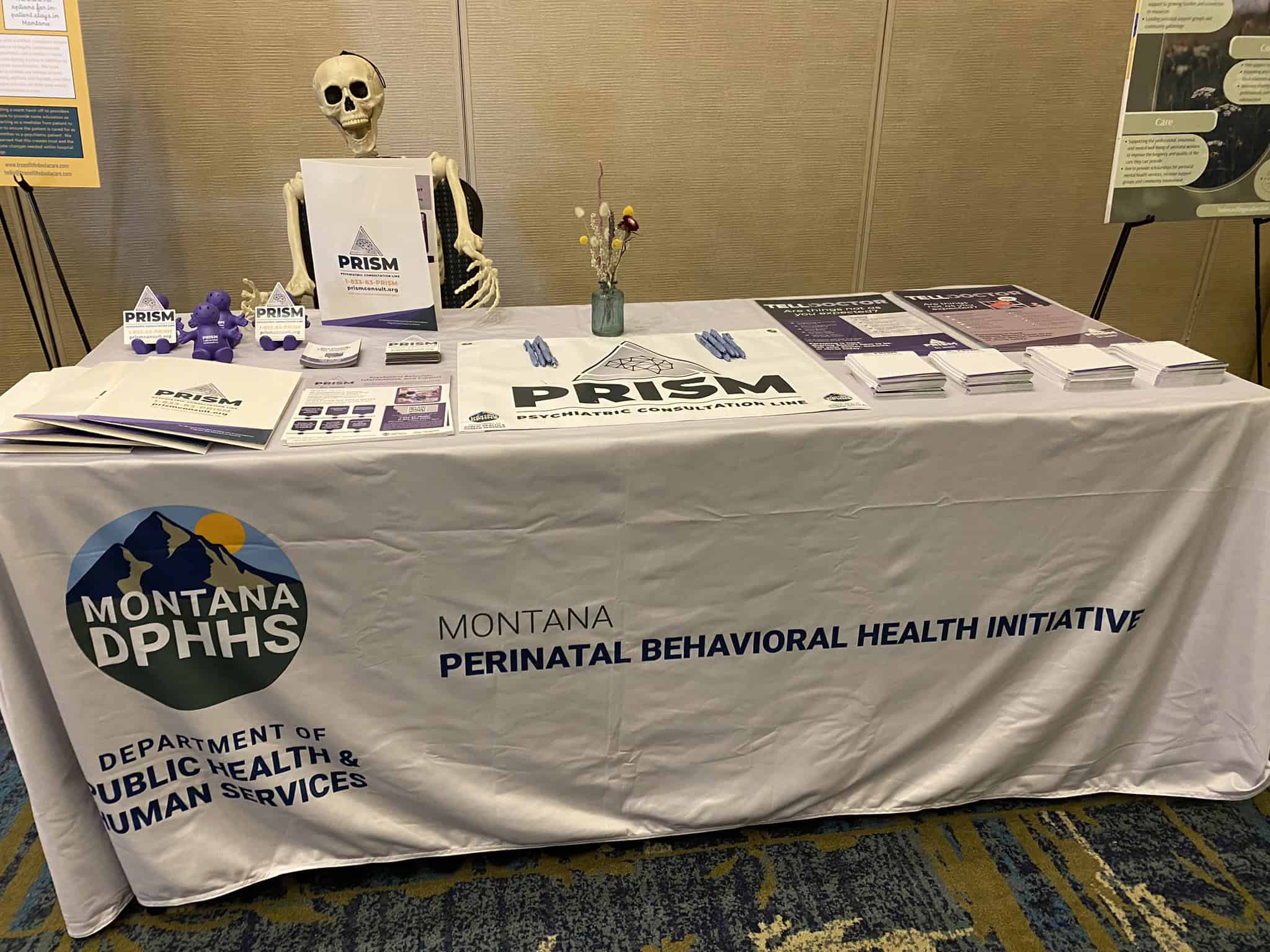

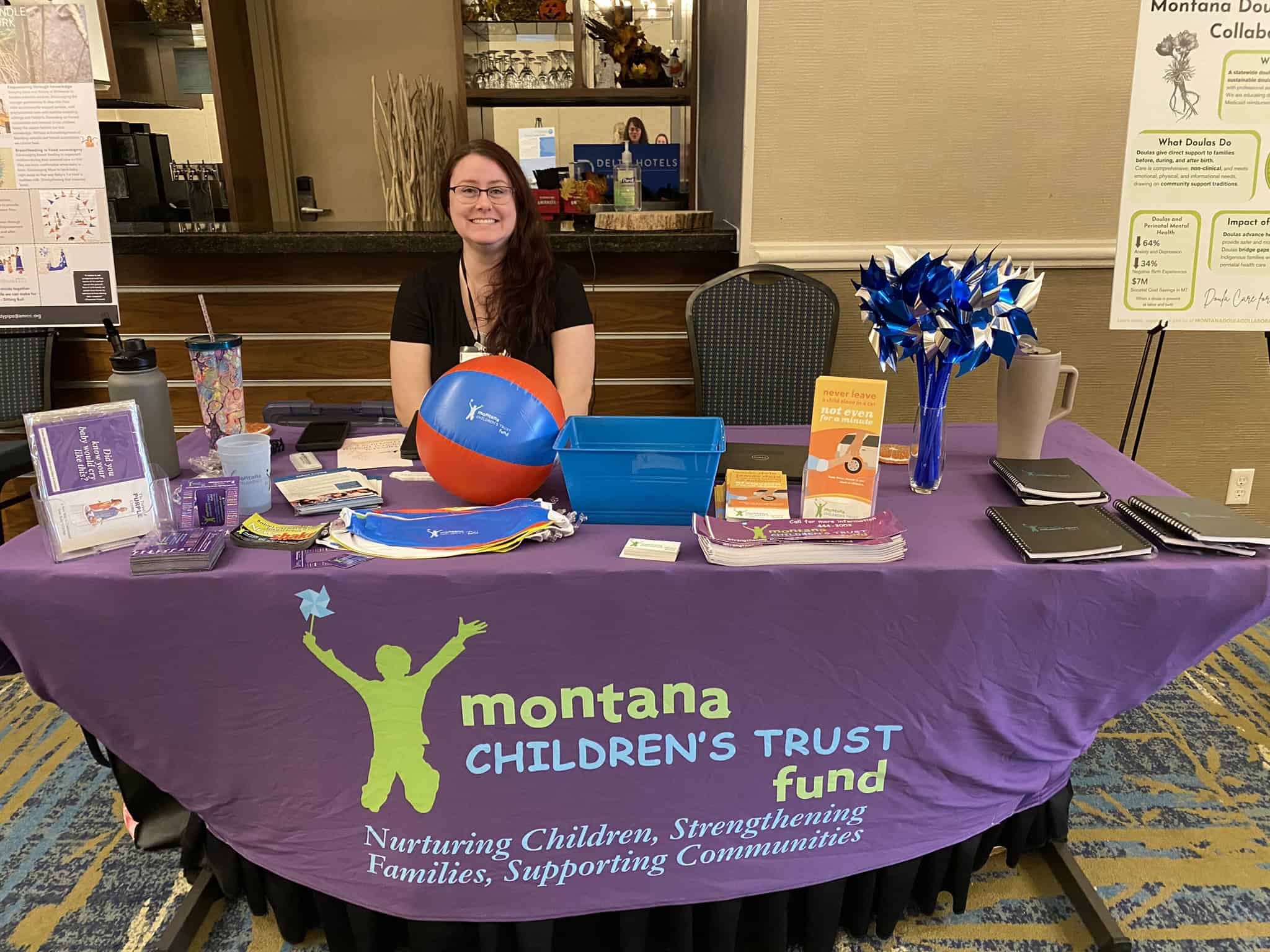
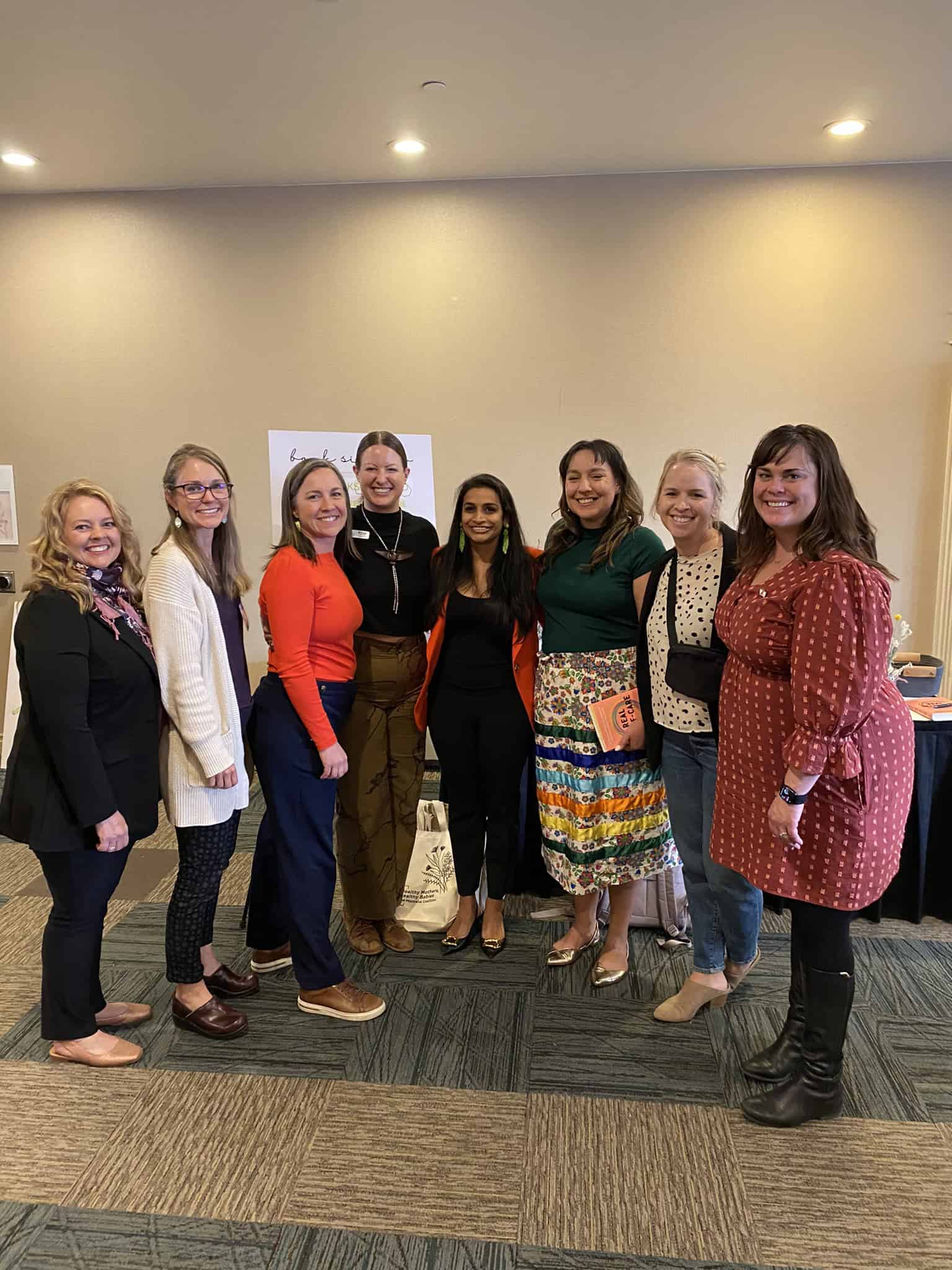
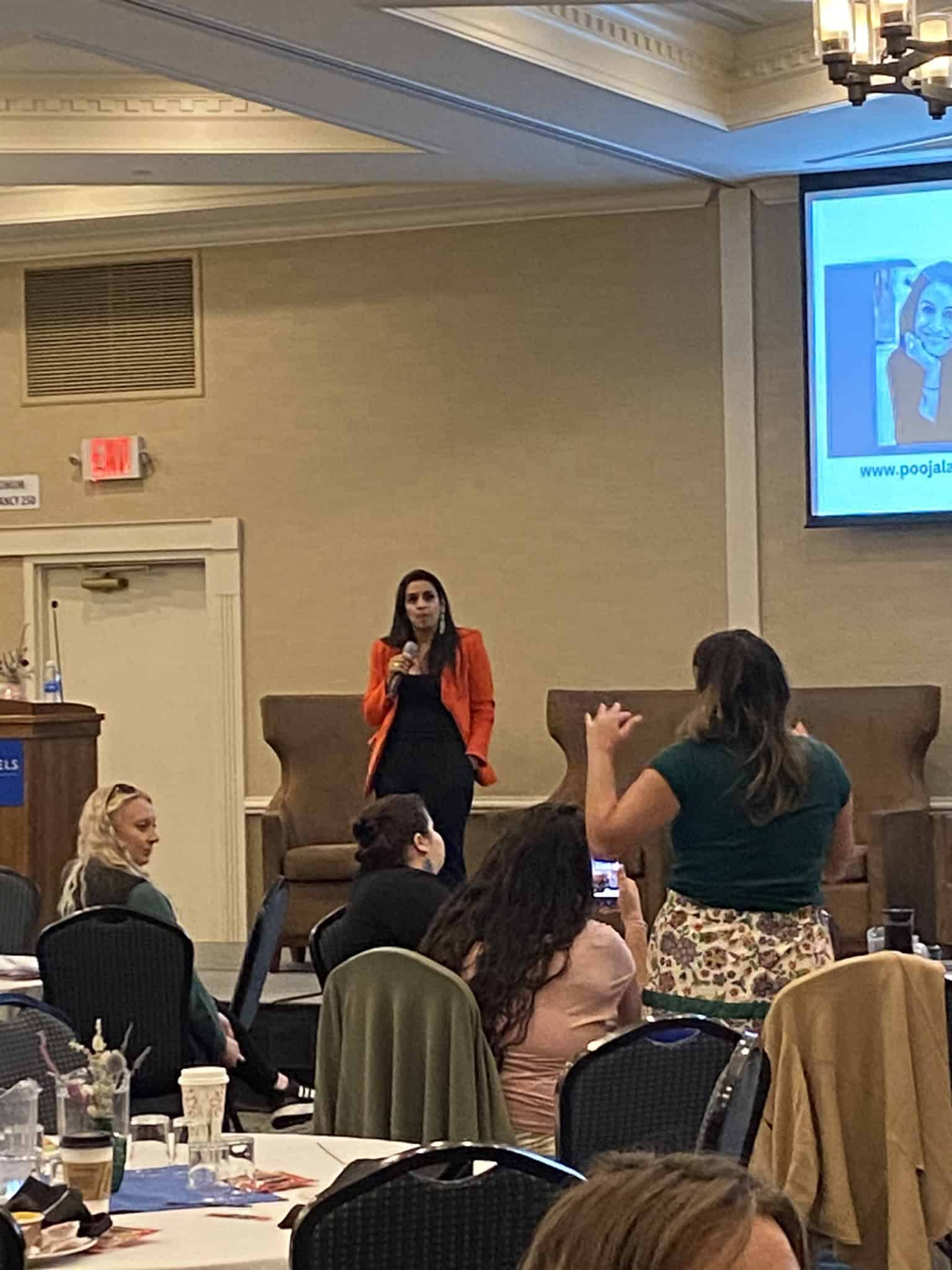
 On Tuesday, HMHB helped host the
 The
The 
Recent Comments